 EN
EN
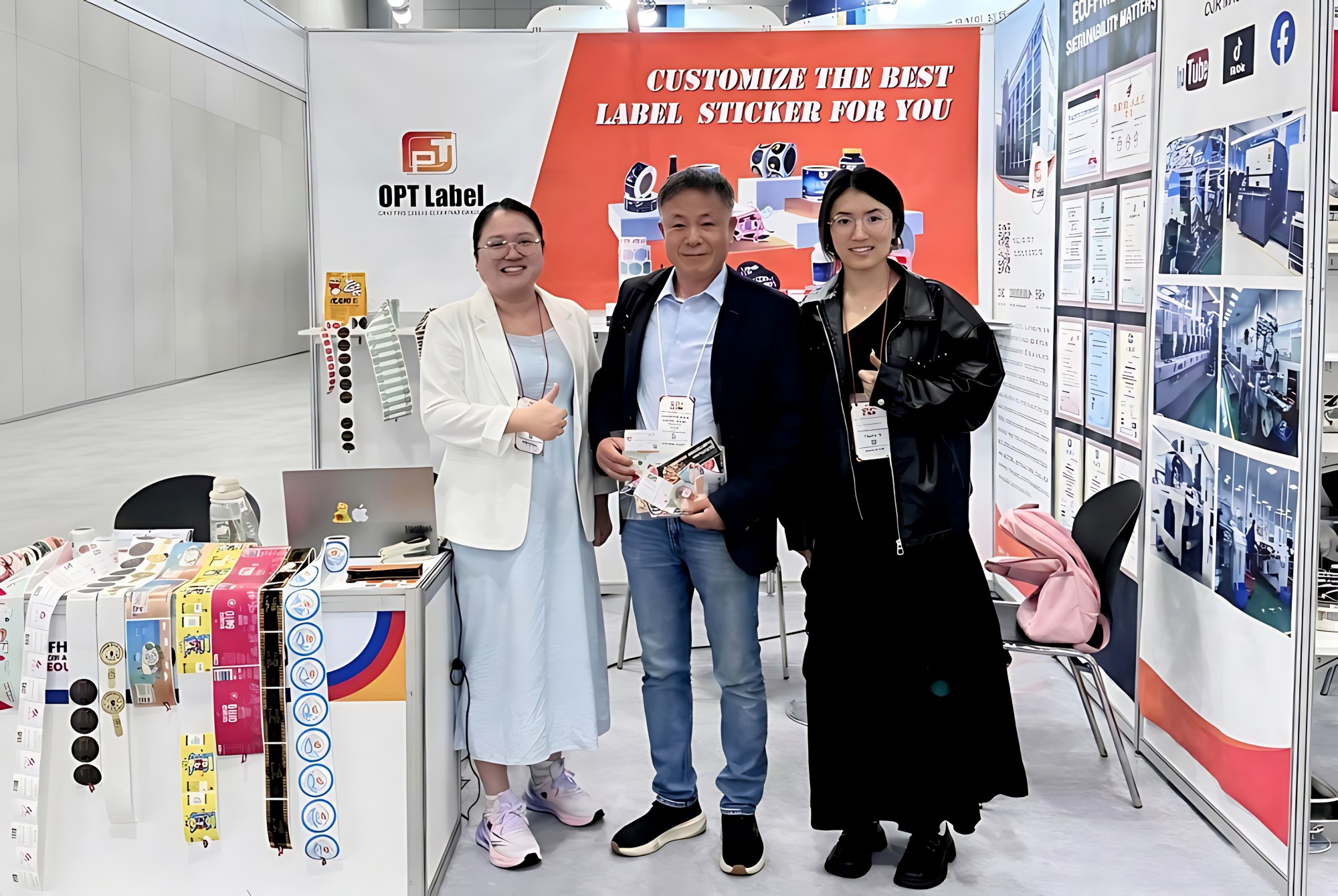
Every trade show features a turning point where casual browsing evolves into sincere business communication. Clear signals mark this shift: conversations grow longer, technical inquiries become more targeted, and business cards change hands far faster than promotional brochures. Held from June 10 to 13 at Seoul’s KINTEX Exhibition Center, Seoul Food 2025 saw OPT hit this key turning point right after opening, and steady high engagement persisted throughout all four exhibition days.
As South Korea’s flagship food industry exhibition, Seoul Food has run continuously since 1983. The event gathers over 1,400 exhibitors and 50,000 professional visitors from across Asia and other global regions. On this busy platform, label manufacturers either fade into the background amid fierce competition or stand out by delivering precise, industry-focused value to food processors, packaging factories and brand owners. OPT firmly took the second path during its participation.
This marked OPT’s first official attendance at Seoul Food, and the team came fully prepared to showcase its professional strengths. Chinese label and packaging manufacturers have long supplied Korea’s food industry via local agents and trading firms, yet very few domestic factories had attended Korean exhibitions to hold face-to-face technical exchanges with local buyers. OPT’s booth carried a clear core message. The brand was ready to communicate directly with Korean food industry purchasers on their home ground, break language barriers during consultations, and compete on reliable product quality rather than low pricing alone.
OPT welcomed more than 500 local Korean clients over four exhibition days, an impressive number worthy of attention. Among more than 1,400 participating brands, first-time foreign exhibitors rarely attract such heavy consistent foot traffic. Positive word of mouth quickly spread across the venue. Attendees learned that this Chinese label supplier delivered Gallus-standard flexographic printing precision and complete HP Indigo digital printing capacity. Most importantly, OPT’s on-site team fully grasped the unique compliance and performance requirements of Korean food packaging products.
Helen, Nancy and Breeze earned consistent praise from all visiting buyers as OPT’s core on-site representatives. Their work extended far beyond basic product introduction, bridging gaps between different manufacturing standards and cultural mindsets alongside language translation. Korean food purchasers maintain extremely strict standards for label technical indicators. Key concerns include stable adhesive performance under freezing temperatures, strong resistance against cooking oils and grease, zero harmful ink migration for direct food contact, and full compliance documents matching Korea’s MFDS regulatory rules. Helen and Nancy responded to all detailed technical questions with profound expertise that surprised every guest. Multiple clients later shared that they had never met a Chinese supplier team capable of explaining Korean food safety regulatory standards with such comprehensive familiarity. This solid professional knowledge was not specially rehearsed only for the exhibition; it accumulated over years of exporting food-grade labels to markets with equally strict compliance rules covering North America, Europe and Japan.
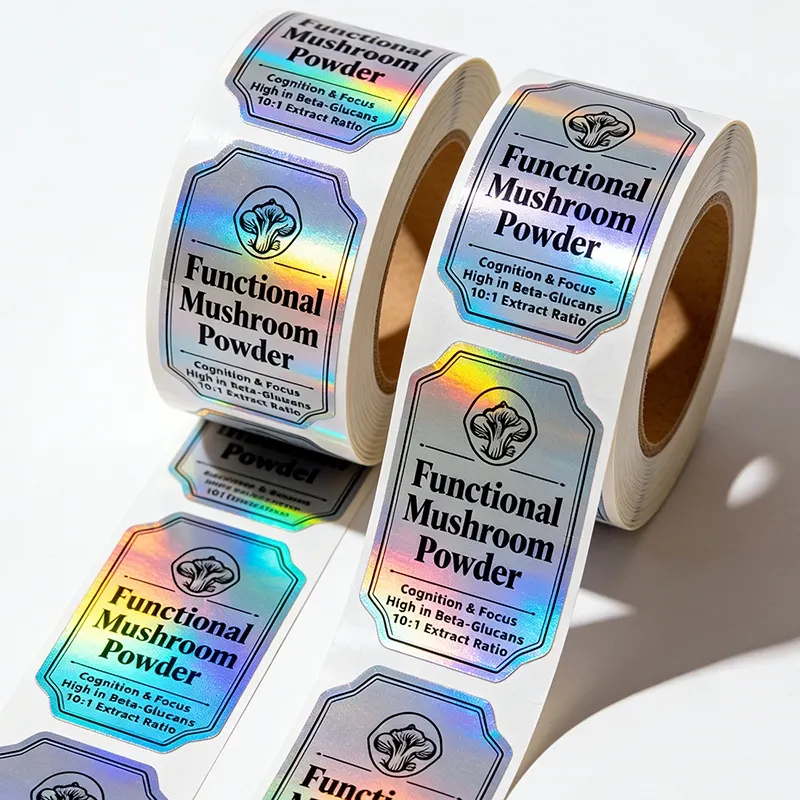
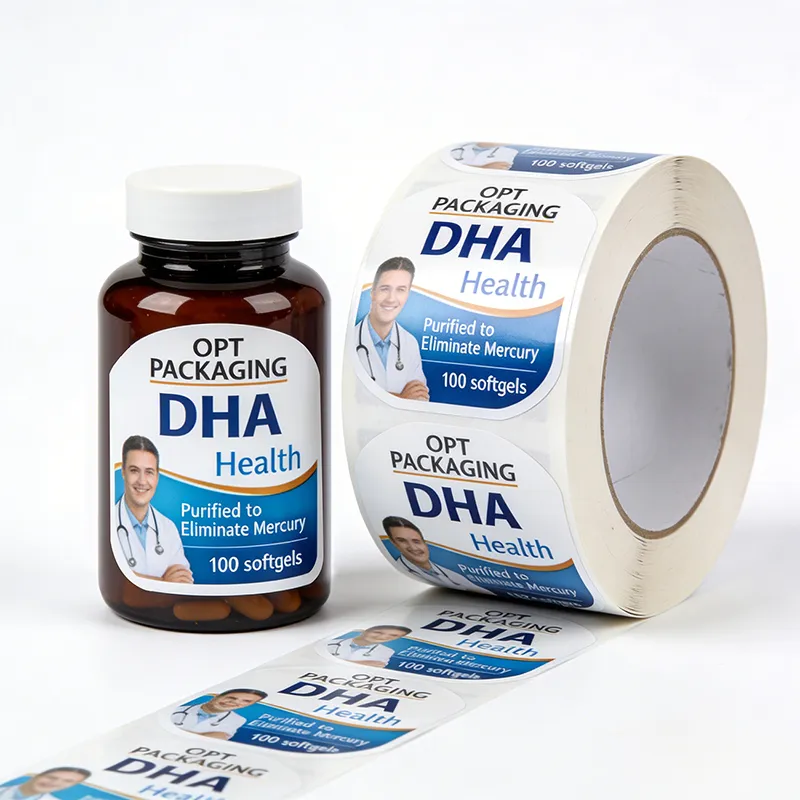
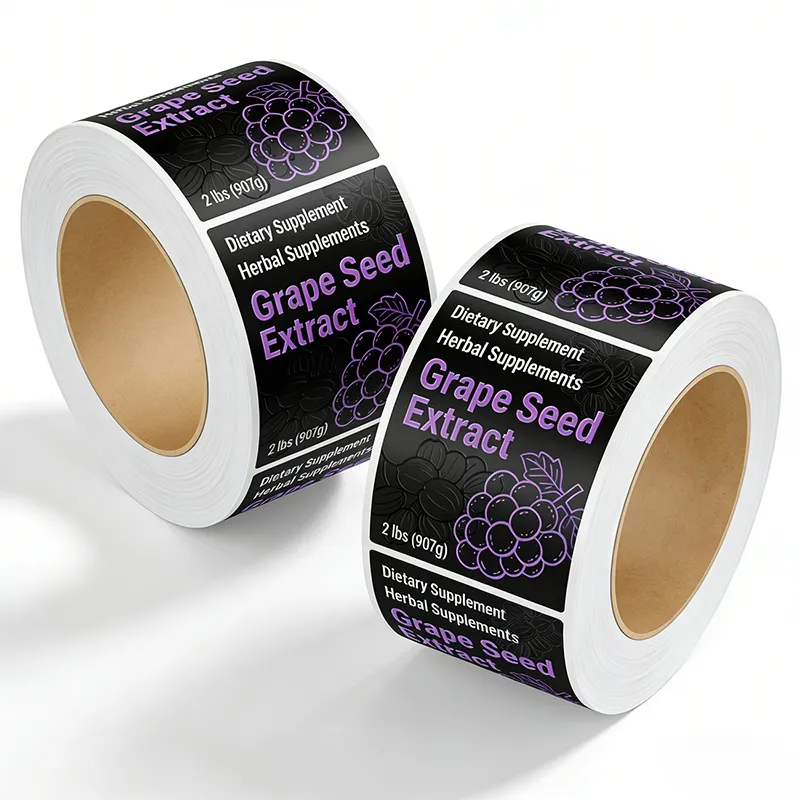
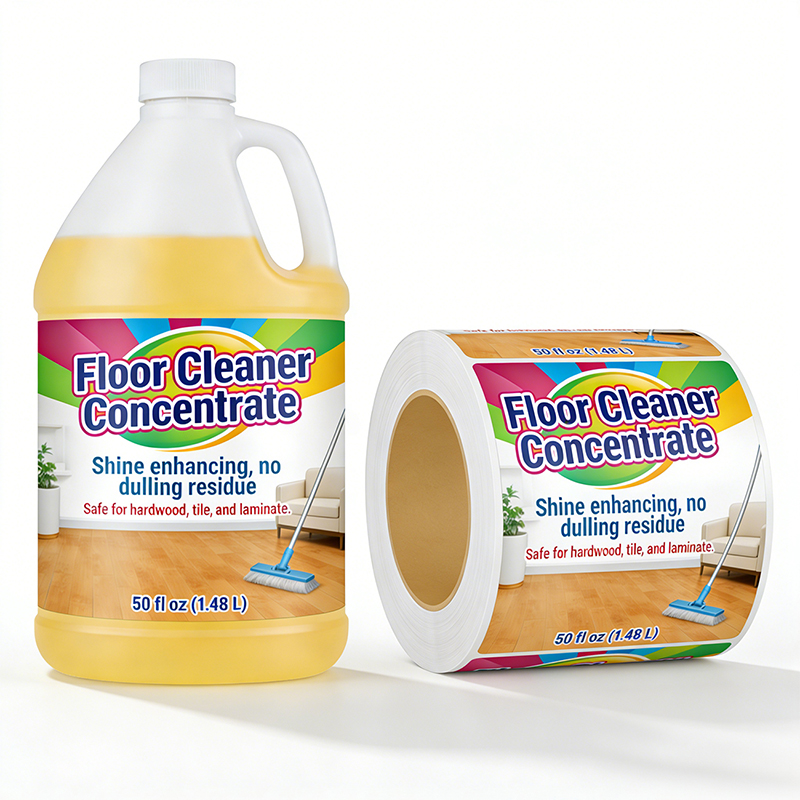
The booth layout prioritized interactive communication over simple static product display. Instead of the conventional wall stacked with endless samples, OPT arranged exhibits following a complete production workflow. Separate zones covered raw material selection, professional printing technology, post-print finishing and strict quality control. Visitors could follow the whole manufacturing process step by step. At each station, Helen or Breeze demonstrated targeted label solutions tailored to Korean food scenarios. These included flexible freezer-grade adhesives functioning stably at minus 20 degrees Celsius for frozen food packaging, oil-proof surface coatings for sauce and condiment bottles, reusable peel-and-seal labels for fresh fruit and vegetable containers, and heat-seal adhesive materials for high-temperature retort ready meal pouches. Every sample carried complete technical parameters that local Korean food engineers require for evaluation, including GSM weight, adhesive category, applicable temperature range, and global food contact certifications such as FDA, EU 10/2011 and MFDS.
Continuous active communication filled every hour of the show, with two-way business card exchanges happening frequently. This mutual information sharing reflected equal, sincere business talks instead of one-sided sales pitches. Korean industry professionals only hand out personal contact information after careful consideration, meaning every exchange represented genuine willingness for future follow-up cooperation. By the closing of the fourth exhibition day, OPT had collected hundreds of business cards, each representing a potential formal cooperation project.
The most outstanding achievement was securing 20 official cooperation agreements on location. These were not non-binding letters of intent or vague promises to follow up later. Clients placed real formal trial orders with fixed product specifications and confirmed delivery timelines. Within the B2B food packaging sector, buyers usually spend up to six months completing multi-round qualification assessments before partnering with new suppliers, making on-site order signing an extremely rare outcome. It proved clients gained full confidence in OPT’s strength at the booth and chose to skip lengthy preliminary evaluation procedures to launch trial production directly.
Various factors contributed to these immediate orders, and one clear common trend emerged from buyer feedback. Many Korean food brands previously sourced Chinese packaging products through local trading intermediaries and suffered severe information asymmetry. They could never receive clear direct replies regarding production lead times, available material replacements or standardized solutions for quality non-compliance incidents. Face-to-face consultations with Helen, Nancy and Breeze eliminated all such communication barriers within minutes. One food packaging procurement manager summed up his experience frankly. He had imported Chinese packaging products through middlemen for three years, and OPT was the first supplier that could clearly explain full handling protocols for batches failing microbiology or ink migration safety testing.
Although Seoul Food 2025 was OPT’s debut Korean food exhibition, the brand delivered the maturity of an experienced established manufacturer. The fully equipped booth, highly skilled on-site team and firm commitment set the tone for all exchanges. OPT firmly believes Korean food brands deserve direct access to professional manufacturing technical support, the same convenient transparent service enjoyed by counterparts in North America and Europe. The over 500 visiting clients and 20 newly signed partners fully validated this core business belief.
New inquiries and business introductions continued flowing until closing time. When exhibition hall lights were switched off on June 13, OPT delivered a clear message to the Korean food packaging market. This booth appearance was not a one-time promotional activity, but the official start of OPT’s long-term localized market presence in South Korea.