 EN
EN
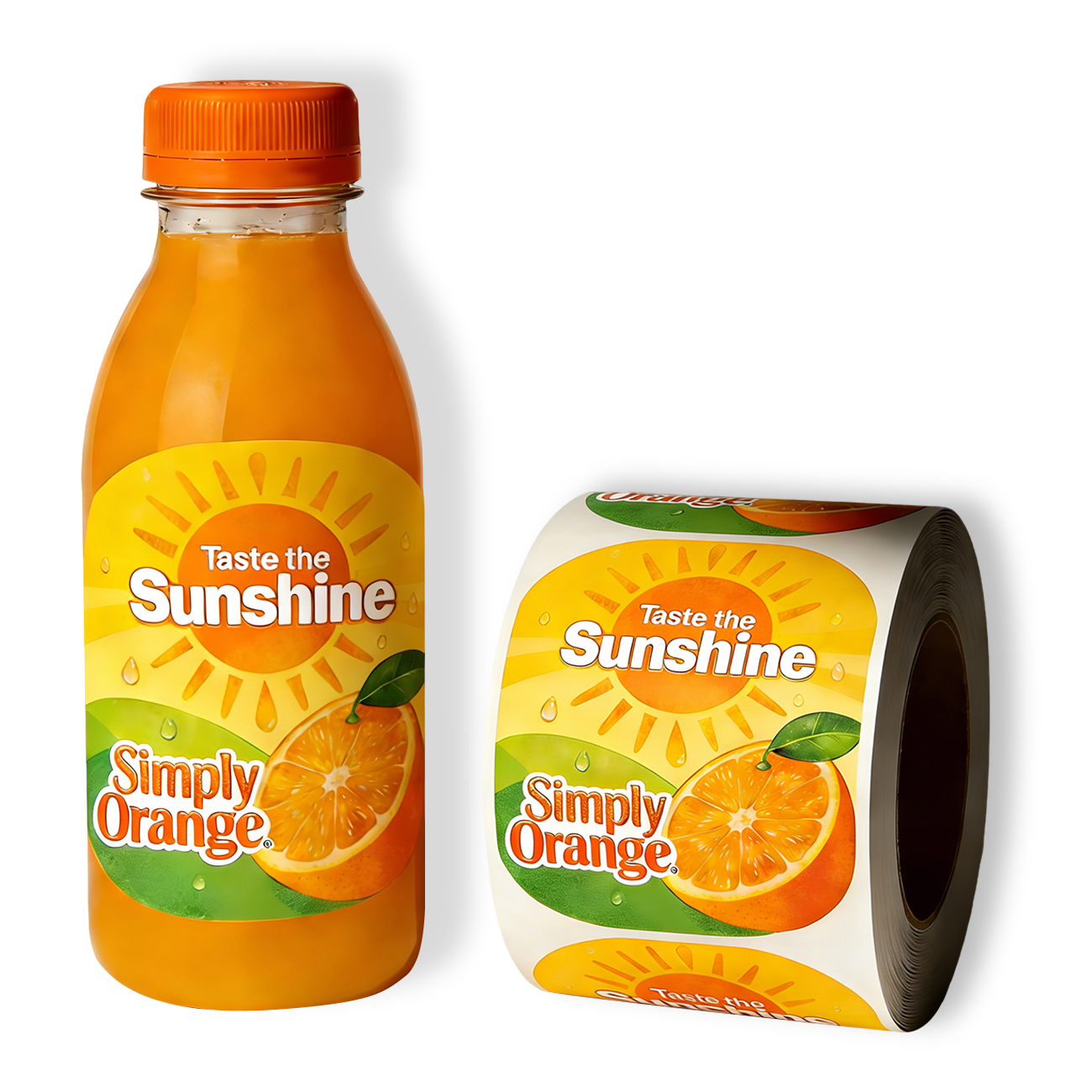
A bottle label exposed to moisture, temperature swings, and freezing conditions faces extreme durability challenges that standard labels simply cannot withstand. In frozen food distribution, pharmaceutical storage, and beverage production, label failure leads to lost product identification, regulatory non-compliance, and damaged brand reputation. Understanding what makes a bottle label truly durable in these harsh environments is essential for manufacturers and distributors who depend on reliable labeling systems.
A bottle label must perform across three interconnected dimensions: adhesive chemistry that resists moisture infiltration, substrate material that maintains integrity through thermal stress, and surface finish that prevents peeling, cracking, and illegibility. Each element works together to ensure that a bottle label remains securely attached, readable, and functional throughout the product lifecycle, from manufacturing through end-user storage.
Adhesive Technology and Moisture Resistance
Why Standard Adhesives Fail in Cold and Wet Conditions
Conventional pressure-sensitive adhesives used in many basic labels lose their bonding strength when exposed to prolonged moisture. Water molecules penetrate standard adhesive formulations, creating a barrier between the label and the bottle surface, causing the bottle label to peel or curl at edges. In frozen environments, adhesive brittleness increases as temperatures drop below freezing, making the bond mechanically fragile and prone to mechanical stress during handling and transport.
A bottle label designed for cold storage requires specialized acrylic or synthetic rubber-based adhesives engineered to maintain elasticity and grip even as temperature reaches minus 20 degrees Celsius or lower. These formulations resist water absorption and retain their tacky properties across wide temperature ranges, ensuring that your bottle label stays firmly bonded regardless of environmental fluctuations. The right adhesive chemistry is the foundation of any bottle label system intended for harsh storage conditions.
Water-Resistant Adhesive Formulations
Water-resistant adhesive technology uses cross-linked polymer chains that repel moisture rather than absorb it. When a bottle label incorporates this advanced adhesive system, the label surface creates a protective barrier that prevents condensation and frost from weakening the bond. Industrial-grade adhesives for frozen applications often include hydrophobic additives that actively push moisture away from the adhesive layer, maintaining the integrity of the bottle label even during rapid temperature changes or high-humidity environments.
Temperature-stable adhesives maintain consistent viscosity across the full operating range of your bottle label application. Rather than becoming brittle in cold storage or overly soft in warmer conditions, these formulations preserve their molecular structure through thermal cycling. This consistency ensures that a bottle label applied at room temperature will not separate or lose adhesive strength when the labeled bottle is moved into a freezer, creating a reliable and long-lasting label performance.
Material Composition and Substrate Selection
Substrate Materials That Resist Thermal Stress
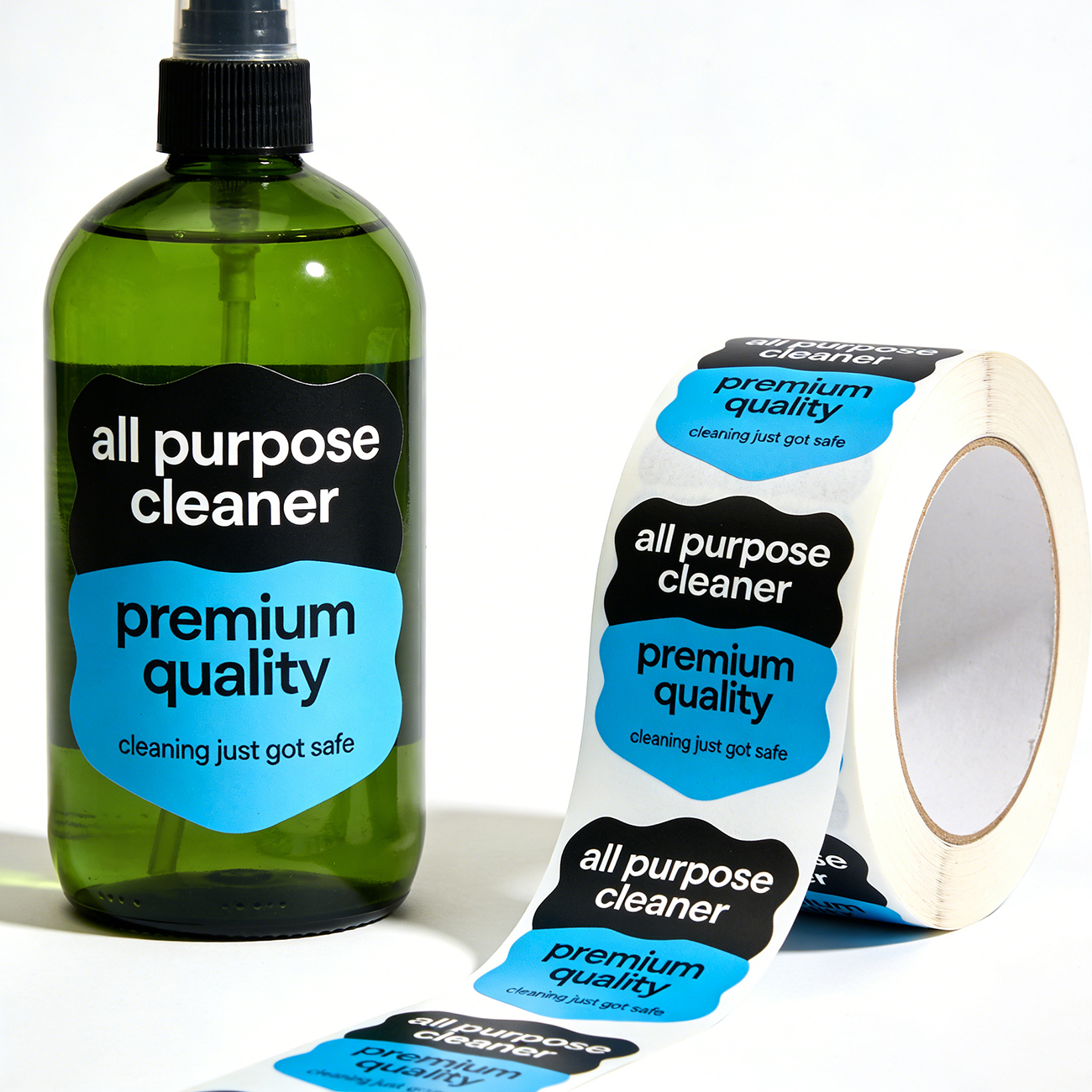
The material composition of a bottle label directly determines how well it withstands extreme temperature swings. Polyester-based substrates are significantly more durable than paper in cold and moisture-rich environments because polyester fibers do not absorb water and maintain their structural integrity across extreme temperature ranges. A bottle label made from high-grade polyester resists cracking, embrittlement, and delamination that plague paper labels in freezer conditions.
Polypropylene and vinyl-coated materials offer another layer of durability for a bottle label intended for extended cold storage. These synthetic substrates are inherently hydrophobic, meaning they actively repel water rather than absorb it. When condensation forms on a bottle label during temperature cycling, the water beads up and rolls off rather than soaking into the material, preserving print quality and adhesive effectiveness. A bottle label manufactured from these premium materials can handle repeated freeze-thaw cycles without deterioration.
Thickness and Lamination for Enhanced Protection
A bottle label with adequate thickness provides structural integrity that thinner materials cannot match. Labels ranging from 60 to 100 microns thick resist curling, creasing, and mechanical damage during handling and machinery processing. Thicker substrates also reduce the likelihood that cold temperatures will make the bottle label brittle and prone to chipping or tearing at edges during application or removal.
Lamination adds another critical layer of protection to a durable bottle label. A protective laminate seal prevents direct moisture contact with the substrate and printed surface, creating a waterproof barrier that extends label lifespan significantly. Many food-grade and pharmaceutical-grade bottle label products incorporate ultra-clear or matte lamination that not only protects against moisture and temperature extremes but also enhances visual appearance and barcode readability even after extended freezer storage.
Print Quality and Finish Durability
Ink and Print Technology for Moisture-Prone Environments
Print quality on a bottle label deteriorates rapidly if the wrong ink formulation is used. Industrial-grade inks designed for cold storage applications use solvent-based or UV-cured chemistry that bonds permanently to the substrate rather than sitting on the surface. When a bottle label uses standard offset or flexographic inks without proper adhesion, moisture penetration causes ink to bleed, fade, or separate from the substrate material.
Digital printing technology has revolutionized bottle label production for moisture-sensitive applications. High-resolution inkjet systems apply pigment-based inks that cure instantly and resist water infiltration, ensuring that critical information on your bottle label—regulatory text, ingredient lists, barcodes, and branding—remains clear and legible throughout cold storage and distribution. The permanence of these inks means that a bottle label retains full functionality even after months in frozen conditions.
Varnishes and Protective Coatings
Application of a protective varnish transforms a standard bottle label into a moisture-resistant product. Clear gloss or matte varnish creates a sealed surface that blocks water penetration while maintaining print visibility and barcode scannability. This additional coating layer is particularly valuable for food-grade labeling, where regulatory compliance requires that product information remain permanently affixed and readable throughout the supply chain.
Anti-static and anti-slip coatings add functional benefits to premium bottle label products designed for industrial environments. Anti-static finishes prevent label curling caused by electrostatic charge during machinery processing, while anti-slip surfaces ensure that labels do not slide or shift position during automated application and handling. These specialized finishes demonstrate that a bottle label engineered for cold and moisture conditions involves multiple layers of technical sophistication beyond basic adhesive and substrate selection.
FAQ
Why does a standard bottle label fail in freezer conditions?
Standard bottle labels fail in freezer conditions because conventional adhesives lose flexibility and grip at sub-zero temperatures, while paper substrates become brittle and absorb moisture from condensation and frost. The combination of thermal stress and water absorption causes the label to peel, curl, crack, and separate from the bottle surface, making product identification impossible and violating regulatory requirements for frozen food and pharmaceutical storage.
What adhesive properties make a bottle label durable in cold storage?
A durable bottle label requires adhesives formulated with cross-linked polymers and hydrophobic additives that maintain elasticity and water resistance across extreme temperature ranges, typically from room temperature down to minus 20 degrees Celsius or lower. The adhesive must resist moisture penetration, retain tacky properties through thermal cycling, and form a strong permanent bond with synthetic substrates that do not absorb water. Testing for consistency across temperature ranges ensures that your bottle label performs reliably under real-world frozen storage conditions.
Can a bottle label be both durable and affordable for high-volume applications?
Yes, modern manufacturing techniques and advances in adhesive and substrate technology have made durable bottle labels increasingly cost-effective for high-volume production. Polyester and polypropylene substrates with industrial-grade water-resistant adhesives offer excellent durability at prices competitive with premium paper labels, especially when ordered in quantities exceeding 10,000 units. Bulk purchasing and digital printing automation make it practical for manufacturers to achieve both durability and cost efficiency in bottle label applications for frozen food, beverages, and temperature-sensitive products.