 EN
EN
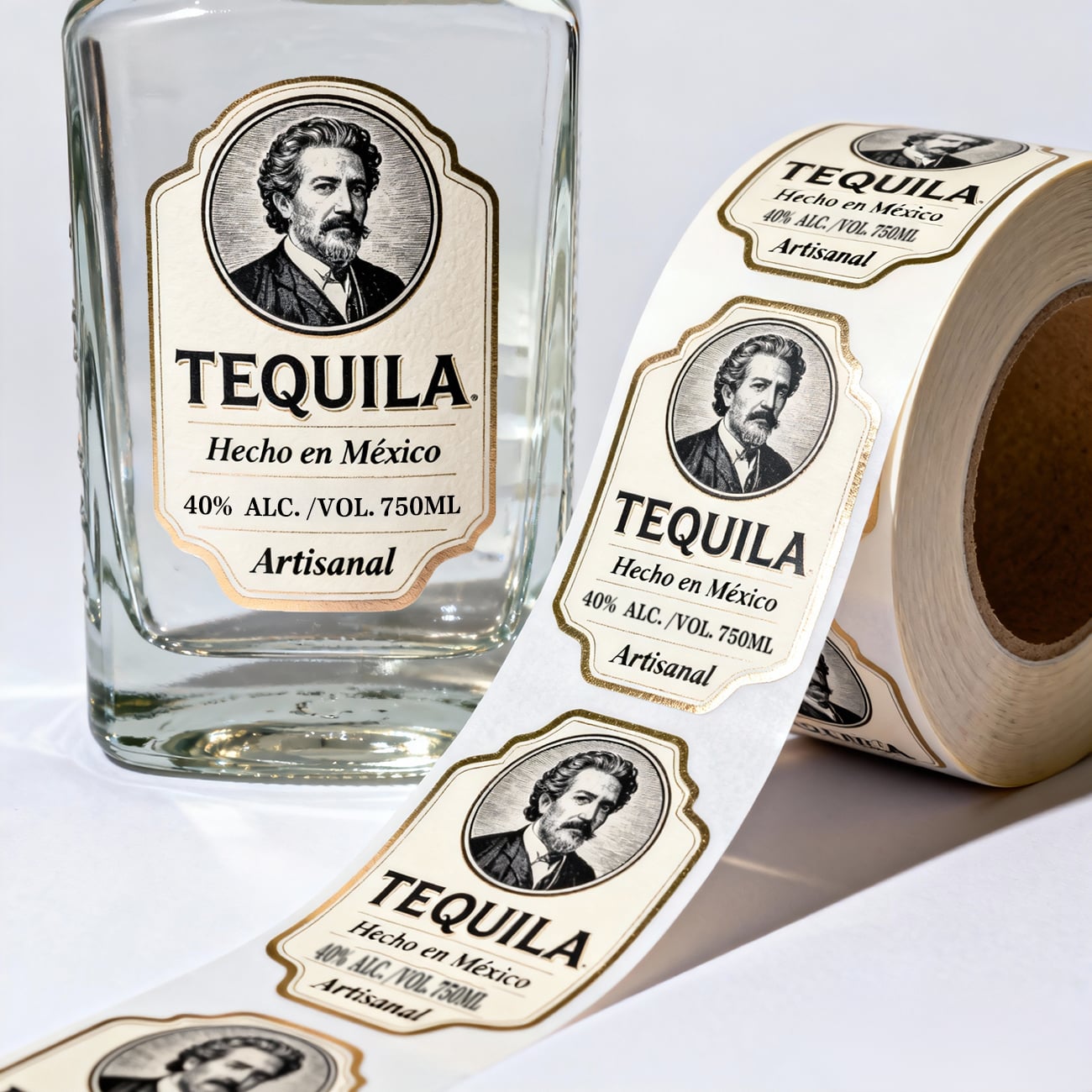
A bottle label serves as far more than a functional necessity in product packaging. Your bottle label is the primary touchpoint where consumers first engage with your brand, making it a critical component of your overall brand identity strategy. In competitive markets, a well-designed bottle label communicates your brand's values, quality promise, and market positioning in just seconds. This visual identity, when executed consistently across all product lines, builds recognition, trust, and customer loyalty that directly impacts purchasing decisions and brand recall.
Every bottle label tells a story about your brand. Whether you manufacture beverages, personal care products, or specialty chemicals, your bottle label design shapes consumer perception before they even open the product. Strategic bottle label development ensures that each product in your range reinforces a cohesive brand narrative while addressing specific market segments and regulatory requirements. Understanding how to leverage your bottle label as a branding tool transforms packaging from a compliance requirement into a competitive advantage that resonates across retail environments and consumer touchpoints.
Strategic Design Principles for Cohesive Brand Identity
Visual Consistency Across Product Lines
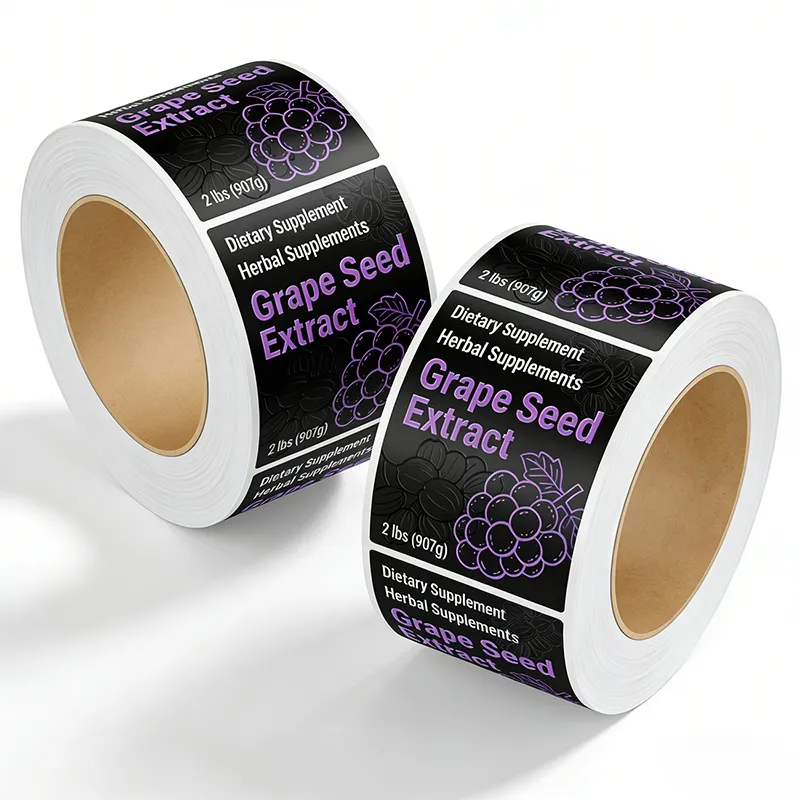
Your bottle label design must maintain visual consistency while allowing flexibility for individual product differentiation. A cohesive bottle label template across your product range establishes brand recognition instantly, even when products vary in function or market segment. Consistency in color palette, typography, logo placement, and structural design creates a unified brand presence on store shelves, helping consumers identify all offerings as part of the same trusted brand family. This unified approach to your bottle label strengthens brand recall and builds confidence in purchasing decisions across your entire catalog.
Differentiating Products While Maintaining Brand Unity
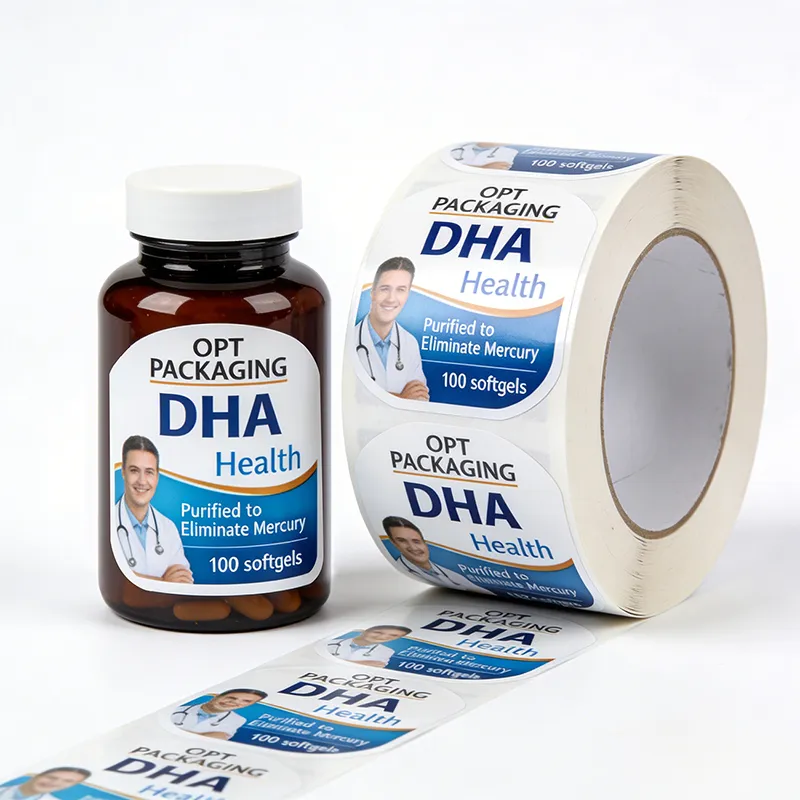
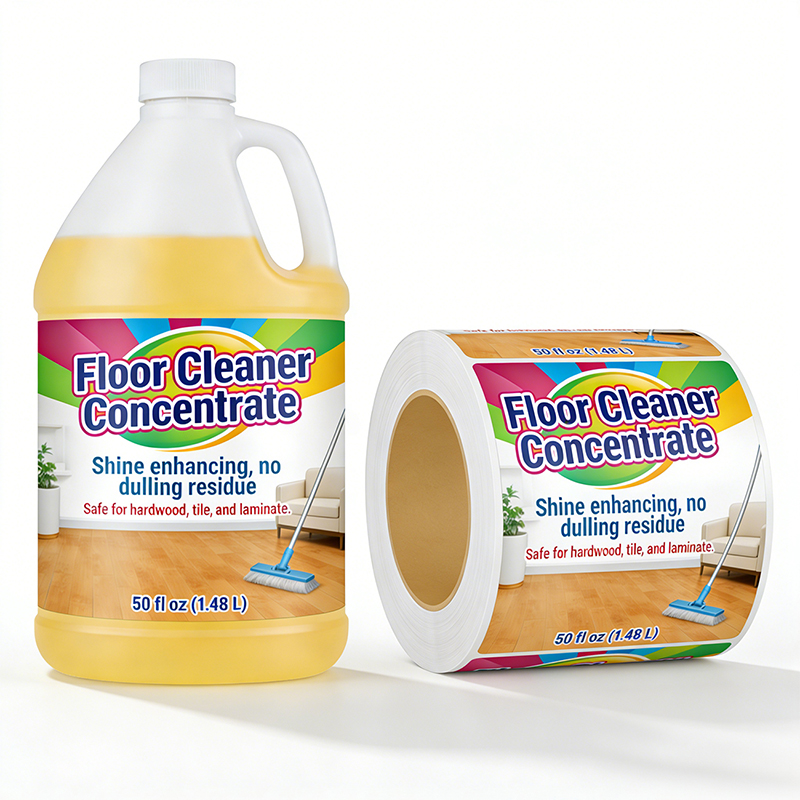
Each bottle label must differentiate its specific product while remaining visually connected to the broader brand identity. You can achieve this by maintaining core brand elements—logo, primary colors, and typography—in your bottle label while varying secondary design elements specific to each product. For example, your bottle label might feature consistent brand architecture on the top half with product-specific information and accent colors on the lower half. This strategy ensures your bottle label works independently to communicate product benefits while collectively reinforcing brand strength and market positioning across your entire product portfolio.
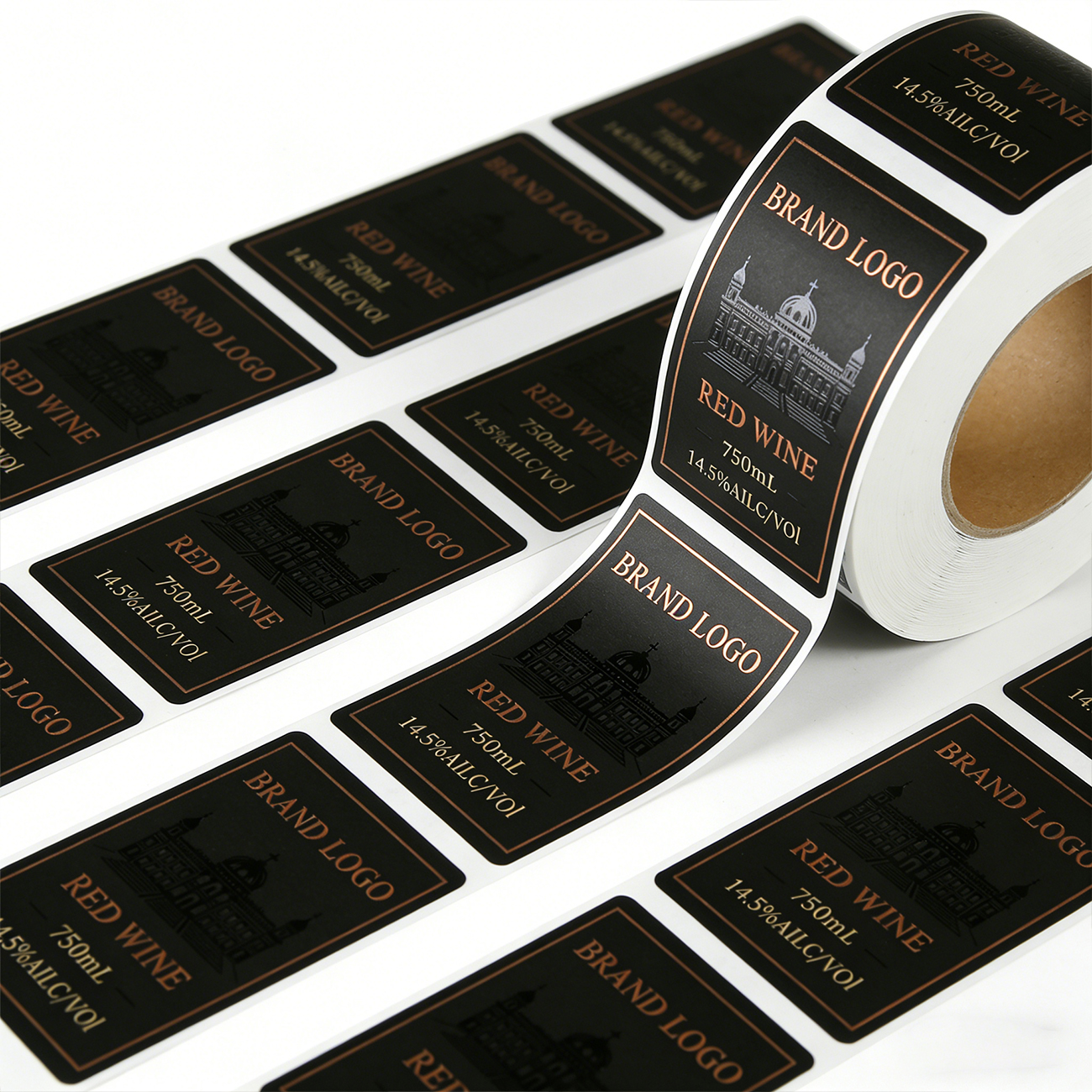
Building Consumer Trust Through Label Transparency
Information Hierarchy and Regulatory Compliance
Effective bottle label design requires clear information hierarchy that guides consumers to key details while meeting regulatory compliance standards. Your bottle label must communicate ingredient lists, usage instructions, certifications, and safety information in a way that feels transparent without overwhelming the consumer experience. The way your bottle label organizes this information—what appears prominently versus what resides in smaller text—directly affects how consumers perceive your brand's transparency and trustworthiness. A well-structured bottle label demonstrates that your company respects consumer intelligence and prioritizes honest communication about product composition and safety.
Building Credibility Through Design Quality
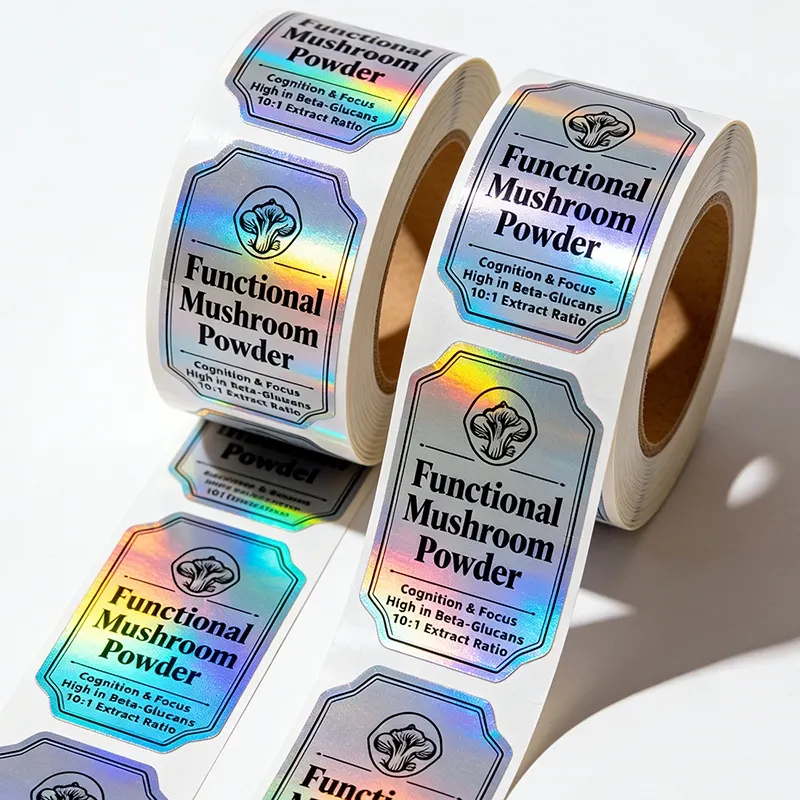
The production quality of your bottle label significantly influences brand perception. Premium materials, precise printing, and professional finishing on your bottle label signal that you invest in quality across all aspects of your brand. Consumers often equate visual craftsmanship with product quality, meaning a poorly executed bottle label can undermine confidence in the product itself, regardless of actual performance. Investing in high-quality bottle label production—including waterproof materials, vibrant color reproduction, and durable finishes—demonstrates brand commitment and justifies premium pricing strategies in competitive markets.
Optimizing Bottle Labels for Market Differentiation and Growth
Adapting Labels for Regional and Demographic Segments
Your bottle label strategy must account for regional preferences, demographic targeting, and cultural considerations across different markets. A versatile bottle label system allows you to maintain core brand identity while tailoring messaging, imagery, and even color emphasis to resonate with specific consumer segments. For instance, your bottle label might emphasize sustainability credentials in environmentally conscious markets or highlight health benefits in fitness-focused regions, all while maintaining consistent brand architecture. This adaptive approach to your bottle label maximizes market relevance without diluting the unified brand identity that supports cross-market recognition.
Leveraging Digital Integration and Consumer Engagement
Modern bottle label design increasingly incorporates digital touchpoints that extend brand engagement beyond the physical product. Your bottle label might feature QR codes linking to product stories, sustainability initiatives, or exclusive content that deepens consumer connection to your brand. Augmented reality elements on your bottle label can provide interactive experiences that differentiate your brand in crowded retail environments. These digital integrations transform your bottle label from a static information carrier into a gateway for ongoing brand conversation, building loyalty and repeat engagement. When executed thoughtfully, your bottle label becomes a bridge between physical and digital brand experiences that strengthen overall market positioning.
Sustainability as a Brand Identity Component
Environmental responsibility increasingly influences brand perception, making sustainable bottle label practices a core identity component. Your bottle label made from eco-friendly materials or featuring recyclability information communicates brand values to environmentally conscious consumers. Communicating your commitment to sustainable practices through your bottle label design attracts loyal customers willing to support responsible brands. This approach to your bottle label simultaneously addresses market demand for environmental stewardship and reinforces brand positioning as a values-driven company, creating competitive differentiation that extends far beyond traditional product benefits and performance metrics.
FAQ
How does a bottle label influence purchasing decisions?
A bottle label directly influences purchasing decisions because it provides the first visual impression of your brand within seconds. Studies consistently show that consumers make initial purchase judgments based on packaging design and visual appeal. Your bottle label communicates product benefits, brand values, and quality signals that determine whether a consumer chooses your product over competitors on crowded retail shelves. When your bottle label combines professional design, clear messaging, and brand consistency, it significantly increases conversion rates and customer retention across product categories.
What makes a bottle label effective for brand consistency?
An effective bottle label maintains consistent brand elements—including logo placement, color palette, typography, and structural design—across all products while allowing room for product-specific differentiation. Your bottle label should be immediately recognizable as part of your brand family, even when individual products serve different purposes or target different segments. Consistency in your bottle label design builds mental associations between visual elements and brand quality, reducing consumer uncertainty and increasing purchase confidence. This unified approach to your bottle label strengthens overall brand equity and supports premium positioning strategies across your product range.
How can bottle labels support premium pricing strategies?
High-quality bottle label design and production directly support premium pricing by signaling superior brand positioning and product quality. A professionally designed and well-executed bottle label communicates investment in brand excellence, justifying higher prices compared to competitors with generic or poorly designed packaging. Your bottle label becomes a visual representation of the value proposition you're offering, making consumers more willing to pay premium prices for perceived quality and brand prestige. When combined with consistent messaging and superior materials, your bottle label establishes the psychological foundation for margin optimization and market differentiation in competitive segments.