 EN
EN
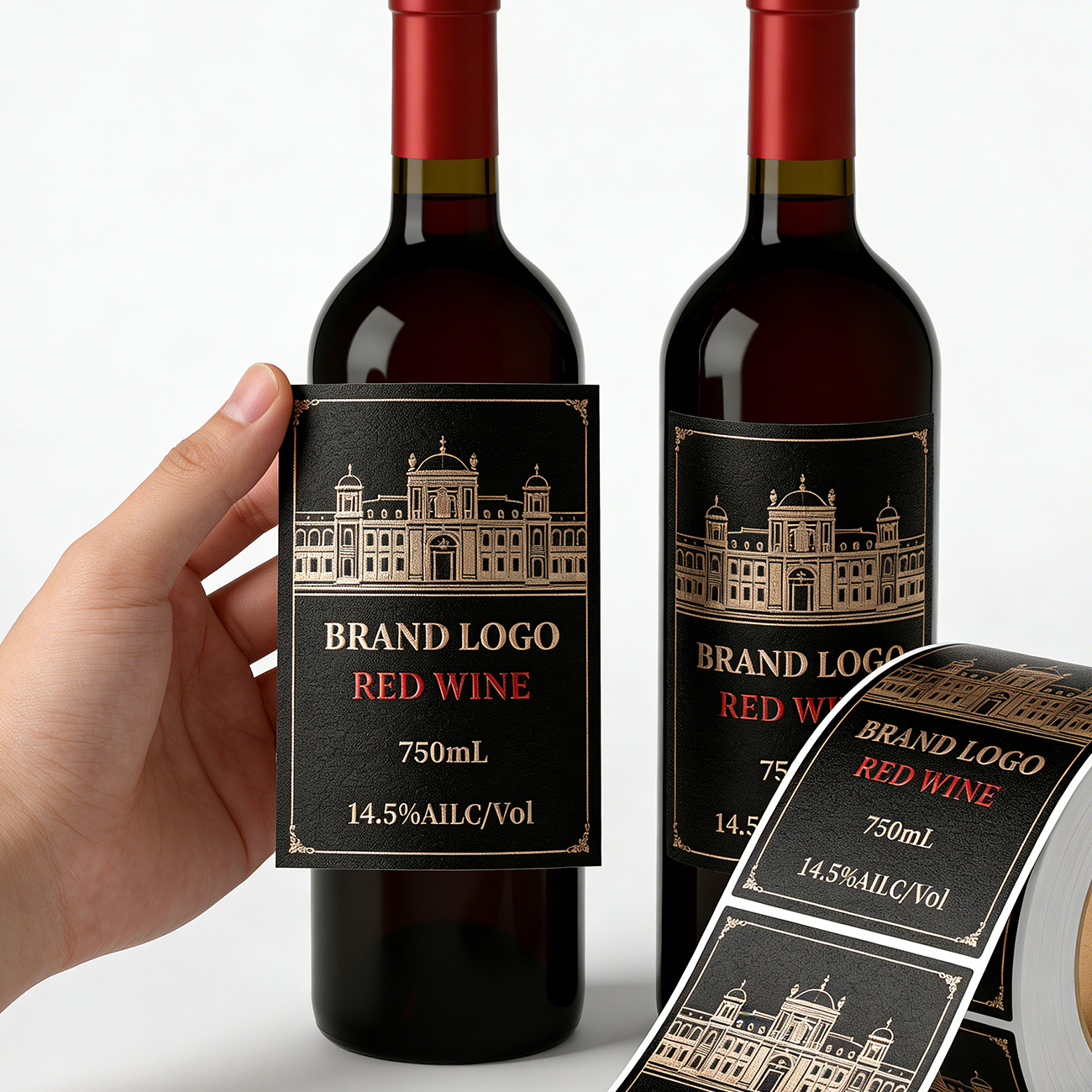
Selecting the right material for your bottle label is one of the most critical decisions in packaging design. A bottle label must withstand moisture, temperature fluctuations, handling stress, and shelf display conditions while simultaneously communicating your brand identity and product value. The material you choose directly impacts durability, appearance, consumer perception, and ultimately the success of your product in a competitive market. Understanding which materials deliver genuine performance ensures your investment in packaging creates lasting brand recognition and product protection.
High performance bottle label materials are engineered to meet demanding functional and aesthetic requirements. Whether your product faces refrigerated storage, outdoor exposure, or premium retail placement, the substrate, adhesive system, and finishing treatments work together to ensure label integrity. This guide explores the material options that deliver superior performance, helping you make an informed decision based on your specific product environment and brand positioning.
Understanding Bottle Label Performance Requirements
Environmental Resistance and Durability
Every bottle label faces exposure to moisture, oils, temperature changes, and physical contact. Performance begins with understanding what your bottle label must withstand. Beverages stored in cold temperatures create condensation that challenges label adhesion and print clarity. Craft beverages, spirits, and cosmetics often experience temperature cycling between storage and display environments, stressing the bond between substrate and adhesive. A quality bottle label resists peeling, yellowing, and ink fading even under these demanding conditions. The material selection directly determines whether your bottle label maintains visual impact from shelf to consumer use, affecting both brand perception and repeat purchase likelihood.
Brand Visibility and Print Quality
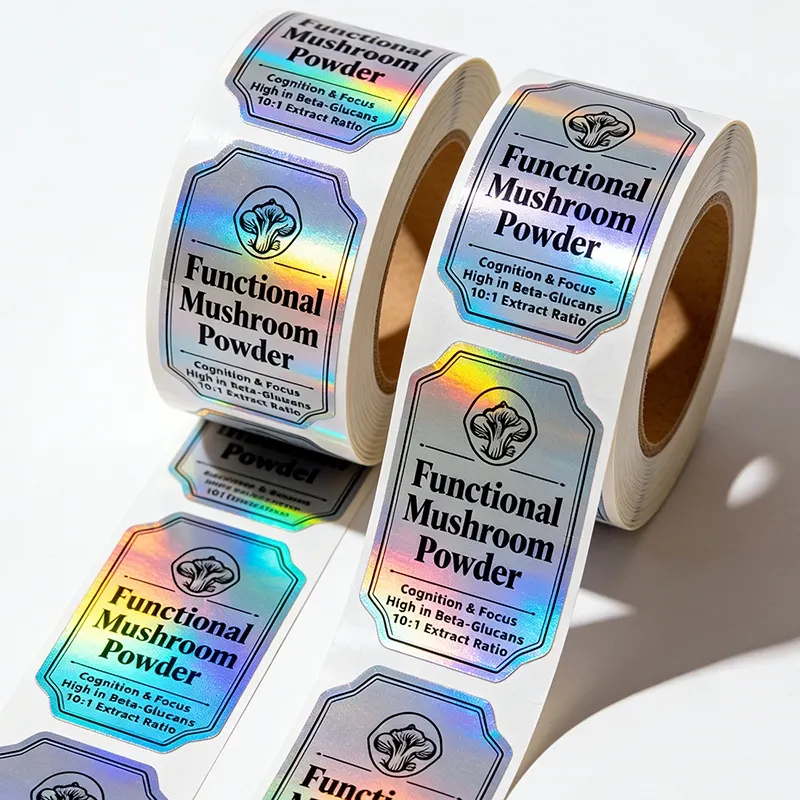
Your bottle label serves as the primary visual interface between your brand and consumers. The substrate must accept high-resolution printing that captures fine detail, vibrant color, and metallic or specialty finishes. Premium bottle label applications often demand embossing, foil stamping, or texture effects that enhance perceived quality and justify premium pricing. The material chosen determines which finishing techniques are viable and how effectively those techniques enhance brand differentiation. A bottle label printed on subpar material cannot deliver the luxury perception or visual clarity that premium products demand, regardless of design quality.
Premium Substrate Materials for High Performance Labels
Synthetic Films and Specialty Laminates
Synthetic materials represent the gold standard for bottle label applications requiring maximum durability and moisture resistance. Polypropylene films, polyester, and engineered plastic composites deliver superior water resistance, oil resistance, and temperature stability compared to paper-based substrates. A bottle label manufactured from synthetic film resists adhesive deterioration in cold storage, maintains print fidelity through multiple handling cycles, and resists tearing during application. These materials enable advanced finishing techniques including embossing, foil application, and multi-layer construction. For premium beverages, cosmetics, and specialty products where shelf presence directly influences purchase decisions, synthetic bottle label materials justify their higher material cost through superior performance and brand elevation.
High-Grade Coated Papers
Coated paper substrates offer an optimal balance between cost-effectiveness and performance for many bottle label applications. Art papers, matte coated papers, and specialty finishes provide excellent print receptivity while maintaining sufficient moisture resistance for most refrigerated and ambient storage conditions. A bottle label made from premium coated paper can incorporate texture, embossing, and foil stamping to create luxury perception without the premium cost of synthetic materials. These materials suit craft beverages, artisanal products, and brands emphasizing environmental consciousness. The coating acts as a protective barrier, helping your bottle label resist water penetration and maintain color vibrancy throughout the product lifecycle. Properly selected coated paper delivers strong visual impact while remaining economically practical for volume production.
Advanced Finishing Techniques That Define Bottle Label Excellence
Embossing, Foiling, and Texture Enhancement
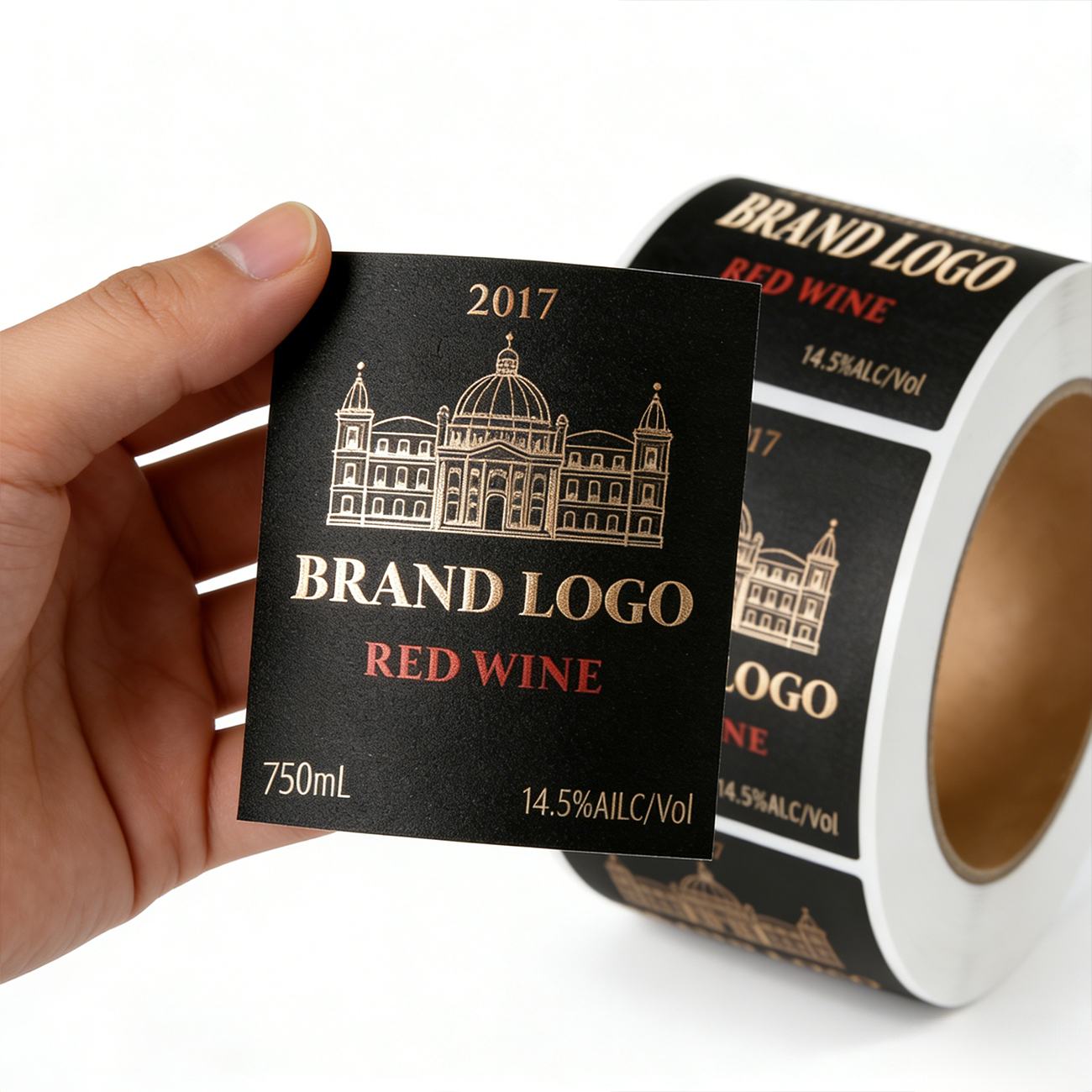
Modern bottle label design extends beyond printed surface color to include tactile and dimensional effects that command attention and justify premium positioning. Embossing creates raised or recessed patterns that add luxury perception and protect critical brand elements. A bottle label incorporating gold foil or metallic accents immediately signals premium quality and justifies higher retail pricing. These techniques require substrate materials with sufficient structural integrity to withstand embossing pressure and adhesive compatibility with foil adhesives. Texture finishes including soft-touch, matte, and specialized coatings transform a standard bottle label into a sensory brand experience. The material-finishing combination determines whether these premium techniques succeed visually and functionally, so substrate selection must anticipate your intended finishing approach rather than treating it as an afterthought.
Adhesive System Selection and Substrate Compatibility
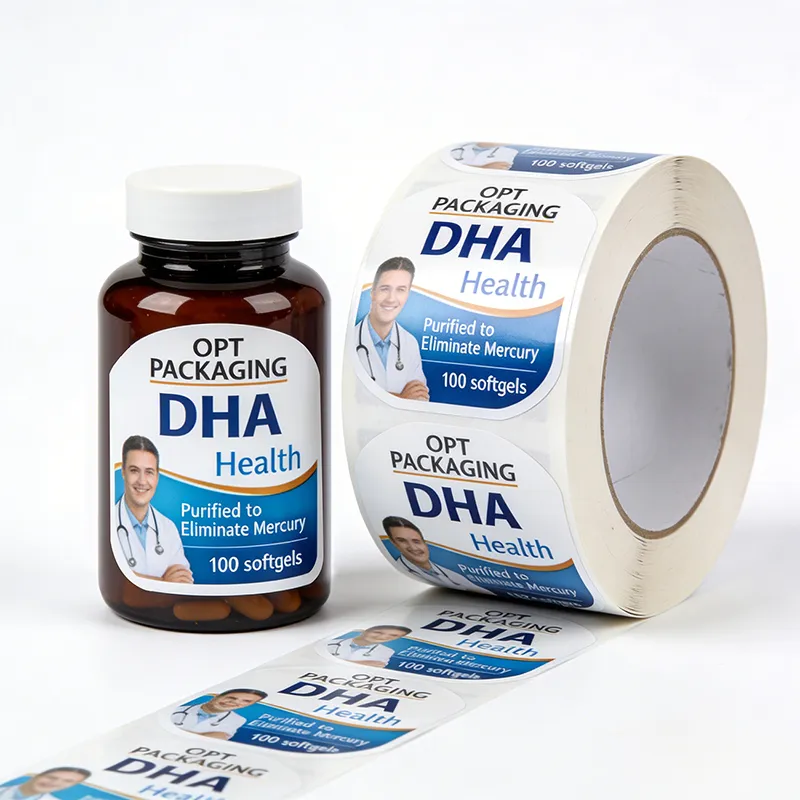
The adhesive behind your bottle label matters as much as the substrate itself. Permanent adhesives suit most applications, maintaining label integrity from application through use. A bottle label destined for cold storage requires cold-temperature-stable adhesives that maintain bond strength in refrigerated environments where standard adhesives fail. Water-based adhesives reduce environmental impact while performing adequately on properly selected substrates. Pressure-sensitive adhesives enable hand application and removal without substrate damage, important for premium products emphasizing brand care. The bottle surface material—glass, plastic, curved or textured—further influences adhesive requirements. Your bottle label performance depends on matching adhesive chemistry to both your substrate material and your specific bottle application conditions, not simply choosing the cheapest option available.
Material Selection Framework for Different Product Categories
Beverages, Cosmetics, and Specialty Products
Craft beverages demand bottle label materials that withstand condensation, ice contact, and extended refrigeration without peeling or degradation. A bottle label for craft beer or premium spirits must maintain visual impact through multiple temperature cycles from production to consumer refrigeration. Synthetic films or premium coated papers with cold-stable adhesives become non-negotiable for this category. Cosmetics and premium skincare products often display labels on curved surfaces or textured bottles, requiring materials with flexibility and superior adhesion to non-traditional surfaces. Your bottle label choice directly impacts perceived product quality and consumer willingness to recommend the product. Premium positioning demands premium materials that visually and physically perform without compromise.
Environmental and Cost-Performance Trade-offs
Sustainability considerations increasingly influence bottle label material selection, though performance cannot be sacrificed for environmental perception. Recycled or sustainably sourced coated papers offer environmental benefits while delivering adequate performance for many applications. A bottle label manufactured from plant-based or recyclable synthetic films represents an emerging category balancing performance and environmental responsibility. However, material selection must prioritize actual performance requirements over aspirational sustainability messaging. An environmentally friendly bottle label that fails in actual use damages brand reputation and wastes resources more significantly than selecting optimal performing materials. Evaluate the true performance demands of your product category and distribution conditions before defaulting to materials selected primarily for environmental attributes.
FAQ
What is the most durable bottle label material for cold storage applications?
Synthetic films including polypropylene and polyester offer superior cold-storage durability compared to paper substrates. A bottle label made from these materials resists moisture penetration, maintains adhesive strength in refrigerated environments, and resists peeling during extended cold storage. These materials pair with cold-temperature-rated adhesive systems to ensure label integrity from production through consumer use. If your product faces condensation, ice exposure, or extended refrigeration, synthetic film represents the most reliable bottle label choice.
Can coated paper deliver performance comparable to synthetic films for bottle label applications?
High-quality coated papers can deliver strong performance for bottle label applications in ambient or moderately cool environments, but do not match synthetic film performance in extreme cold storage or high-moisture conditions. A bottle label produced from premium coated paper with appropriate coating thickness and moisture-resistant adhesive performs adequately for many craft beverages and specialty products. However, extended refrigeration or condensation exposure favors synthetic materials. Evaluate your actual storage conditions and transportation environment to determine whether a bottle label needs synthetic film durability or whether quality coated paper suffices.
How do specialty finishes like embossing and foil stamping affect bottle label material selection?
Embossing and foil stamping require substrates with sufficient structural integrity and finish compatibility to accept these techniques without degradation. A bottle label incorporating these effects demands materials thicker or more densely coated than basic printed labels. Synthetic films and premium coated papers both support these techniques when selected with finishing requirements in mind. Discuss intended finishing techniques with your material supplier early in material selection to ensure your chosen bottle label substrate delivers the visual impact and durability your brand positioning demands.