Food Ingredient Labels

Get a Free Quote

Our representative will contact you soon.
Email
Name
Mobile or WhatsApp
Message
0/1000

food ingredient labels

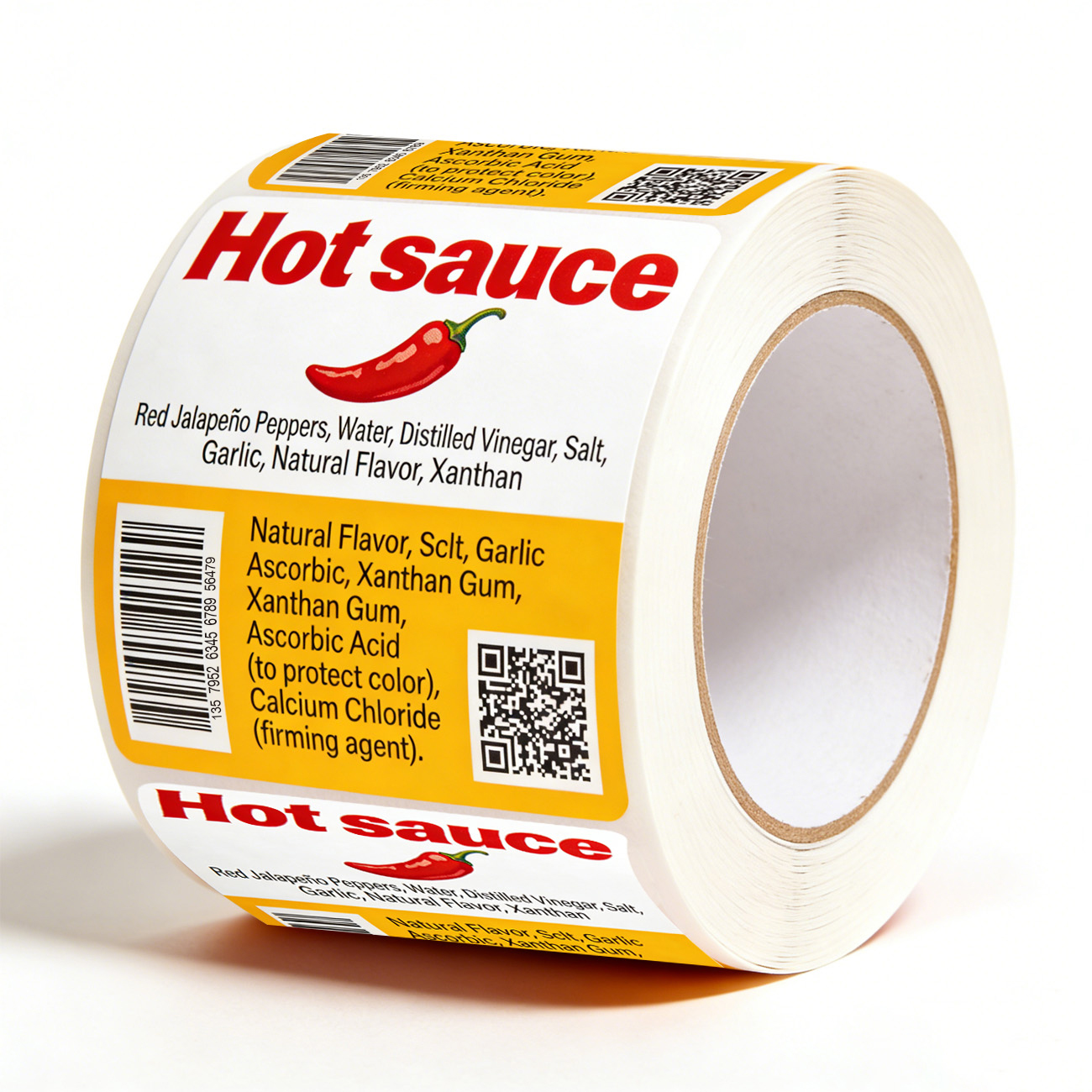
Food ingredient labels serve as essential communication tools between manufacturers and consumers, providing comprehensive information about product composition and nutritional content. These labels display all ingredients used in food products, listed in descending order by weight, enabling consumers to make informed dietary choices. Food ingredient labels include mandatory information such as allergen declarations, nutrition facts, and ingredient sourcing details that help individuals with dietary restrictions or preferences identify suitable products. The technological features of food ingredient labels have evolved significantly to meet regulatory requirements across different markets. Modern food ingredient labels utilize barcode systems, QR codes, and digital tracking to provide real-time product information and supply chain transparency. These labels incorporate advanced printing technologies that ensure durability and legibility under various storage and display conditions. Applications of food ingredient labels extend across all food sectors, including packaged goods, beverages, dairy products, and prepared meals. Retailers depend on accurate food ingredient labels to comply with food safety regulations and protect consumer health. Manufacturers use food ingredient labels as marketing tools to highlight premium ingredients, organic certifications, and nutritional benefits. Food ingredient labels also support traceability initiatives, enabling rapid recalls when safety issues arise and building consumer confidence in product quality and authenticity.

Popular Products

Food ingredient labels deliver significant practical benefits that empower consumers and streamline business operations throughout the food industry. For consumers, these labels eliminate guesswork by transparently displaying every component in their food, making it simple to identify products that align with personal dietary needs, allergies, and ethical preferences. This transparency builds trust and confidence in food purchases. Operationally, food ingredient labels enhance business efficiency by meeting regulatory compliance standards automatically, reducing legal risks and potential fines. Manufacturers can leverage food ingredient labels to differentiate products in competitive markets, highlighting premium ingredients or special certifications that justify price points. This differentiation supports brand positioning and customer loyalty. Application suitability demonstrates that food ingredient labels adapt to diverse product categories and consumer segments. Whether selling specialty products for people with celiac disease, vegan alternatives, or premium organic goods, clear food ingredient labels facilitate these market niches. Retailers benefit from simplified inventory management and reduced customer inquiries when food ingredient labels provide comprehensive, accessible information. From a decision-useful perspective, food ingredient labels serve multiple stakeholders effectively. Nutritionists and health professionals use these labels to advise patients on appropriate food choices. Parents review food ingredient labels to ensure children consume safe, age-appropriate products. Food ingredient labels ultimately create a transparent marketplace where informed decisions become standard, benefiting public health while supporting sustainable business practices and reducing waste through better consumer awareness.

Tips And Tricks

30,000+ Buyers Join Our Virtual Factory Tour

16

Jul

30,000+ Buyers Join Our Virtual Factory Tour

View More
A Debut That Made Noise: OPT’s First Canton Fair

16

Jul

A Debut That Made Noise: OPT’s First Canton Fair

View More
What Printing Technologies Deliver the Best Label Printing Results?

27

Jul

What Printing Technologies Deliver the Best Label Printing Results?

View More
How Does Label Printing Support High Quality Product Presentation?

27

Jul

How Does Label Printing Support High Quality Product Presentation?

View More

Get a Free Quote

Our representative will contact you soon.
Email
Name
Mobile or WhatsApp
Message
0/1000

food ingredient labels

Comprehensive Ingredient Transparency and Consumer Empowerment

Comprehensive Ingredient Transparency and Consumer Empowerment

Food ingredient labels provide complete visibility into product composition, listing every ingredient consumers will ingest. This comprehensive transparency empowers customers to align food purchases with personal values, health objectives, and dietary restrictions. Individuals managing diabetes, obesity, or cardiovascular disease can identify products with reduced sodium, sugar, or saturated fats through detailed food ingredient labels. Parents protecting children from allergens gain confidence knowing that food ingredient labels clearly highlight common allergens like peanuts, tree nuts, dairy, and shellfish. This transparency extends beyond basic ingredient listing, as modern food ingredient labels often indicate ingredient sourcing, processing methods, and certifications like organic or non-GMO status. Consumers appreciate food ingredient labels that explain unfamiliar additives or preservatives, improving their understanding of modern food production. By enabling informed decision-making, food ingredient labels foster consumer empowerment and support healthier eating patterns across diverse populations and demographic groups.
Regulatory Compliance and Food Safety Assurance

Regulatory Compliance and Food Safety Assurance

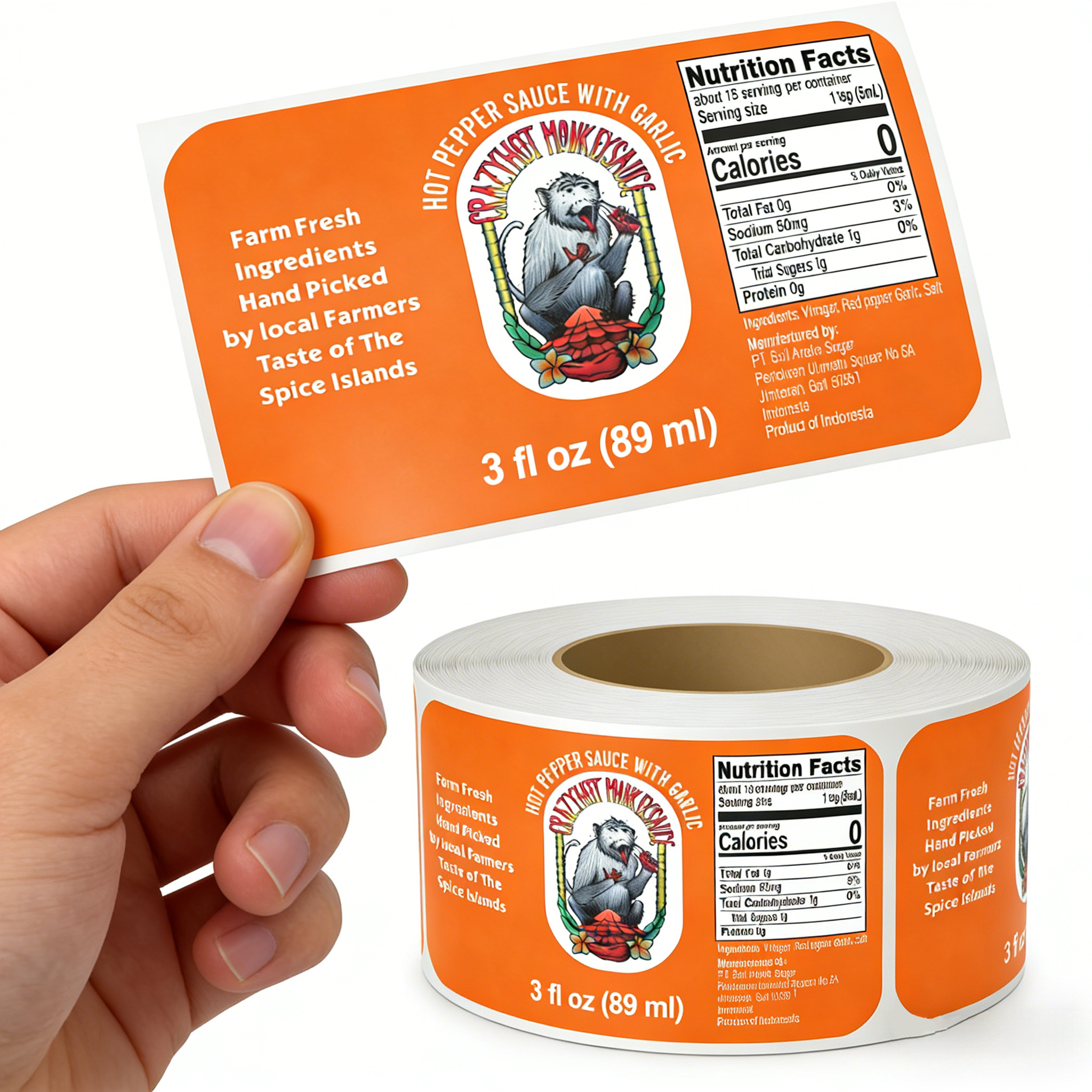
Food ingredient labels represent the foundation of food safety regulation and consumer protection frameworks worldwide. These labels ensure manufacturers comply with stringent government standards established by agencies like the FDA and EFSA, protecting public health through accurate nutritional information and allergen disclosure. Food ingredient labels undergo rigorous testing and validation to confirm that stated ingredients match actual product composition, maintaining industry credibility and preventing fraudulent claims. This compliance infrastructure supports food traceability, enabling authorities to identify contaminated products rapidly and implement targeted recalls that protect millions of consumers. Food ingredient labels also document processing methods and handling conditions that indicate safety standards throughout production. Businesses using compliant food ingredient labels avoid substantial penalties, legal liability, and reputational damage associated with regulatory violations. Insurance companies often offer favorable rates to manufacturers maintaining meticulous food ingredient labels, reflecting reduced risk profiles. This compliance advantage creates competitive benefits while ensuring that consumers receive genuinely safe products meeting established quality benchmarks and safety protocols.
Market Differentiation and Brand Building Through Strategic Labeling

Market Differentiation and Brand Building Through Strategic Labeling

Food ingredient labels serve as powerful marketing tools that distinguish products in saturated markets and communicate brand values directly to target audiences. Premium brands leverage food ingredient labels to highlight exclusive ingredients, artisanal sourcing, or sustainable practices that justify premium pricing and attract conscious consumers. Certifications displayed on food ingredient labels—such as organic, fair-trade, non-GMO, or vegan designations—immediately signal product quality and values alignment to shoppers seeking alternatives. Food ingredient labels featuring simple, recognizable ingredients resonate with clean-label trends, appealing to consumers skeptical of synthetic additives and processed components. Manufacturers can use food ingredient labels creatively to educate consumers about traditional recipes, heritage ingredients, or nutritional innovations that differentiate offerings from competitors. Language choices on food ingredient labels influence brand perception, with descriptive terminology attracting premium market segments while straightforward approaches appeal to value-conscious buyers. This strategic branding through food ingredient labels extends customer relationships beyond purchase, building loyalty among consumers who appreciate transparency and alignment with personal or environmental values.