 EN
EN
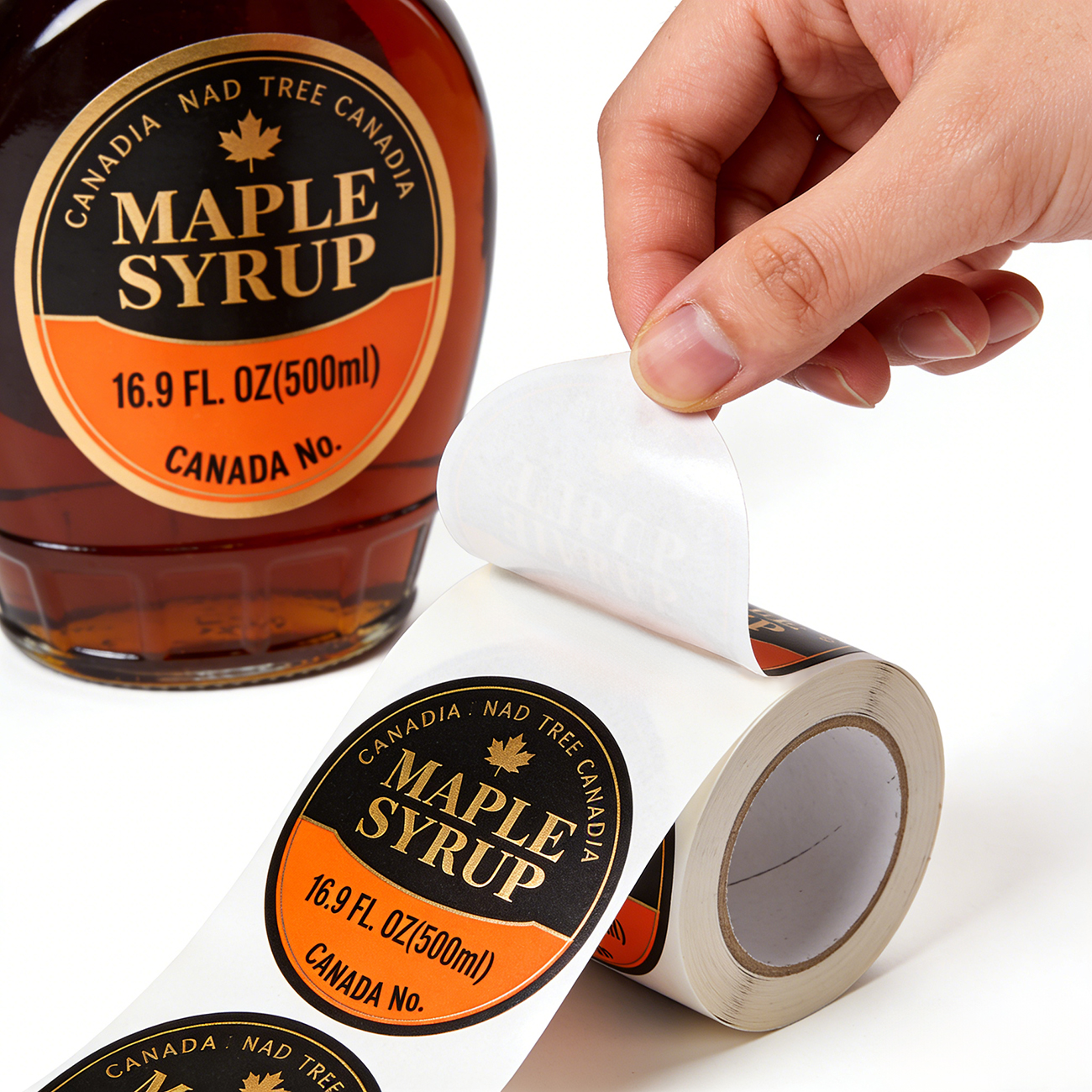
When you invest in label printing for your products, the choice of technology directly impacts quality, durability, and your brand's visual appeal. Label printing encompasses numerous methodologies, each with distinct advantages, limitations, and ideal applications. Understanding which label printing solution delivers superior results requires examining the core technologies available, their technical capabilities, and how they align with specific production demands and market expectations.
The industrial label printing landscape has evolved dramatically, introducing advanced techniques that address both aesthetic and functional requirements. Whether you're producing beverage labels, pharmaceutical packaging, or specialty product identification, selecting the right label printing technology shapes everything from initial setup costs to long-term production efficiency and final output quality.
Digital Label Printing Technology
Inkjet and Laser-Based Systems
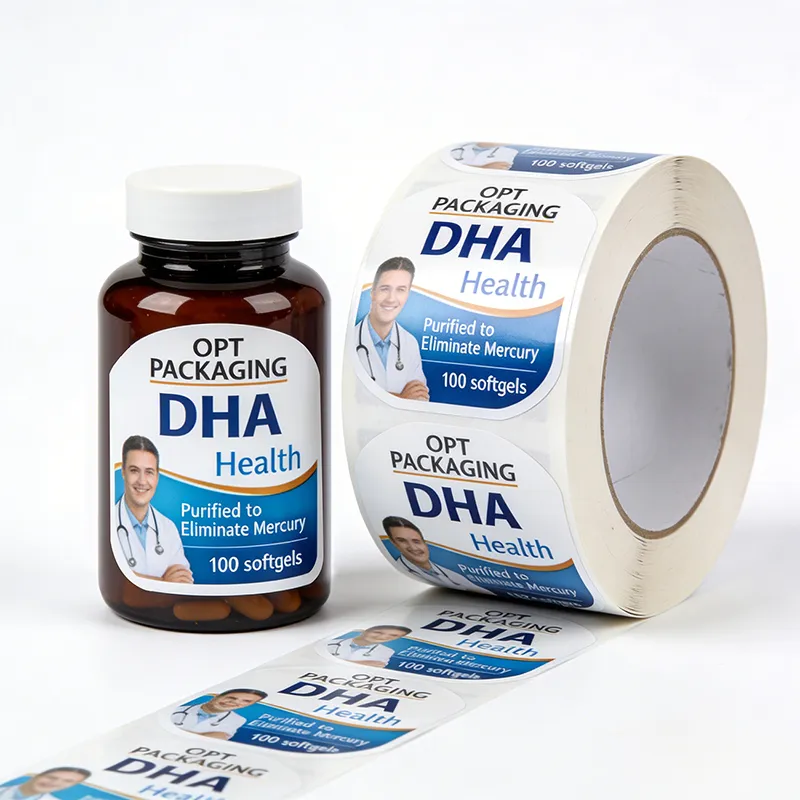
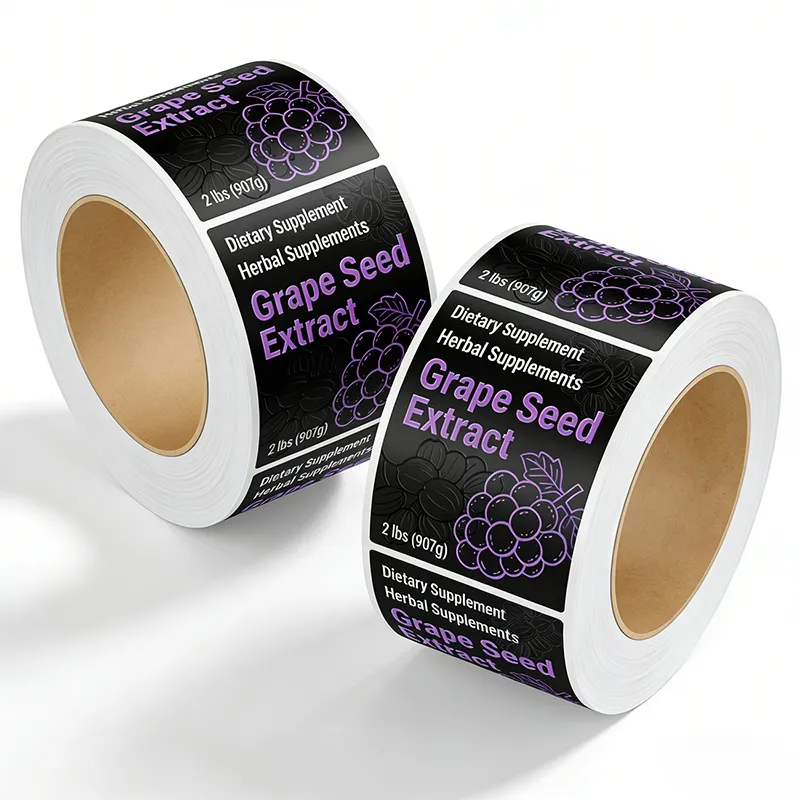
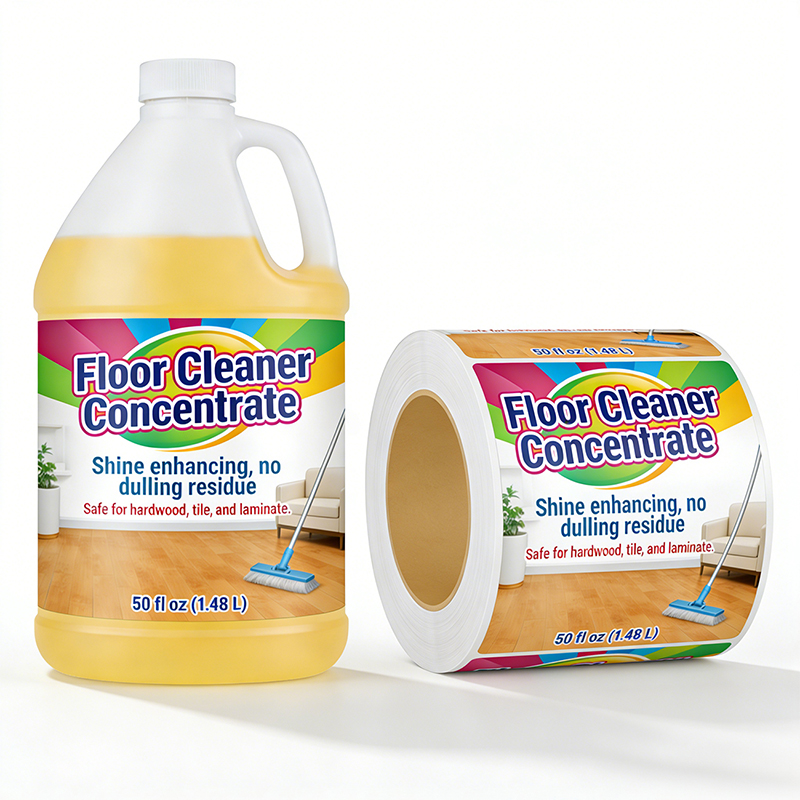
Digital label printing represents one of the most flexible approaches in modern production environments. This label printing method uses advanced inkjet systems or laser technology to apply precise color, gradients, and fine detail directly onto label materials without traditional plate setups. Digital label printing eliminates the need for expensive die preparation, making it exceptionally cost-effective for short runs, variable data applications, and rapid prototyping.
The speed and precision of digital label printing technology continue to improve, with contemporary systems achieving resolutions exceeding 1200 DPI. This ensures photographic quality imagery, sharp text, and vibrant colors that meet premium branding standards. Digital label printing also accommodates multiple substrate types, including traditional paper, synthetic films, and specialty materials, providing manufacturers with genuine flexibility in material selection and aesthetic outcomes.
Applications and Production Scenarios
Digital label printing excels in scenarios requiring customization, personalization, or frequent design changes. Craft beverage manufacturers, boutique skincare brands, and limited-edition product lines frequently leverage digital label printing to maintain visual impact while managing production complexity. The rapid setup and minimal waste associated with digital label printing make it ideal for companies prioritizing sustainability alongside quality output.
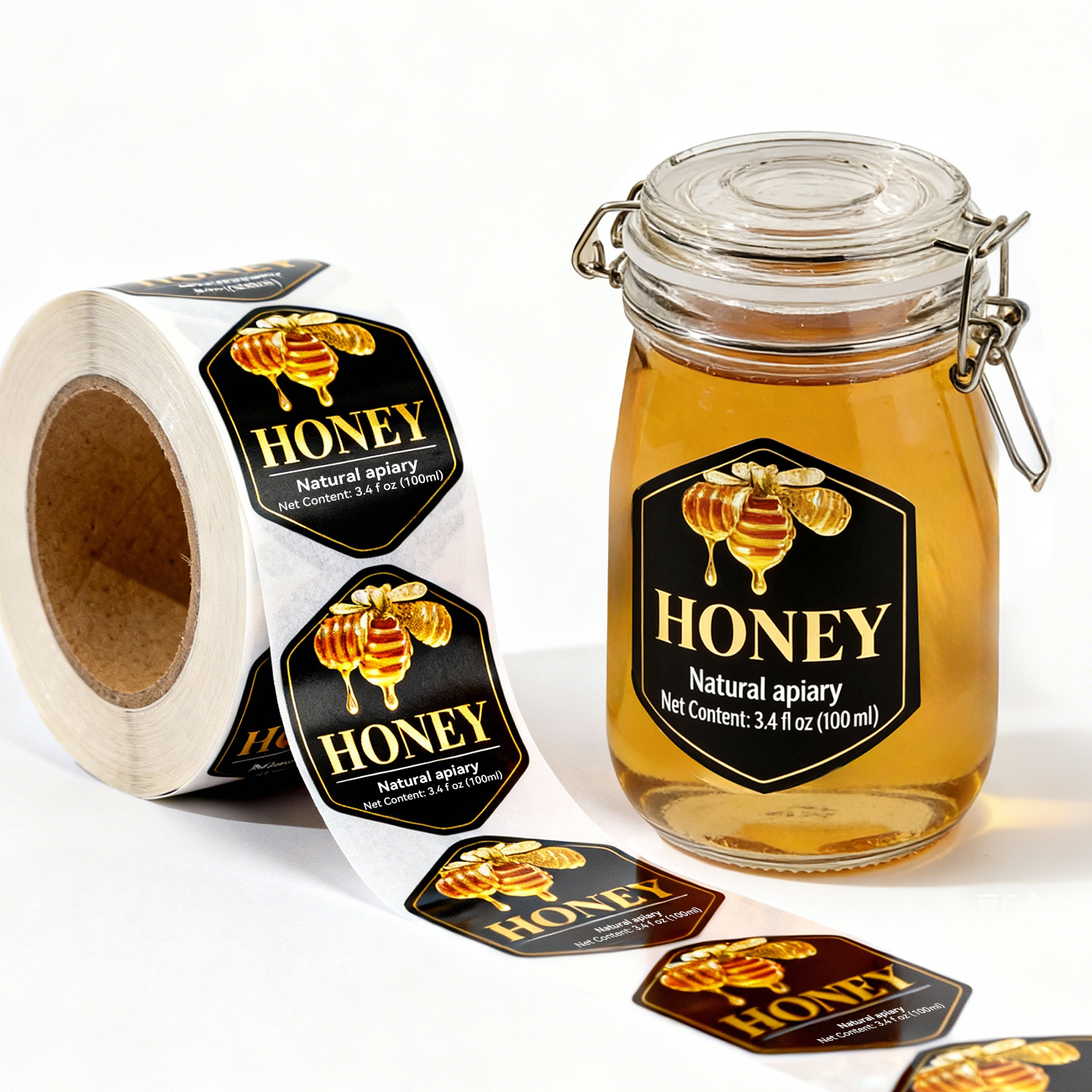
Flexographic Label Printing Method
Rotary Plate Technology and High-Volume Production
Flexography stands as the traditional backbone of high-volume label printing operations globally. This label printing approach uses resilient rubber or polymer plates mounted on rotating cylinders, allowing continuous impression transfer across label materials at exceptional speeds. Flexographic label printing routinely achieves production rates exceeding 500 feet per minute, making it the dominant choice for massive commercial operations requiring consistent output at minimal per-unit cost.
The economics of label printing through flexography improve dramatically at scale, as the initial plate investment distributes across thousands or millions of units. This label printing method delivers solid colors and consistent registration across long production runs, establishing it as the industry standard for major beverage, pharmaceutical, and consumer product manufacturers. Flexographic label printing systems are engineered for reliability, with minimal downtime and predictable output quality.
Material Compatibility and Environmental Considerations
Flexographic label printing accommodates virtually any substrate material, from traditional paper to advanced films and metallized surfaces. This versatility allows designers to achieve distinctive finishes and textures that enhance shelf appeal. Modern label printing facilities using flexography increasingly employ water-based and eco-friendly inks, addressing environmental concerns without compromising print quality or production efficiency.
Offset and Specialty Label Printing Solutions
Lithographic Printing for Premium Label Applications
Offset label printing delivers exceptional color fidelity and tonal gradation, making it the preferred choice for premium packaging where photographic imagery and complex color transitions define brand differentiation. This label printing technology relies on oil-ink adhesion principles, producing vibrant, durable results that resist fading and environmental exposure. Premium spirits, luxury cosmetics, and high-end food products frequently employ offset label printing to communicate brand prestige and craftsmanship.
The label printing process using offset technology produces minimal dot gain and exceptional color consistency, critical for brands requiring visual uniformity across retail distribution networks. While offset label printing requires plate setup and involves higher per-unit costs at lower volumes, the investment becomes economically justified when quality standards demand photographic precision and when production runs exceed 50,000 units.
Specialty Finishes and Embellishment Technologies
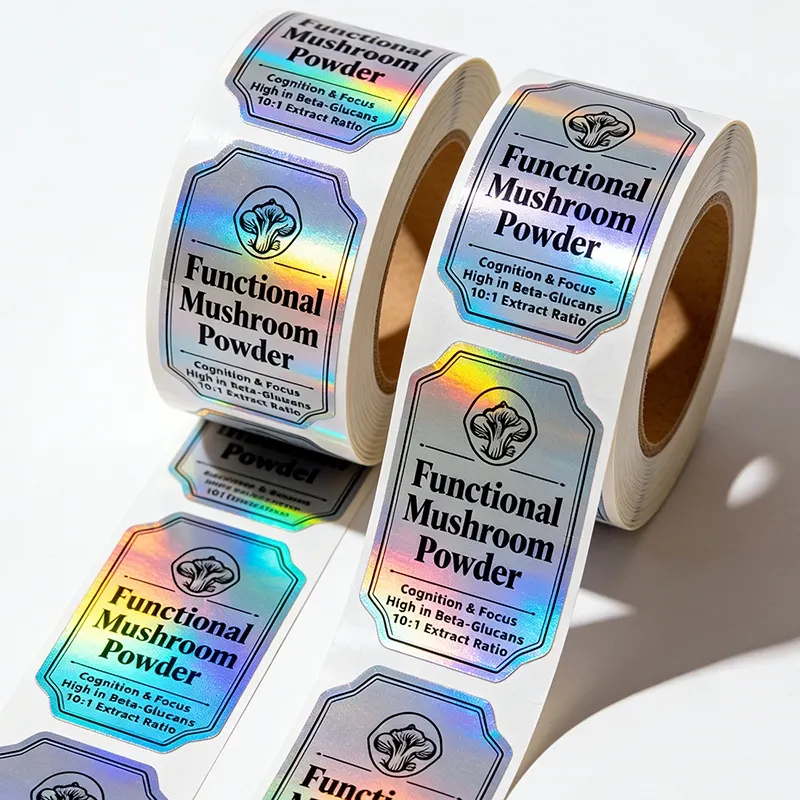
Beyond conventional printing, label printing innovation increasingly incorporates specialty finishes that elevate brand perception and consumer engagement. Spot ultraviolet coating, metallic inks, and embossing techniques layer onto label printing base processes, creating tactile, visually distinctive packaging elements. These specialty enhancements in label printing technology allow brands to differentiate in competitive markets while maintaining cost discipline through strategic application of premium effects only on critical brand elements.
FAQ
What factors should guide label printing technology selection?
Select label printing technology based on production volume, design complexity, substrate material, budget constraints, and timeline requirements. Digital label printing suits short runs and variable designs, while flexographic label printing dominates high-volume consistent applications. Offset label printing delivers premium results when photographic quality and color accuracy are non-negotiable. Evaluate your specific production scenario, quality standards, and cost structure to determine optimal label printing methodology.
How does label printing quality vary across different technologies?
Digital label printing achieves exceptional photographic clarity and fine detail but may show slight color variation between production batches. Flexographic label printing delivers consistent, reliable output at massive scale but limited to simpler color separations and registration tolerances. Offset label printing produces superior tonal gradations and color fidelity but requires significant setup investment. Each label printing technology offers distinct quality characteristics; match technology to your specific visual requirements and product positioning.
Are there sustainability considerations in choosing label printing methods?
Yes, label printing sustainability varies significantly across technologies. Digital label printing minimizes waste through direct imaging and requires no plate production or chemical processing. Flexographic label printing increasingly employs water-based inks and recyclable substrates. Offset label printing traditionally uses oil-based inks but modern facilities implement solvent recovery and recycling programs. Evaluate environmental impact alongside performance requirements when selecting your label printing technology and supplier partners.