 EN
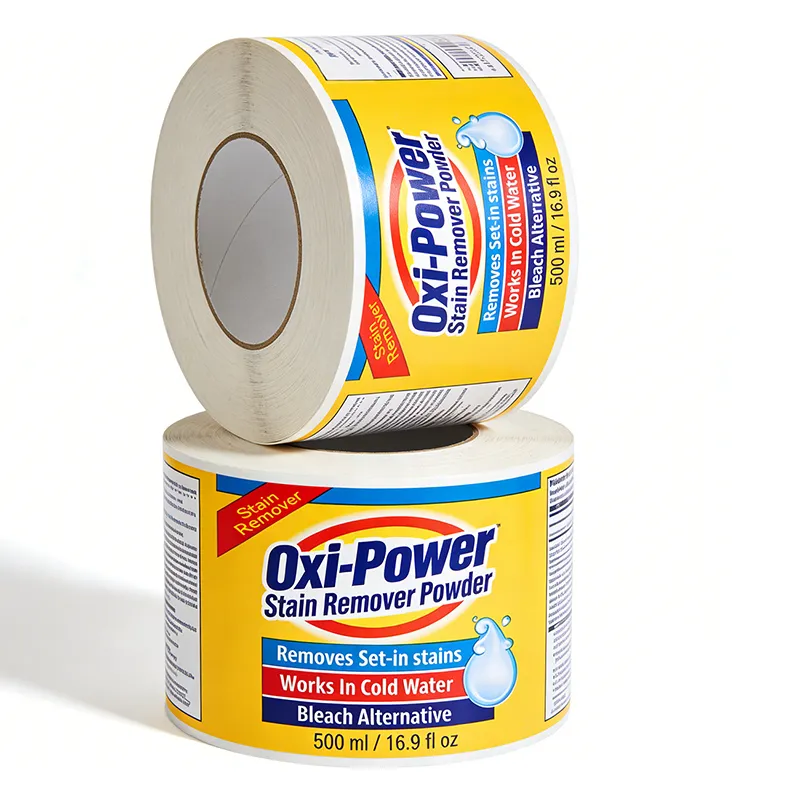
Professional print labels stand apart from standard printing solutions because they withstand demanding environments where ordinary labels fail. The durability of a print label depends on several interconnected factors, including substrate material quality, adhesive formulation, printing technology, and environmental resistance. Understanding these elements helps businesses choose labels that maintain legibility and adhesion through temperature fluctuations, moisture exposure, chemical contact, and mechanical handling. Investing in durable print label solutions reduces replacement costs and protects brand integrity across supply chains, retail environments, and industrial applications.
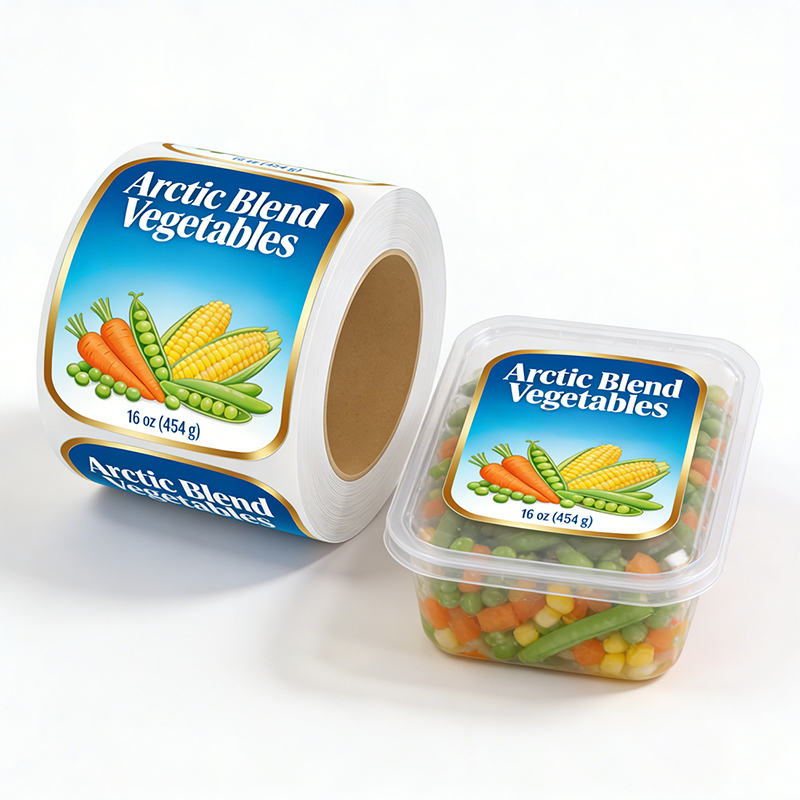
The longevity of any print label project hinges on material science and manufacturing precision. Premium print label systems combine engineered substrates, specialty inks, and formulated adhesives designed to resist peeling, fading, and deterioration. Professional label manufacturers employ rigorous testing protocols to ensure products meet industry standards for food safety, pharmaceutical compliance, environmental exposure, and functional performance. This article explores the specific design and material features that distinguish durable labels from commodity alternatives.
Material Selection and Substrate Technology
Premium Substrate Composition
The substrate forms the foundation of label durability, and material choice directly impacts performance in harsh environments. High-grade print labels utilize synthetic materials like polypropylene, polyester, and vinyl rather than standard paper, providing inherent water resistance and tear strength. These engineered substrates resist degradation from oils, solvents, humidity, and temperature extremes that compromise conventional paper labels. Polypropylene offers cost-effective durability for moderate-stress applications, while polyester delivers superior performance in freezer conditions and chemical exposure scenarios. Vinyl substrates excel in outdoor and extreme-temperature applications where flexibility and longevity are critical.
Adhesive System Performance
The adhesive directly determines whether a print label remains securely attached under real-world conditions. Professional label systems employ specialized adhesive chemistries engineered for specific surface types and environmental exposures. Food-grade permanent adhesives bond reliably to plastic, metal, and cardboard while resisting moisture, oils, and temperature cycling without degradation. Removable adhesives maintain tackiness without leaving residue, meeting requirements in labeling scenarios where label removal must occur without surface damage. The adhesive selection process considers surface texture, application temperature, humidity levels, and chemical exposure—factors that distinguish professional print label solutions from generic alternatives.
Printing Technology and Ink Systems
Thermal and Digital Printing Methods
Thermal label printing represents a primary technology for creating professional durable labels because it eliminates ink-based failures. Thermal printing uses heat to activate coating layers on specially treated substrates, generating crisp image quality that resists fading, smudging, and chemical degradation over extended time periods. Direct thermal printing works well for shorter-term label applications, while thermal transfer printing offers superior longevity by depositing pigmented ribbon material directly onto substrate surfaces. Barcode label design applications overwhelmingly prefer thermal label printing methods because barcode scanners demand consistent image quality and thermal technology maintains scanning accuracy through the label's entire lifespan. Digital printing systems using UV-cured or chemical-reactive inks enable color capability while maintaining environmental resistance when properly formulated.
Ink Durability and Adhesion
Professional label printer software coordinates precise ink application, ensuring optimal adhesion and coverage that resist abrasion and environmental degradation. Industrial-grade inks bond molecularly to substrate surfaces, preventing chipping, peeling, or fading even under mechanical stress. Fade-resistant inks maintain legibility in sunlight exposure, critical for outdoor labels, while chemically resistant formulations withstand exposure to oils, detergents, and solvents common in industrial and food processing environments. The interaction between ink chemistry, substrate surface treatment, and curing processes determines final durability—premium systems optimize all three variables rather than relying on single-component solutions.
Environmental Resistance and Compliance
Temperature and Moisture Performance
Durable professional labels maintain functionality across extreme temperature ranges and varying humidity conditions. Freezer-rated labels employ substrates and adhesives specifically formulated for sub-zero environments where standard materials become brittle and adhesives lose tackiness. Thermal label printing excels in cold-chain logistics because thermal technology eliminates ink-related failures that compromise barcode label design integrity in frozen conditions. Heat-resistant label systems withstand sterilization cycles, autoclave exposure, and high-temperature industrial processes without curling, cracking, or adhesive breakdown. Moisture-resistant formulations prevent label degradation in high-humidity environments like food processing facilities, pharmaceuticals, and chemical manufacturing where moisture-driven adhesive failure represents a critical failure mode.
Chemical and Surface Compatibility
Professional label systems resist degradation from exposure to oils, alcohol-based disinfectants, water-based cleaners, and chemical processing environments. Substrate selection considers the specific chemical environment—vinyl labels withstand aggressive solvents, while polypropylene balances durability with cost for moderate chemical exposure. Surface preparation and primer systems enhance adhesive performance on challenging substrates like plastic with silicone mold-release agents, low-surface-energy materials, and textured surfaces. Comprehensive label printer software enables users to select material combinations optimized for their specific surface and chemical exposure requirements, ensuring the final barcode label design application meets real-world performance demands rather than generic specifications.
FAQ
What factors determine whether a print label will remain durable in frozen food storage?
Frozen food label durability depends on substrate material, adhesive formulation, and printing method compatibility with extreme cold temperatures. Polyester and vinyl substrates maintain flexibility and adhesion in sub-zero conditions where paper or standard polypropylene becomes brittle. Thermal label printing provides superior performance because it eliminates moisture-related ink failures that compromise barcode readability. Professional adhesive systems engineered for cold-chain applications maintain tackiness and bond strength despite repeated temperature cycling and condensation exposure.
How does thermal label printing improve durability compared to inkjet printing?
Thermal label printing eliminates ink-related failure modes because heat activates coating layers rather than depositing liquid ink that can smudge, fade, or run. Barcode label design applications benefit significantly from thermal technology because thermal-printed barcodes maintain scanning accuracy throughout the label's lifespan without degradation. Thermal printing produces permanent images that resist moisture, oils, and abrasion without requiring protective overcoats, reducing complexity and cost while improving reliability in harsh environments.
What role does label printer software play in ensuring durable label design?
Label printer software coordinates material selection, printing parameters, barcode label design specifications, and quality verification processes that collectively determine durability outcomes. Advanced software enables selection of substrate-adhesive combinations optimized for specific environmental conditions and surface types. Configuration tools ensure thermal label printing parameters match material requirements, preventing adhesive degradation, ink adhesion failures, and premature label deterioration that result from improper printer settings or material mismatches.