 EN
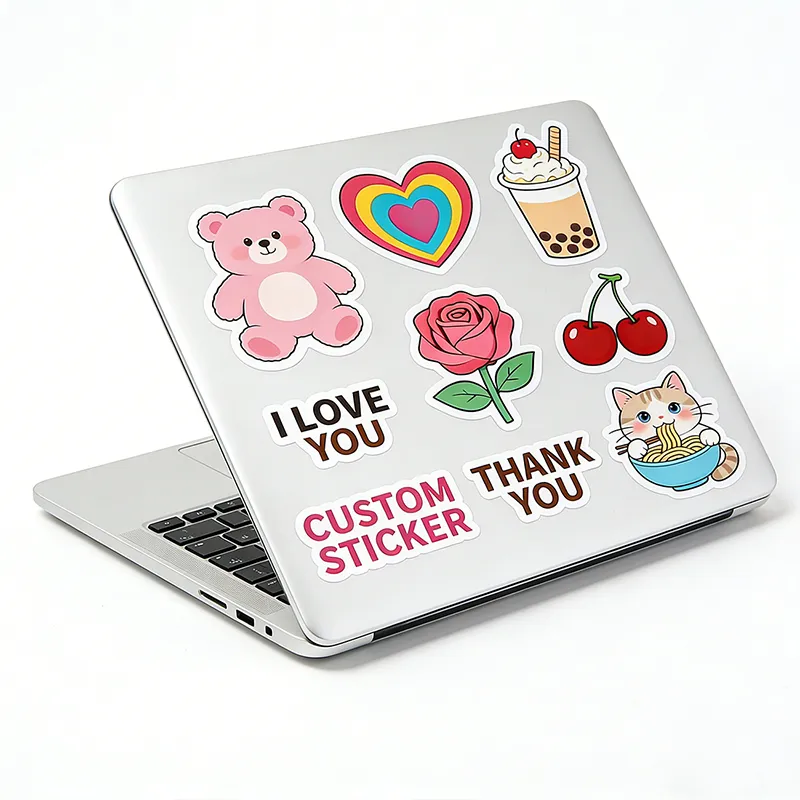
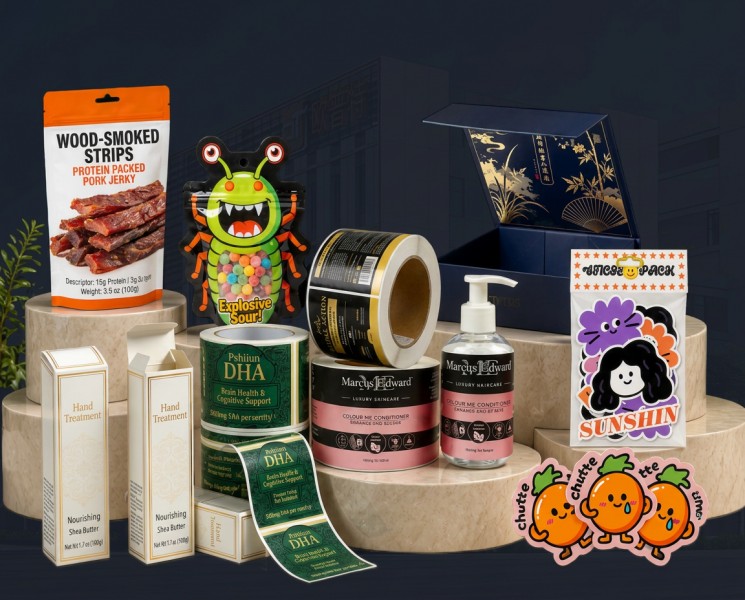
Selecting the right sticker label material is one of the most critical decisions you'll make when developing your product packaging strategy. The material you choose directly impacts durability, brand perception, customer satisfaction, and ultimately your bottom line. Whether you're launching a new product, redesigning existing packaging, or expanding into new markets, understanding the nuances of sticker label materials ensures your labels perform as intended in real-world conditions.
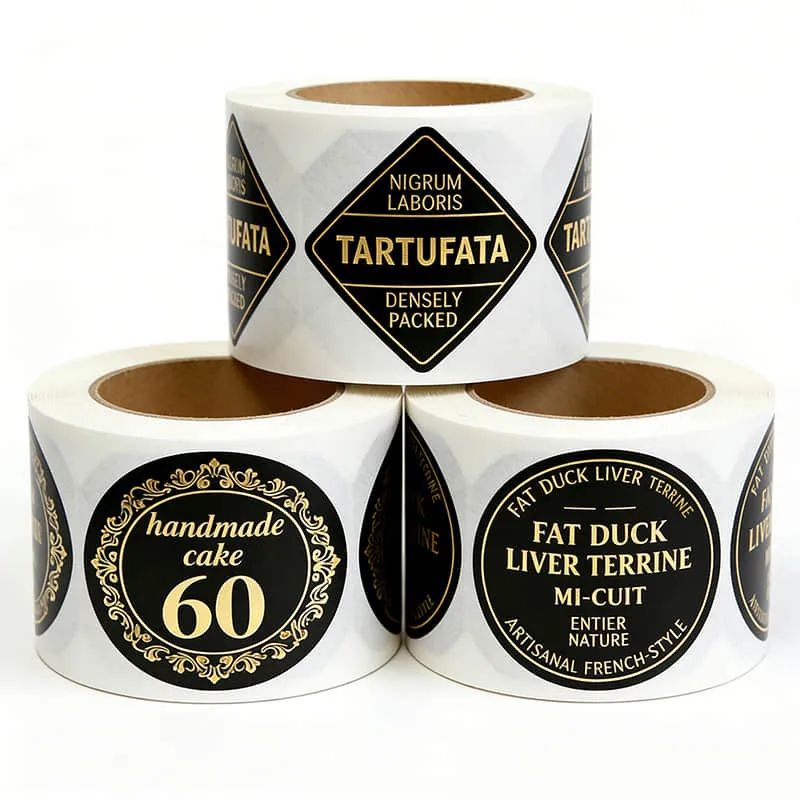
The material foundation of your sticker label determines how it interacts with your product, the environment, and consumer handling. From manufacturing facilities to retail shelves to end-user experience, your label material must withstand temperature fluctuations, moisture exposure, physical abrasion, and chemical contact depending on your product category. Selecting premium materials for custom label printing demonstrates investment in quality and protects your brand reputation in the marketplace.
Understanding Core Sticker Label Material Types
Film-Based Materials for Durability
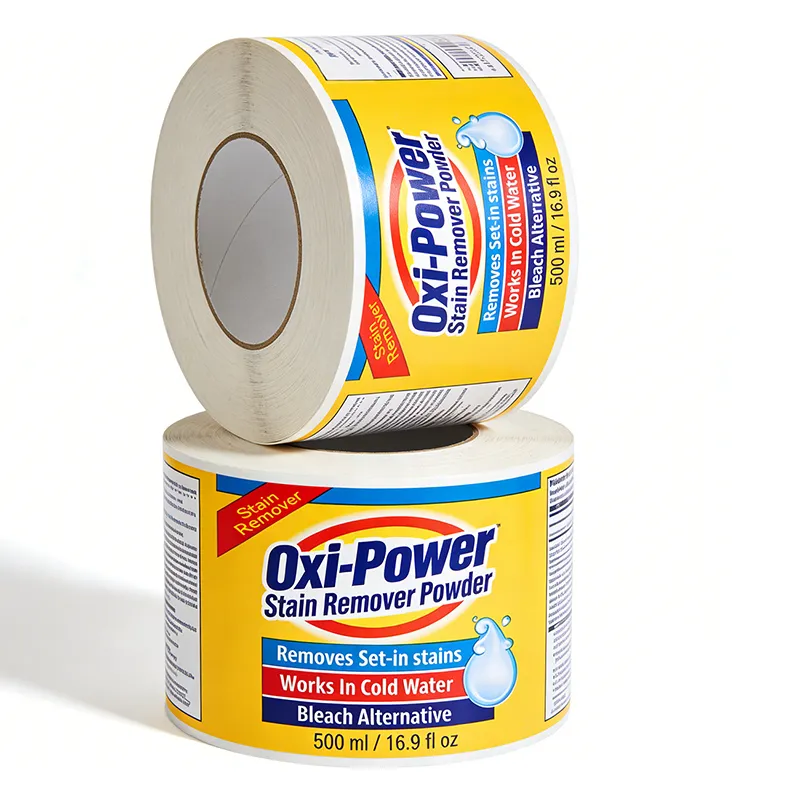
Film-based sticker label materials, including polypropylene, polyester, and vinyl, offer exceptional durability in demanding environments. These synthetic substrates resist moisture, heat, and chemicals far better than paper alternatives, making them ideal for products exposed to water, oils, or temperature extremes. Waterproof adhesive labels made from film materials maintain their bond integrity even when fully submerged or exposed to harsh conditions, ensuring your product information remains visible throughout the shelf life and consumer use.
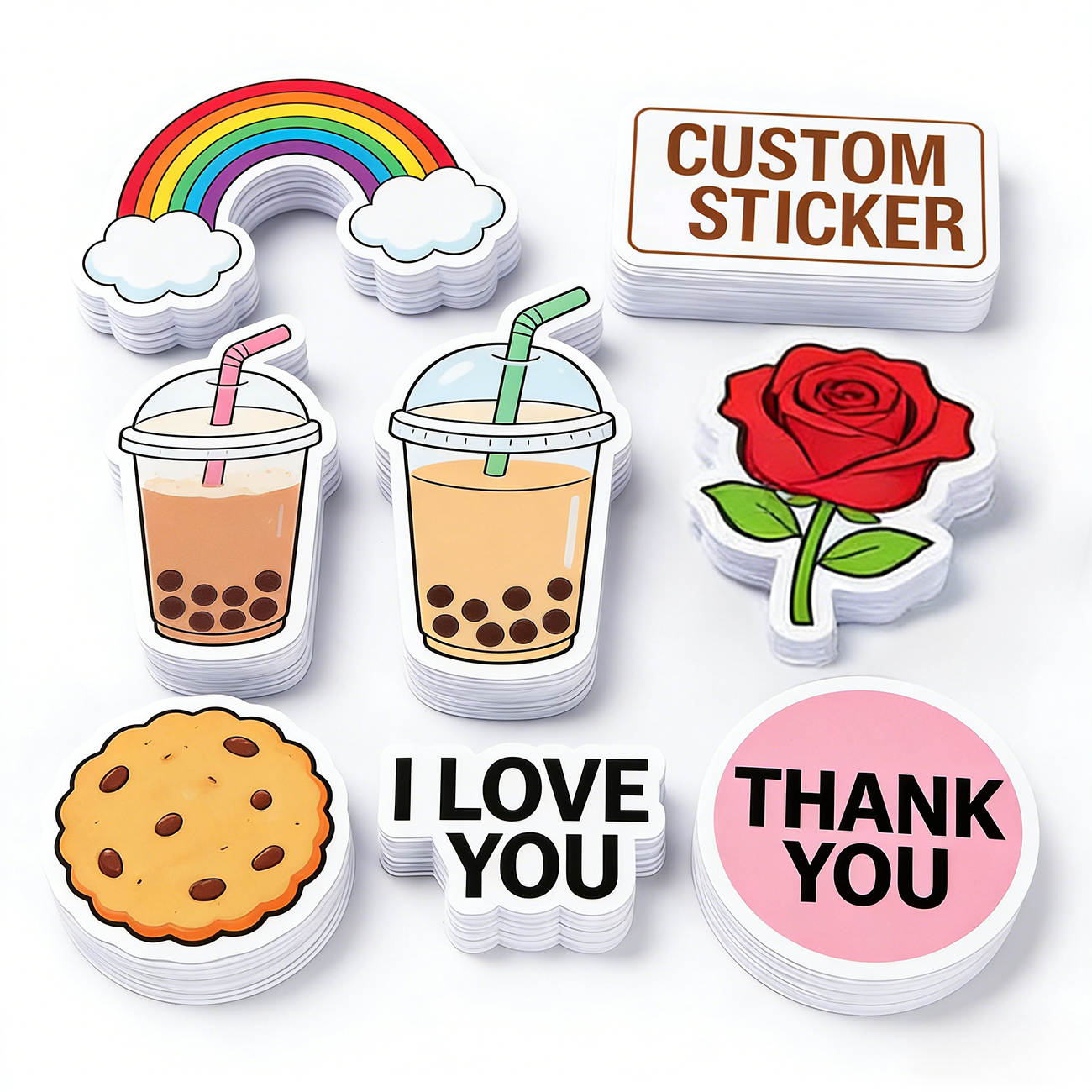
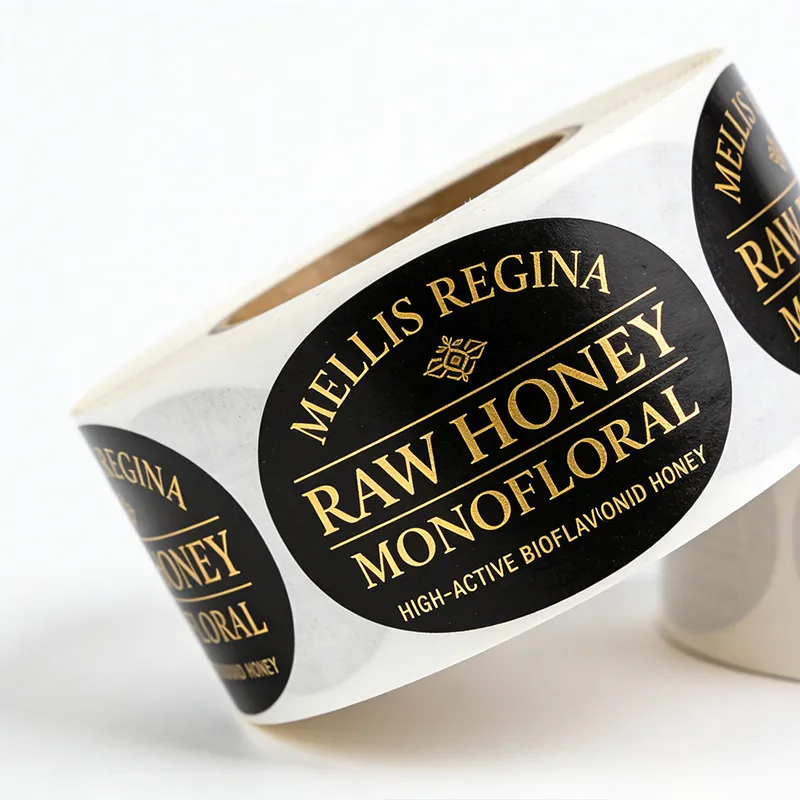
Polypropylene is a cost-effective choice offering good moisture resistance and flexibility, while polyester provides superior durability and dimensional stability under extreme temperatures. Vinyl offers premium waterproof performance but commands higher costs. When considering custom label printing on film materials, you gain the flexibility to create virtually any shape, incorporate vibrant colors, and add special finishes like metallic inks or holographic elements that enhance brand differentiation.
Paper and Natural Material Options
Paper-based sticker label materials remain popular for premium branding, sustainability initiatives, and indoor applications where moisture exposure is minimal. Kraft paper conveys eco-conscious values and artisanal appeal, while glossy or matte coated papers enable sophisticated product label design with excellent print quality and tactile appeal. Paper materials work effectively for beverage bottles, glass containers, and retail packaging in controlled environments but lack the performance characteristics of waterproof adhesive labels in challenging conditions.
Natural materials like cotton fiber blends or cellulose-based substrates appeal to environmentally conscious brands and premium market segments. These materials integrate sustainability messaging with visual premium quality, though they sacrifice moisture resistance and durability compared to synthetic alternatives. Custom label printing on paper materials typically requires specific adhesives formulated for paper compatibility, and the final label's performance depends significantly on environmental storage conditions before and after application.
Matching Material Selection to Application Requirements
Environmental Exposure Assessment
Your product's storage and use environment should drive material selection for both sticker label quality and longevity. Products stored in freezers or refrigerated conditions require waterproof adhesive labels that maintain adhesion at low temperatures, such as polypropylene or specialized film materials engineered for cold environments. Conversely, outdoor products or items exposed to direct sunlight benefit from UV-resistant film materials that prevent color fading and material degradation over months or years of environmental exposure.
Moisture exposure is perhaps the most critical environmental factor in custom label printing material selection. Beverages, personal care products, cleaning supplies, and automotive goods all require waterproof adhesive labels capable of resisting condensation, splashing, immersion, or high-humidity environments. Film-based materials naturally resist moisture penetration, while paper labels require additional water-resistant coatings or barrier layers to achieve comparable performance. Understanding your specific product's exposure profile prevents premature label deterioration and maintains brand integrity throughout the consumer experience.
Industry-Specific Performance Standards
Different industries impose distinct material performance requirements for product label design and functionality. Food and beverage companies must select materials compatible with FDA regulations, potential refrigeration or freezing, and direct contact with moisture and condensation. Pharmaceutical and medical device labels require materials meeting specific regulatory standards for chemical resistance, legibility retention, and traceability throughout the product lifecycle. Automotive and industrial products demand labels withstanding exposure to oils, solvents, extreme temperatures, and mechanical stress during manufacturing, shipping, and installation.
Cosmetics and personal care products benefit from premium sticker label materials that convey luxury and quality while resisting moisture from bathroom environments and product contact. Specialty finishes like metallic inks, holographic effects, or embossing enhance perceived value in custom label printing for beauty and fragrance categories. Electronics and technology products require labels maintaining adhesion through thermal cycling, humidity fluctuations, and potential static discharge exposure, making specialized polyester or vinyl materials optimal choices for product label design in this sector.
Making Your Final Material Decision
Balancing Cost and Performance
Material selection for your sticker label ultimately reflects a balance between performance requirements, brand positioning, and budget constraints. Premium film materials and waterproof adhesive labels command higher costs per unit but deliver superior durability, extended shelf life, and enhanced brand perception. Paper-based custom label printing options reduce material costs but may necessitate higher production volumes or replacement frequencies if environmental conditions prove challenging than anticipated. Calculate total cost of ownership including potential recalls, customer complaints, or reprint requirements when evaluating seemingly inexpensive material alternatives.
Small batch testing and real-world performance evaluation prove invaluable before committing to high-volume custom label printing contracts. Request sample sticker label materials from potential suppliers and subject them to your product's actual storage, shipping, and end-use conditions. This practical validation ensures your chosen material performs reliably and protects your brand reputation across all customer touchpoints and application scenarios.
Working with Label Material Experts
Experienced label suppliers and manufacturers provide critical guidance on matching sticker label materials to your specific product requirements, brand objectives, and market conditions. Professional product label design services integrate material selection recommendations with visual identity development, ensuring coherent execution from concept through production. Consultative partnerships with custom label printing providers yield better long-term outcomes than transactional vendor relationships, particularly for products exposed to challenging environmental conditions or requiring specialized waterproof adhesive labels.
Your label material choice represents an ongoing brand investment, not a one-time tactical decision. Regular review of label performance in market, customer feedback regarding durability, and evolving product requirements may necessitate material adjustments over time. Maintaining collaborative relationships with experienced label partners ensures your sticker label materials continue meeting performance standards and brand positioning objectives as your business grows and market conditions evolve.
FAQ
What waterproof adhesive labels work best for beverage products?
Polypropylene and polyester film materials with waterproof adhesive labels are ideal for beverages because they resist condensation, immersion, and label peeling during refrigeration or cold storage. These sticker label materials maintain strong adhesion even when fully submerged or exposed to continuous moisture. Specialized vinyl or coated paper options with water-resistant barriers also function well, though film materials generally outperform paper alternatives in this demanding application.
How do I determine if custom label printing requires waterproof adhesive labels?
Assess whether your product will encounter moisture, temperature extremes, chemical exposure, or outdoor conditions during storage, shipping, or end use. If any of these environmental factors apply, waterproof adhesive labels become essential for maintaining label integrity and legibility. Additionally, consider your product shelf life and whether moisture accumulation will occur in typical storage environments. When uncertainty exists, film-based sticker label materials provide safer performance margins than paper alternatives, reducing risk of label failure in market.
Can paper materials work for product label design in high-moisture environments?
Paper materials can function in moisture-exposed applications when specially treated with water-resistant coatings or barrier layers, though performance typically remains inferior to film-based alternatives. Coated or laminated paper sticker label options provide moderate moisture resistance suitable for occasional splashing or humidity, but sustained condensation or immersion often causes deterioration. For maximum reliability in high-moisture environments, film-based custom label printing materials deliver superior performance, extended durability, and reduced replacement risk compared to treated paper options.