 EN
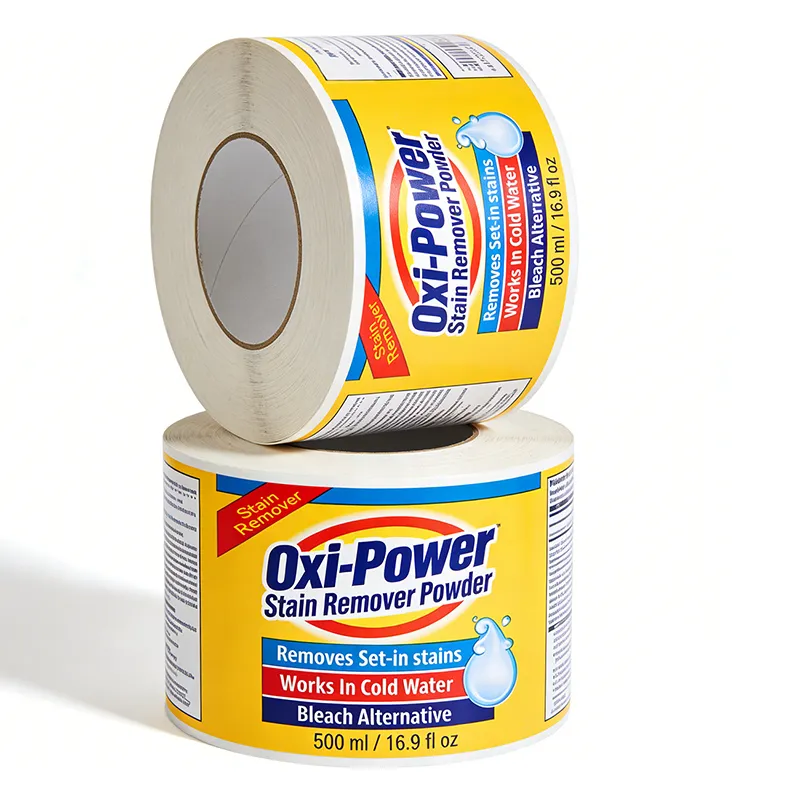
Ordering a custom print label requires careful planning and understanding of multiple technical and operational factors. Whether you're launching a new product line, rebranding your packaging, or implementing a labeling system for logistics, the decisions you make during the ordering process will directly impact your brand presentation, operational efficiency, and overall product performance. A well-executed print label strategy considers material selection, adhesive properties, printing technology, design specifications, and production timelines to ensure your final product meets both aesthetic and functional requirements.
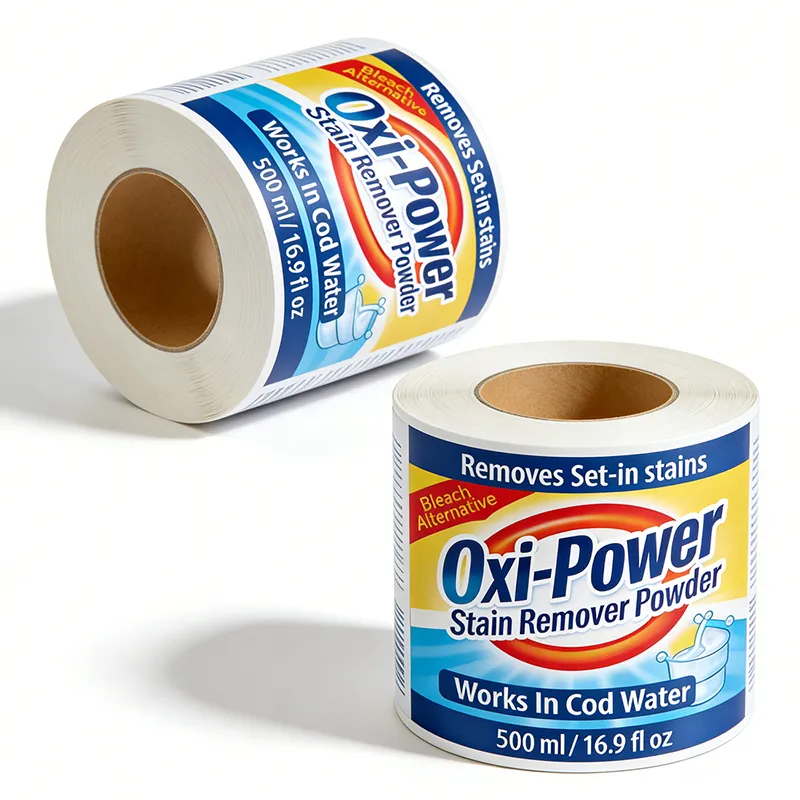
Before committing to a custom print label order, you should evaluate your specific use case, understand the capabilities and limitations of different printing technologies, and establish clear communication with your label supplier. The process involves more than selecting colors and artwork; it demands knowledge of substrate materials, adhesive strengths, environmental resistance, and regulatory compliance. This comprehensive approach ensures your investment in custom labeling delivers measurable value and aligns with your business objectives.
Understanding Your Label Printing Technology Options
Digital Versus Offset Printing for Custom Labeling
Your choice of printing technology significantly influences cost, turnaround time, and quality outcomes for your custom print label projects. Digital printing excels for shorter runs, variable data printing, and rapid prototyping because it eliminates setup costs associated with traditional printing plates. However, offset printing becomes more economical for large-volume orders due to lower per-unit costs once initial setup expenses are distributed across higher quantities. Understanding these trade-offs helps you select the approach that balances your production volume, budget constraints, and timeline requirements.
Thermal Label Printing for Logistics and Shipping
Thermal label printing technology deserves special consideration if your labels will be used in warehousing, shipping, or inventory management applications. This technology prints directly onto specially treated label materials without requiring ink cartridges, resulting in faster printing speeds and reduced operational costs. Thermal label printing produces durable, smudge-resistant output ideal for barcodes, tracking information, and shipping labels that must withstand handling during transit. When evaluating thermal label printing capabilities, confirm your supplier's equipment specifications and ensure compatibility with your existing barcode systems and software infrastructure.
Material Selection and Adhesive Considerations
Substrate Materials for Different Applications
The material backing your print label determines its performance in specific environments and applications. Paper-based substrates work well for indoor product labeling where moisture exposure is minimal, but they deteriorate quickly in wet, oily, or extreme temperature conditions. Synthetic materials like polypropylene and vinyl provide superior durability for industrial settings, refrigerated environments, or outdoor storage. Metallic and specialty substrates enhance premium brand perception for luxury products but come with higher costs. Your custom label design should account for the specific material characteristics that best suit your product's storage conditions, shelf life, and handling requirements.
Adhesive Strength and Application Surface Compatibility
Adhesive selection directly impacts whether your print label stays securely attached throughout its intended lifespan. Permanent adhesives work for standard packaging where label removal is not required, while removable adhesives suit promotional labels or applications where customers might want to reuse containers. The surface texture of your packaging—smooth plastic, textured cardboard, glass, or metal—influences adhesive performance significantly. Before finalizing your custom label design specifications, test your chosen adhesive on the actual substrate you'll be labeling. Cold-temperature applications require specialized low-tack adhesives, while high-heat environments demand heat-resistant formulations that maintain bond strength without degrading.
Design Specifications and Regulatory Compliance Requirements
Technical Design Specifications and Bleed Margins
Proper design specifications prevent costly printing errors and ensure your custom print label appears exactly as intended. Include adequate bleed margins—typically 0.125 inches beyond your final cut line—to account for minor cutting variations during production. Color mode selection matters: design in CMYK for offset and digital printing, not RGB, to ensure accurate color reproduction on physical labels. Your label printer will specify resolution requirements, typically 300 DPI minimum for photographic quality and 1200 DPI for fine text. Resolution below these thresholds results in pixelation and blurred edges that undermine professional appearance. File format specifications from your supplier—whether they accept PDF, AI, or specific vector formats—must be followed precisely to avoid production delays.
Regulatory Compliance and Information Requirements
Your print label must comply with industry-specific regulations and legal requirements applicable to your product category and target markets. Food labels require specific ingredient listings, allergen warnings, and nutritional information formatted according to FDA guidelines. Chemical products need safety data information and hazard symbols. Pharmaceutical labels demand lot numbers, expiration dates, and dosage instructions in prescribed formats. International shipments require multilingual labeling and country-specific compliance information. Regulations change periodically, so verify current requirements with regulatory bodies before submitting your custom label design to your printer. Non-compliant labels can result in product recalls, legal penalties, and brand damage far exceeding initial printing costs.
Production Timeline and Quality Assurance Processes
Lead Times and Production Scheduling Considerations
Understanding production timelines ensures your print label arrives when you need it, preventing supply chain disruptions. Simple single-color label printer jobs might require just 5-7 business days, while complex multi-color custom label design projects with specialty materials can extend to 2-3 weeks. Rush printing options exist but typically cost 50-100% premiums. Account for proof approval time—most quality-focused suppliers require your sign-off on color proofs before full production begins. Build buffer time into your ordering schedule to accommodate unforeseen issues. Communicating your actual need date versus preferred receive date allows your label printer to optimize production scheduling and potentially reduce costs.
Quality Control Checkpoints and Print Testing
Reputable label printers implement multiple quality checkpoints throughout production to catch defects before labels reach you. Pre-production processes include artwork verification, color matching, and substrate quality inspection. During production, press operators monitor color consistency, registration accuracy, and cutting precision. Post-production quality control verifies adhesive strength, dimensional accuracy, and print clarity before shipment. Request samples from your label printer before committing to large orders—this allows testing on your actual packaging and verifying color accuracy under your lighting conditions. For mission-critical applications like pharmaceutical or food labeling, consider requesting batch testing reports or certifications proving quality standards were met.
FAQ
What substrate material is best for my custom print label needs?
The ideal substrate depends entirely on your application environment. Paper works for standard retail products stored indoors, while synthetic materials like polypropylene suit wet or temperature-variable conditions. Food labels often use kraft paper or glossy film substrates, while industrial applications benefit from durable vinyl. Consult your label printer about your specific storage and handling conditions to receive substrate recommendations aligned with your use case.
How do I choose between digital printing and thermal label printing?
Choose thermal label printing for high-volume shipping labels, barcodes, and logistics applications where speed and cost efficiency matter most. Select digital printing for shorter runs, variable data printing, or complex custom label design with photographs and gradients. Discuss volume projections and timeline requirements with your label printer to determine which technology provides better value for your specific order.
What information should I verify before submitting my custom label design?
Confirm your design includes proper bleed margins, uses CMYK color mode, meets regulatory requirements for your product category, specifies correct file format, and achieves adequate resolution. Verify all text is spell-checked and legally accurate. Request design review from your label printer to catch errors before production begins, preventing costly reprints and shipping delays.