 EN
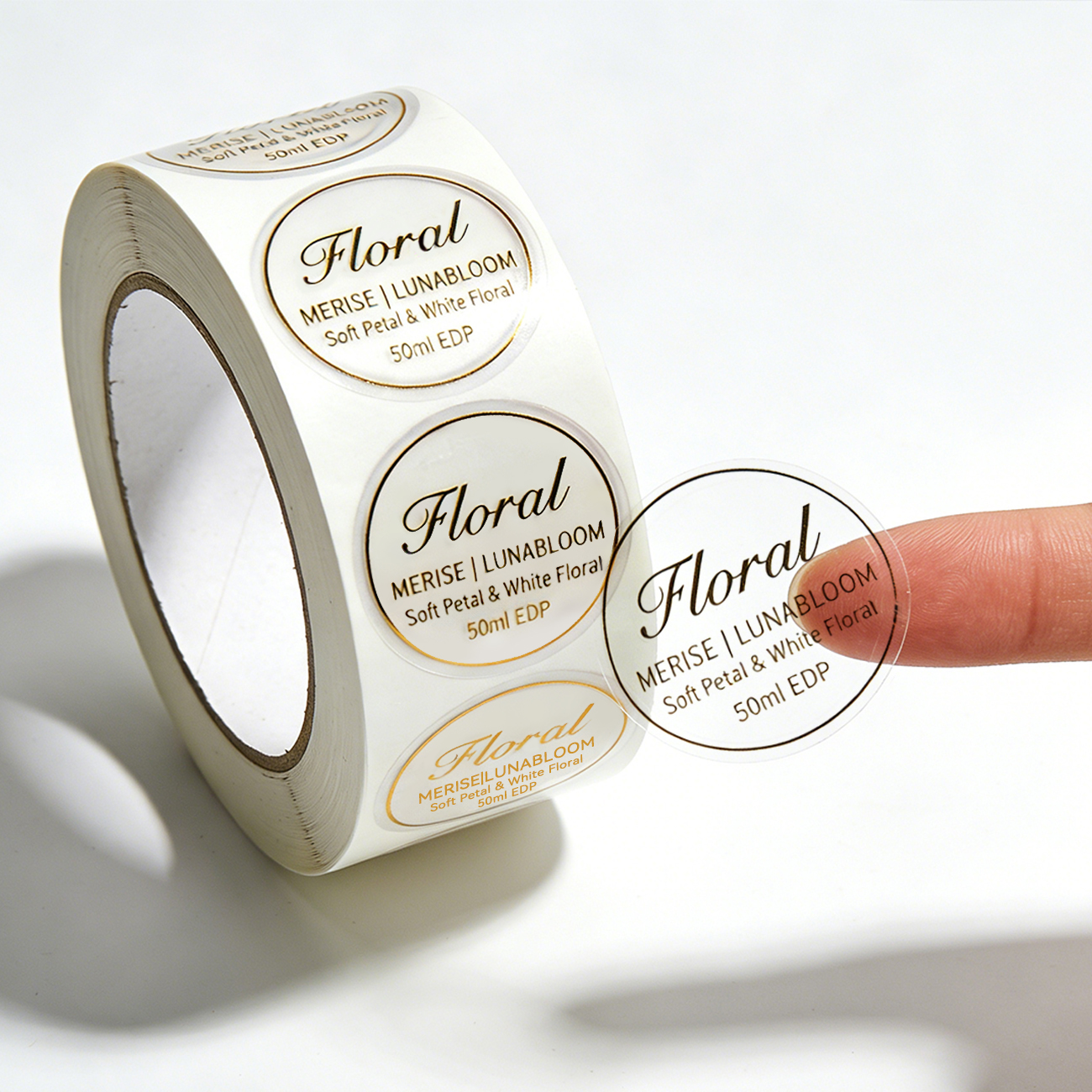
Effective packaging requires more than just attractive design—it demands precision, compliance, and durability. Label printing has become essential for food, beverage, and cosmetic brands seeking to differentiate products while meeting regulatory standards. Whether you're launching a new product line or refreshing existing packaging, understanding modern label printing solutions helps you make informed decisions about material quality, printing technology, and design flexibility.
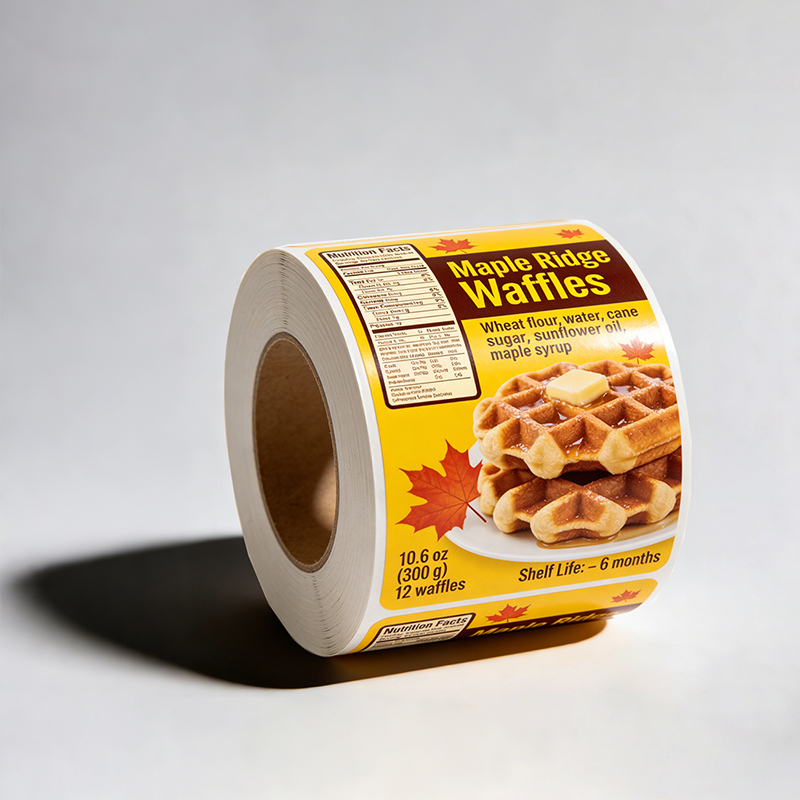
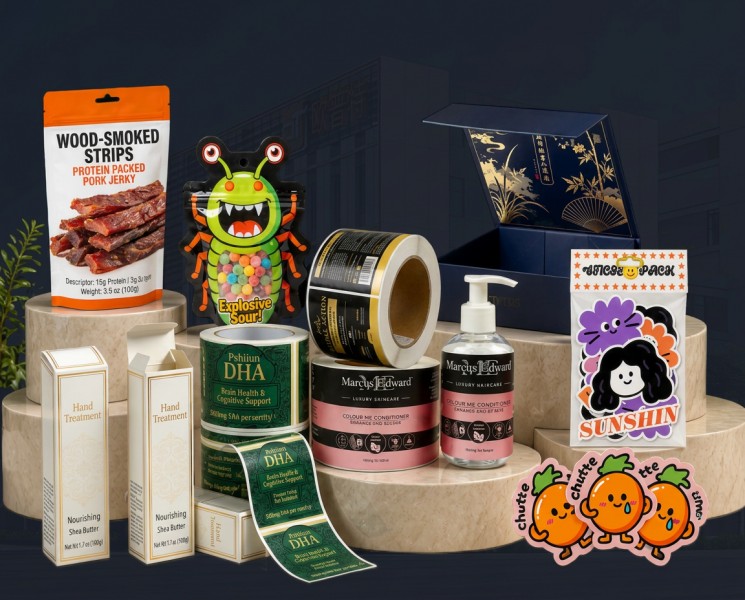
The packaging industry continues to evolve, with brands increasingly investing in high-quality custom label design and barcode label solutions. Modern thermal label printing technology delivers consistent results across high-volume production runs while maintaining cost efficiency. For manufacturers in food, beverage, and cosmetic sectors, selecting the right label printing partner directly impacts brand perception, regulatory compliance, and supply chain efficiency.
Custom Label Design and Material Selection
Tailoring Labels to Brand and Product Requirements
Custom label design begins with understanding your product category and target market. Food and beverage labels must balance visual appeal with practical functionality—they need to communicate product benefits, ingredient information, and nutritional data clearly. Cosmetic labels, by contrast, often emphasize luxury positioning and brand storytelling while still meeting regulatory disclosure requirements. A professional custom label design approach integrates these competing demands seamlessly.
Material selection plays a critical role in label performance. Freezer-grade materials withstand extreme cold and moisture without peeling or degrading, making them ideal for frozen food products. Oil-resistant coatings protect labels on beauty and personal care items stored in humid bathroom environments. Pressure-sensitive adhesives ensure labels remain securely attached through shipping, handling, and end-use, regardless of substrate type or storage conditions.
Design Flexibility and Production Efficiency
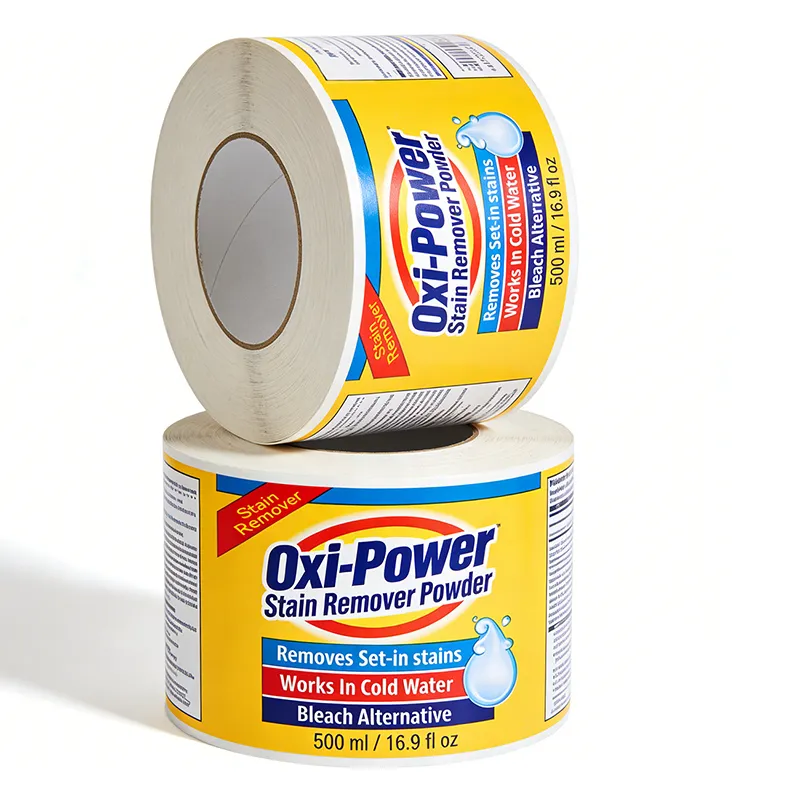
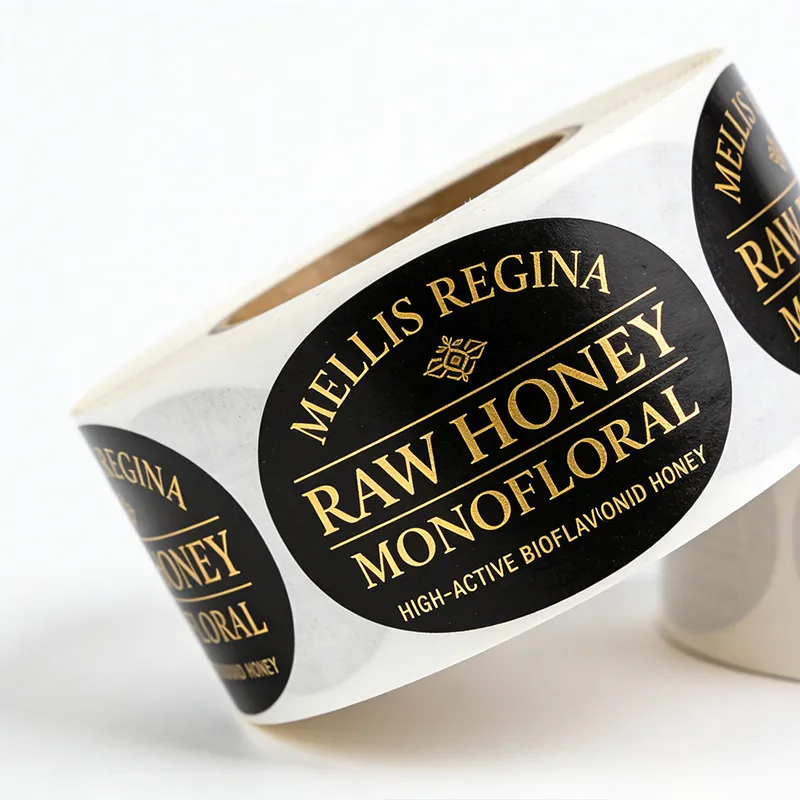
Modern label printing technology allows brands to combine consistency with customization. Variable data printing enables serial numbers, batch codes, or lot tracking on each label without slowing production speed. Metallic inks, holographic elements, and special finishes create premium shelf presence for high-value cosmetic and beverage products. Roll-label formats optimize material usage and reduce per-unit costs while maintaining design complexity and visual quality.
Barcode Label Solutions and Regulatory Compliance
Integration of Barcode Technology in Packaging
Barcode label solutions have moved beyond basic inventory tracking to become essential supply chain infrastructure. Modern barcode systems now encode product variants, expiration dates, and distribution chain information directly into scannable formats. For food and beverage manufacturers, accurate barcode label solutions ensure traceability, reduce checkout errors, and support rapid product recalls if safety issues emerge. Cosmetic brands rely on barcodes to authenticate products and prevent counterfeit distribution through unauthorized channels.
Implementing barcode label solutions requires precision in printing resolution and placement. Two-dimensional QR codes now complement traditional linear barcodes, allowing consumers to access detailed product information, usage instructions, or promotional content via smartphone scanning. Label printing technology must maintain print density and contrast consistency across production runs to ensure barcode readability at retail checkout and warehouse scanning points.
Compliance Standards Across Product Categories
Each product category enforces specific labeling regulations that barcode label solutions must accommodate. Food and beverage labels require allergen declarations, nutritional panels, and country-of-origin statements positioned consistently across all SKUs. Cosmetic regulations vary by region—the European Union, United States, and Asia-Pacific markets each impose distinct ingredient disclosure and warning label requirements. Professional barcode label solutions anticipate these variations, enabling brands to maintain label consistency while meeting jurisdiction-specific compliance demands.
Thermal Label Printing Technology and Production Scalability
Direct Thermal and Thermal Transfer Printing Methods
Thermal label printing encompasses two distinct technology approaches, each suited to different production volumes and label types. Direct thermal printing applies heat directly to chemically treated label stock, eliminating the need for ink ribbons and delivering sharp, detailed output for moderate-volume production. This method works well for shipping labels, cold storage identification, and variable-data applications where production runs span hundreds to thousands of units per day.
Thermal transfer printing uses heat-activated ink ribbons to transfer imagery onto label material, supporting higher print density and color complexity than direct thermal methods. This thermal label printing approach excels for high-volume cosmetic and beverage label production where color fidelity and design intricacy drive brand differentiation. Thermal transfer technology accommodates specialty materials—metallic stocks, synthetic films, and treated surfaces—that direct thermal cannot process effectively.
Speed, Consistency, and Cost Optimization
Thermal label printing technology delivers production speed that inline manufacturing environments demand. Modern thermal printers produce label output at speeds exceeding 150 millimeters per second, enabling high-speed lines to operate efficiently without bottlenecks. Consistent print quality across extended production runs reduces waste and rework, directly lowering per-unit label costs. For food, beverage, and cosmetic manufacturers operating 24-hour production cycles, thermal label printing reliability and minimal maintenance requirements translate to measurable operational advantages.
Selecting the appropriate thermal label printing system requires matching printer capabilities to your production volume, material specifications, and label design complexity. Roll-based label systems minimize changeover time when producing multiple SKUs, while pre-cut sheet options provide flexibility for specialty packaging or short-run projects. Integration with production line software enables real-time data capture and automatic barcode label solutions positioning, ensuring regulatory compliance without manual intervention.
FAQ
What makes custom label design essential for competitive food and beverage packaging?
Custom label design communicates brand identity, product differentiation, and regulatory compliance in a single visual element. Food and beverage consumers make purchasing decisions based partly on label appeal, ingredient transparency, and perceived quality. Professional custom label design balances aesthetic impact with functional clarity, ensuring labels support brand positioning while meeting strict food safety and nutritional disclosure requirements across all sales channels.
How do barcode label solutions prevent supply chain errors and product recalls?
Barcode label solutions encode lot numbers, batch codes, and expiration dates directly into scannable formats, enabling real-time inventory tracking and rapid product identification. When safety issues emerge, accurate barcode label solutions allow manufacturers to isolate affected batches quickly, reducing recall scope and protecting consumer safety. This traceability also deters counterfeit products in high-value cosmetic and beverage markets, protecting brand reputation and revenue.
Why should cosmetic and food manufacturers choose thermal label printing over conventional methods?
Thermal label printing technology delivers consistent output at high production speeds while minimizing maintenance downtime and operational complexity. Unlike conventional inkjet or laser printing, thermal systems require no consumable inks or toner, reducing ongoing supply costs and waste. For manufacturers running extended production cycles, thermal label printing reliability and compatibility with specialty label materials make it the preferred choice for premium cosmetic and food packaging applications.