 EN
EN
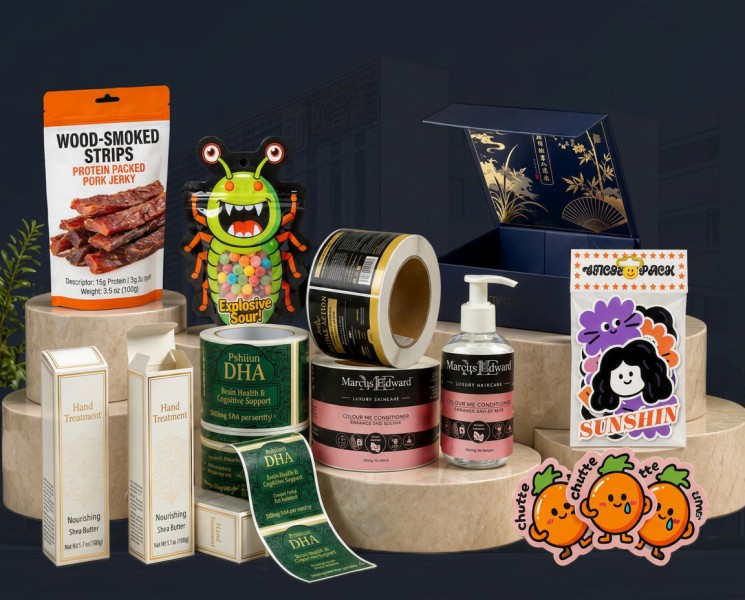
Private label packaging represents a significant growth opportunity for retailers and distributors seeking to build brand identity and increase profit margins. However, the success of private label products depends heavily on professional, compliant, and visually compelling label printing that communicates brand value effectively. OEM label printing solutions provide the technical expertise, production capacity, and quality control necessary to transform private label packaging from a cost center into a competitive differentiator. Understanding how label printing integrates into private label strategy reveals why choosing the right label printing partner directly impacts market success and customer perception.
OEM label printing manufacturers operate at scale and precision that in-house departments cannot match economically. These specialized providers maintain advanced printing equipment, regulatory expertise, inventory management systems, and quality assurance protocols specifically designed for high-volume label printing. By outsourcing label printing to OEM specialists, private label brands reduce operational complexity, accelerate time-to-market, and access capabilities that would otherwise require significant capital investment and specialized hiring.
How OEM Label Printing Enables Brand Differentiation
Creating Distinctive Visual Identity Through Label Printing
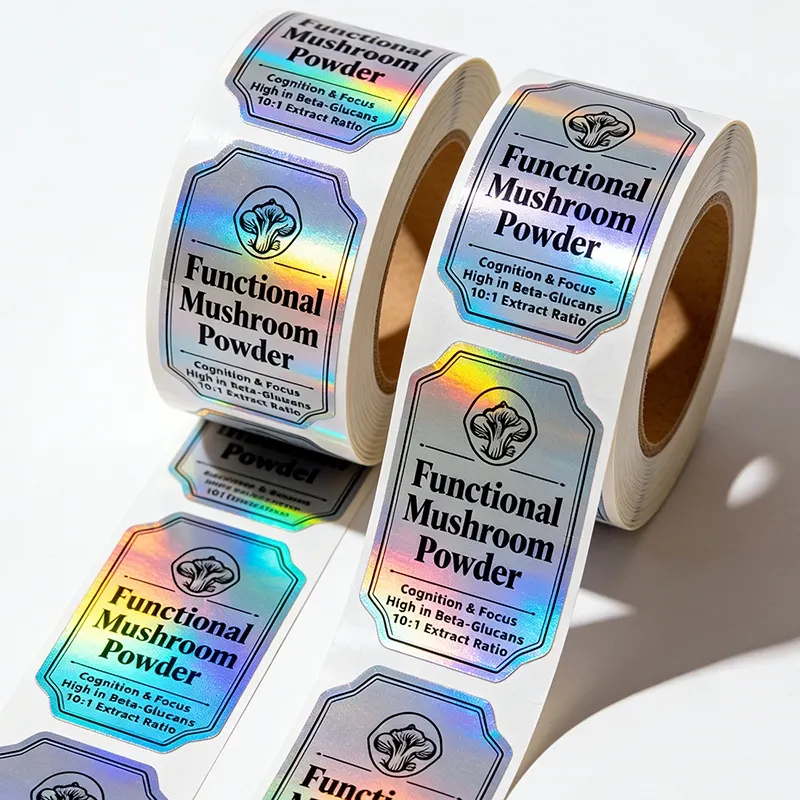
Label printing serves as the primary visual touchpoint between a product and consumer on retail shelves. OEM label printing solutions offer customization depth that allows private label brands to develop distinctive aesthetics without competing on the same visual language as national brands. Advanced label printing techniques including variable data printing, spot colors, specialty finishes, and multi-layer construction enable private label brands to establish brand recognition within category context.
The quality of label printing directly influences perceived product value and consumer purchase decisions. Research in packaging perception demonstrates that professional label printing increases perceived quality by up to forty percent compared to standard printing approaches. OEM label printing providers invest in state-of-the-art equipment and skilled technicians to ensure color accuracy, print sharpness, and material consistency across every production run, reinforcing brand identity with every unit sold.
Compliance and Regulatory Requirements in Label Printing
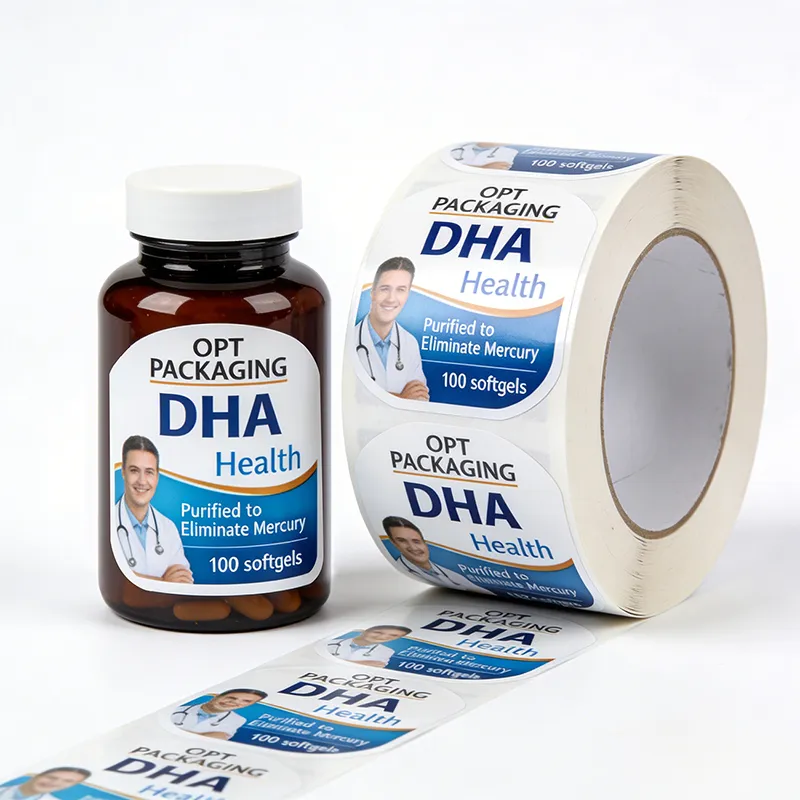
Regulatory compliance represents a complex and evolving challenge for private label products across food, beverage, personal care, and pharmaceuticals. OEM label printing specialists maintain current knowledge of FDA labeling requirements, ingredient disclosure rules, nutritional statement formatting, allergen protocols, and country-specific regulations that impact label printing design and content placement. This expertise reduces the risk of costly compliance failures, product recalls, and regulatory penalties that can devastate private label brand reputation.
Professional label printing workflows include compliance checking at multiple stages, from design approval through final production. OEM label printing teams verify barcode placement, expiration date formatting, warning statements, and language requirements before any labels enter the supply chain. This systematic approach to label printing quality control protects private label brands from regulatory liability and enables confident market entry across diverse sales channels.
Operational and Cost Advantages of OEM Label Printing
Scalability and Production Efficiency in Label Printing
Private label brands often experience unpredictable demand fluctuations as market conditions shift and retail assortments change. OEM label printing providers maintain flexible production capacity and rapid turnaround capabilities that allow brands to respond to demand signals without maintaining excessive inventory or missing sales opportunities. This operational flexibility transforms label printing from a bottleneck into a competitive advantage.
The economic model of specialized label printing manufacturers differs fundamentally from in-house production. OEM label printing leverages shared equipment, standardized workflows, and economies of scale across multiple customer accounts, reducing per-unit costs significantly. For private label brands requiring variable order quantities or testing new SKU variations, this cost structure enables experimentation and market testing that would be prohibitively expensive with internal label printing infrastructure.
Supply Chain Integration and Just-in-Time Label Printing
Modern private label operations depend on synchronized supply chains where label printing timing directly affects product availability and retail fulfillment. OEM label printing providers integrate with inventory management systems, enabling just-in-time label production that minimizes working capital requirements while ensuring consistent product availability. This integration means that label printing capacity no longer constrains production scheduling, allowing private label brands to maintain leaner inventory positions.
Advanced OEM label printing facilities maintain real-time production tracking, digital file management, and automated quality reporting that provide supply chain visibility across the entire production cycle. Private label brands receive advance notice of label printing completion, enabling coordinated logistics planning and predictable delivery schedules. This level of coordination between label printing operations and fulfillment centers strengthens the entire private label supply chain.
Technical Capabilities and Material Innovation in Label Printing
Specialty Materials and Performance Requirements in Label Printing
Different product categories demand specific label printing material properties that affect durability, appearance, and regulatory compliance. Frozen food products require label printing on materials that withstand extreme cold without adhesive failure or print degradation. Beverage products need label printing on materials that resist moisture and condensation while maintaining visual clarity. Pharmaceutical and personal care products require label printing on materials that provide tamper evidence, serialization capabilities, and anti-counterfeiting features.
OEM label printing manufacturers maintain relationships with specialty material suppliers and possess application expertise across product categories. This technical knowledge enables private label brands to select the appropriate label printing material for their specific end-use conditions, extending shelf appeal and product protection throughout the distribution cycle. Material innovation in label printing continues to expand with new options for sustainability, performance, and functionality that differentiate private label offerings.
Digital Printing and Customization Opportunities in Label Printing
Digital label printing technology enables variable data capabilities that static flexographic label printing cannot achieve economically. Private label brands leverage digital label printing for regional product customization, limited edition variations, personalized packaging for premium offerings, and rapid SKU launches without setup costs or minimum order quantities. This technological flexibility positions label printing as a strategic asset for brand innovation rather than a commoditized production requirement.
The convergence of digital label printing with data integration enables emerging applications including track-and-trace systems, QR codes, augmented reality features, and dynamic information updates. OEM label printing providers invest in these technologies to offer private label brands advanced differentiation capabilities that command consumer attention and build brand loyalty through enhanced user experiences.
FAQ
What factors should guide selection of an OEM label printing partner?
Effective OEM label printing partner selection requires evaluating technical capabilities, quality systems, compliance expertise, production capacity, responsiveness, and cultural alignment. Assess the label printing provider's experience within your product category, their technology investments, certifications, and track record with comparable brands. Request references from existing customers and conduct production facility audits to verify label printing standards, equipment maintenance, and quality control processes before committing to partnership.
How does label printing impact product cost structure for private labels?
Label printing costs typically represent three to eight percent of total product cost depending on material complexity, design sophistication, and order volume. OEM label printing economies of scale reduce per-unit costs significantly compared to in-house production, improving private label profit margins. Additionally, reduced inventory requirements and minimized waste through professional label printing generate secondary cost savings that extend beyond the direct label printing expense.
Can label printing support rapid product development cycles?
Professional OEM label printing enables accelerated product development through rapid prototype production, digital design proofing, and flexible production scheduling. Label printing turnaround times of two to three weeks allow private label brands to conduct consumer testing, market validation, and product iteration cycles that would be impossible with traditional printing lead times. This capability transforms label printing from a constraint into an enabler of innovation-driven private label strategies.