 EN

Selecting a print label factory is a sourcing decision that affects packaging fit, data accuracy, and production continuity. Buyers should compare how the factory translates product requirements into finished labels, not just review a sample image. Assessing label printing software, barcode label design, and thermal label printer compatibility early helps reveal whether its process can support your actual workflow.
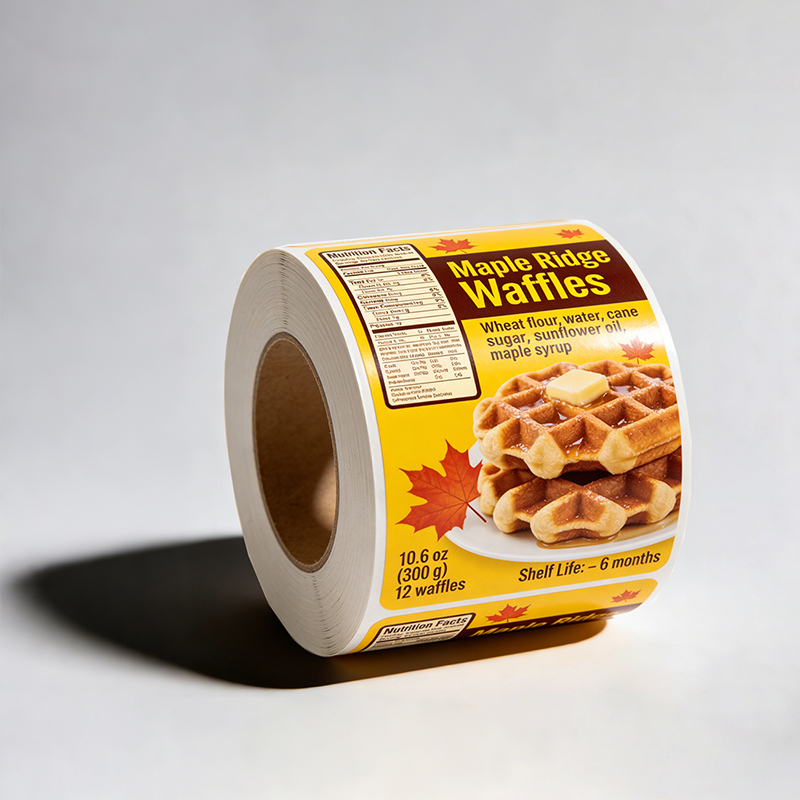
A useful comparison starts with the application: surface, temperature, handling, storage, and required information. Ask each factory how it evaluates those conditions and what specifications it needs from your team. Discuss label printing software, barcode label design, and thermal label printer requirements alongside material and adhesive choices, so proposals reflect a workable production environment rather than assumptions.
Compare application fit and label construction
Match materials to the real operating environment
Begin with the package and its journey through storage, transport, and use. A label intended for frozen food, for example, may face moisture, low temperatures, and repeated handling. Ask how the factory checks facestock, adhesive, and finish against these conditions. Consider whether label printing software can capture the correct product details, whether barcode label design leaves room for readable codes, and whether a thermal label printer is part of the end-use workflow.
Provide samples or clear descriptions of the application rather than relying on a broad material name. Confirm the package surface, application temperature, exposure duration, and expected shelf conditions. Then ask how proposed constructions address each requirement and what validation is appropriate. Label printing software should preserve approved content, barcode label design should account for quiet zones and placement, and thermal label printer needs should inform choices about label format and print method.
Review dimensions, finish, and converting details
Compare finished dimensions, roll direction, core size, unwind orientation, and any finishing requirements against your line equipment. These details can determine whether labels feed consistently and arrive ready for application. Ask for written specifications and sample rolls when the format is unfamiliar. Check that label printing software supports the intended layout, barcode label design fits the printable area, and a thermal label printer can handle the supplied stock as intended.
A visual proof is useful, but it does not settle every production question. Inspect text hierarchy, contrast, color expectations, and the positioning of variable information on a physical sample. Clarify tolerances for dimensions and registration, then document which proof version is approved. The factory should explain how label printing software controls artwork changes, how barcode label design is checked before release, and which thermal label printer specifications matter if you print variable data in-house.
Compare data workflow and print compatibility
Trace artwork and variable information from approval to production
Map the steps from artwork submission through proof approval, production, and replenishment. Ask who owns each review, how revisions are recorded, and how obsolete files are prevented from returning to production. Label printing software can support consistent templates, but the factory should describe its file handoff and approval controls. Review barcode label design for the data fields and formats you use, and discuss thermal label printer setup where internal printing is required.
For variable data, establish how product codes, lot details, dates, or other required fields are supplied and verified. Buyers should clarify whether data is merged by their team or handled during production, and how changes are authorized. Ask whether label printing software preserves a controlled master, whether barcode label design is checked against supplied data, and whether a thermal label printer can reproduce the intended variable content on compatible stock.
Request a sample using representative content, including the longest product name or most demanding code. Confirm readability at the intended scan distance and under the expected lighting and handling conditions. This practical test can expose layout issues before a full order. Check that label printing software exports the right files, barcode label design remains legible at the selected size, and thermal label printer settings do not compromise the result when labels are printed at your facility.
Check equipment and systems compatibility
Do not assume that similar equipment names mean identical operating requirements. Share printer models, label dimensions, core measurements, and any software or file-format constraints before requesting a final specification. A factory should respond with clear questions where information is missing. Compare how label printing software exchanges artwork, how barcode label design aligns with scanner and system needs, and how a thermal label printer interacts with the chosen material and roll construction.
Separate the factory’s production capabilities from your own downstream printing needs. If labels arrive preprinted but require added data, identify which areas remain available and whether the stock suits your device. Ask for a test roll when practical. Confirm that label printing software produces repeatable files, barcode label design reserves a suitable variable-data area, and the thermal label printer can feed and print on the proposed format without untested assumptions.
Agree on a simple acceptance check before ordering: compare the approved proof, physical sample, and final specification. Include any scan checks or application trials that matter to your operation. Record the result so future orders have a reference. This aligns label printing software versions with approved artwork, keeps barcode label design consistent across revisions, and gives operators a clear basis for setting the thermal label printer when the label format is repeated.
Compare quality controls, service, and order terms
Assess repeatability and issue resolution
Ask how the factory identifies a production lot and investigates a reported defect. Useful answers describe records, inspection points, sample retention where applicable, and a route for communicating corrective actions. Buyers should also define what evidence they need at receipt. Review whether label printing software supports controlled revisions, whether barcode label design changes receive a defined check, and how the thermal label printer process is verified when downstream printing is part of the application.
Confirm supply terms against operating demand
Compare minimum quantities, lead-time assumptions, repeat-order procedures, packaging, and shipping arrangements against forecast demand and storage capacity. Ask how the factory handles a specification change and whether existing inventory is affected. Make responsibilities explicit in the purchase documents. Keep label printing software files under version control, approve barcode label design updates before use, and document thermal label printer settings that your team needs to maintain when replenishing the same label format.
FAQ
Which details should buyers send for a useful quotation?
Provide label dimensions, package material, application conditions, order quantities, artwork, and any roll or equipment requirements. For a more comparable quote, explain how label printing software is used, share barcode label design requirements, and state whether a thermal label printer will add information after delivery.
Should buyers test a sample before placing a production order?
Yes, when the application, format, or print workflow is new. A representative sample helps confirm fit and handling. Use your actual label printing software content where possible, evaluate barcode label design with the intended scanner, and test a thermal label printer if it will be used on the production line.
How can a buyer make repeat orders more consistent?
Keep the approved specification, proof, and sample reference together, and define how revisions are authorized. Retain label printing software files with clear versions, document barcode label design approvals, and record thermal label printer settings relevant to any variable printing performed at your facility.