 EN
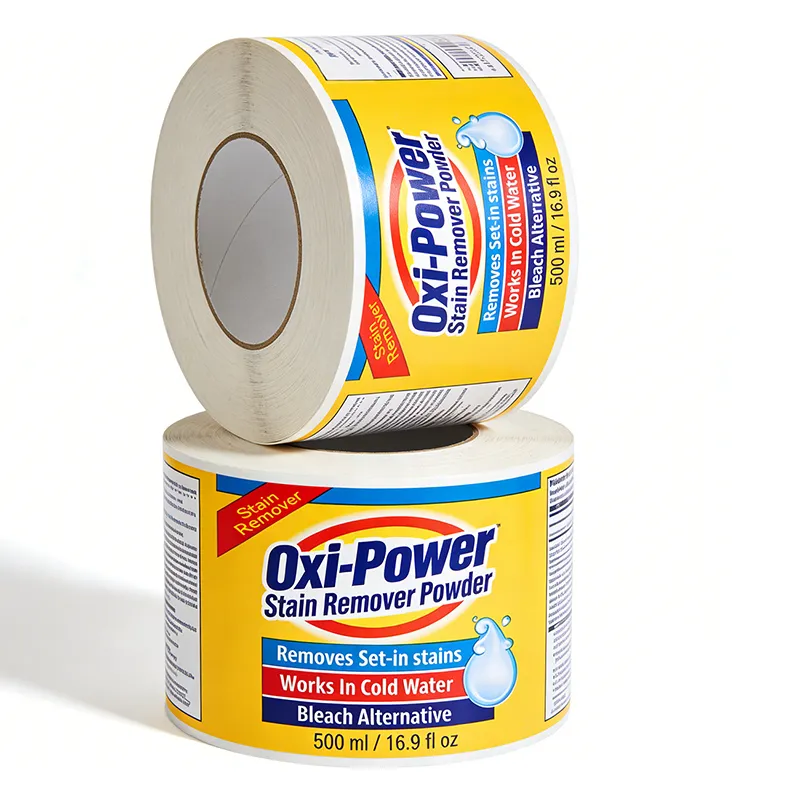
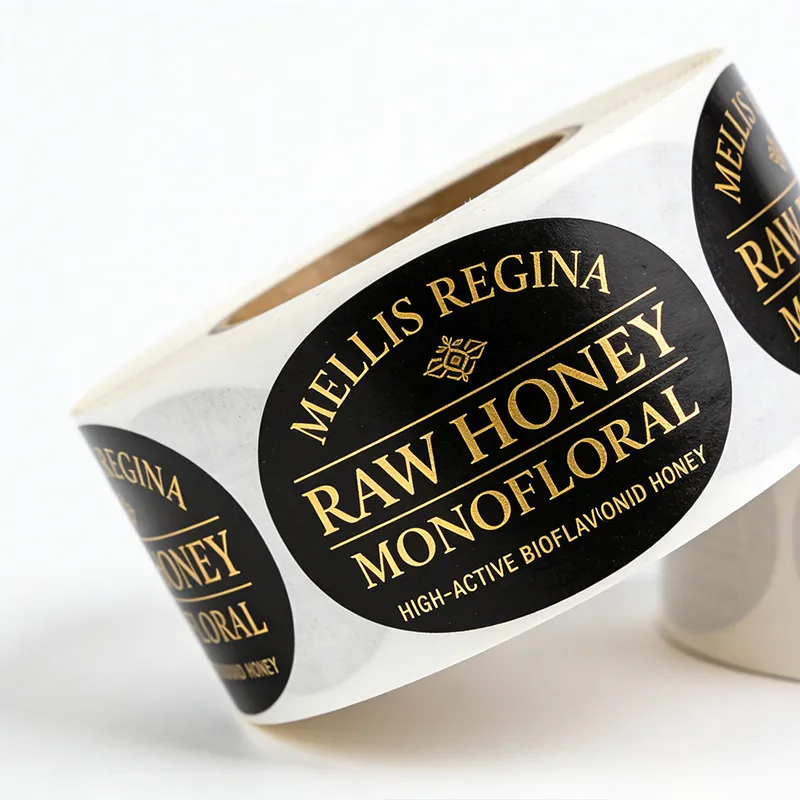
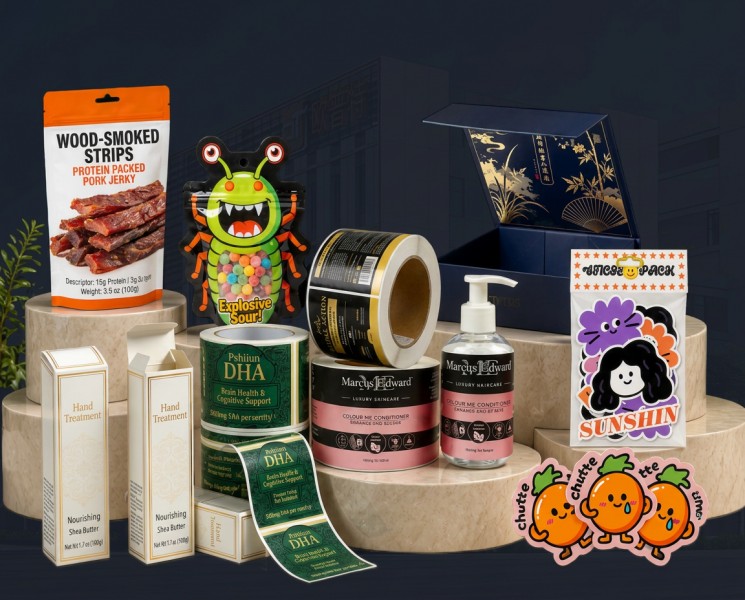
Choosing the correct bottle label is a critical decision that extends far beyond aesthetics. The label you select directly impacts product protection, brand perception, regulatory compliance, and consumer experience across diverse industries. Whether you operate in beverage, pharmaceutical, cosmetic, chemical, or food production sectors, the performance and appearance of your bottle label determine how your product communicates value and trustworthiness to end users. Understanding the nuances of label selection ensures your brand stands out while meeting industry-specific requirements and environmental conditions.
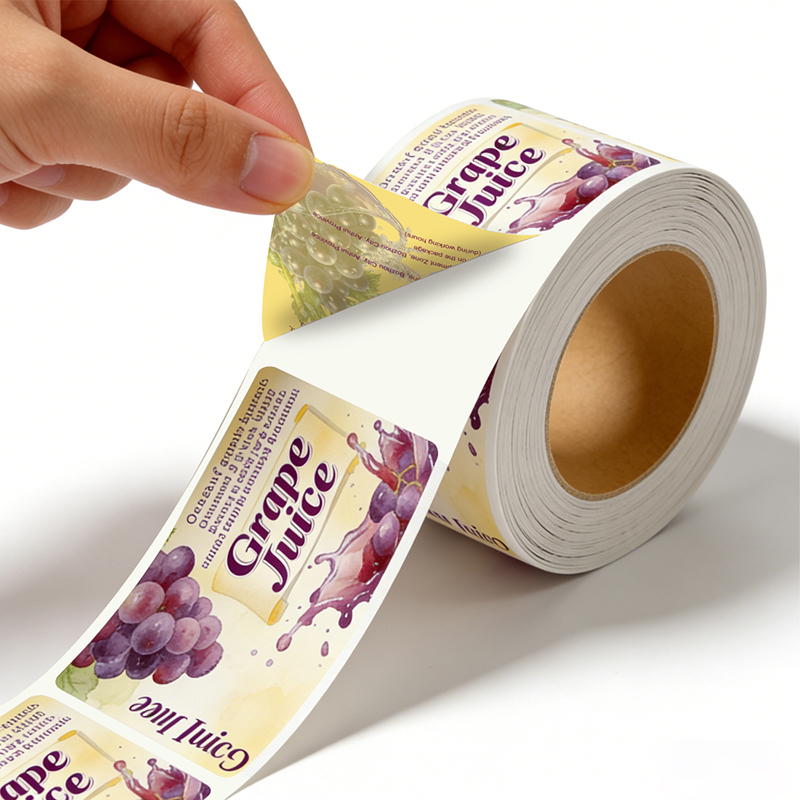
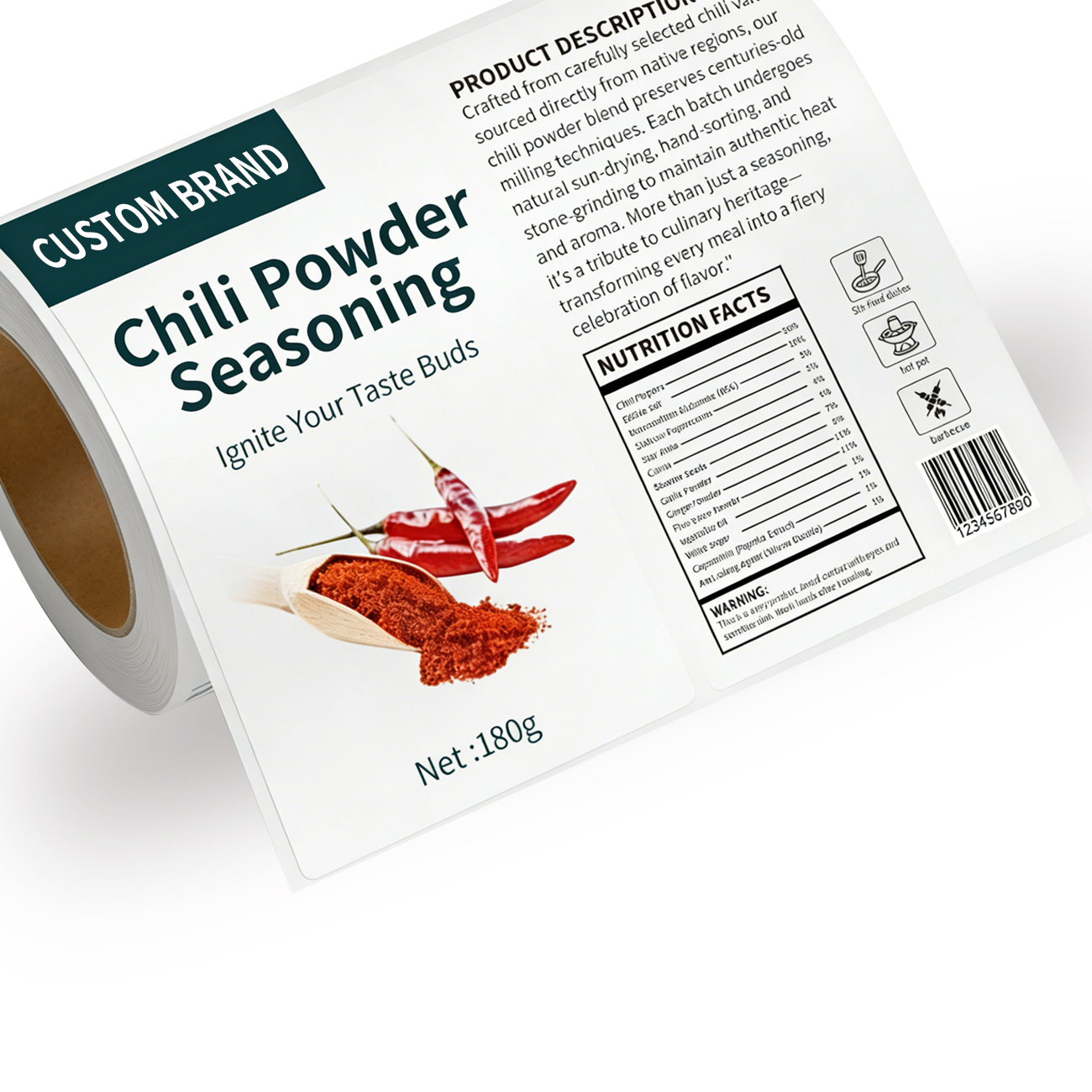
The process of selecting an appropriate bottle label involves evaluating multiple factors including custom label design requirements, material durability, label printing specifications, and adhesive compatibility. Each industry presents unique challenges. Beverage manufacturers need labels that withstand moisture and temperature fluctuations, while pharmaceutical companies require labels that support regulatory traceability and tamper evidence. Cosmetic producers prioritize visual appeal and premium perception, whereas chemical manufacturers demand labels that resist harsh substances and maintain legibility. The right bottle label solution balances functionality with brand identity while conforming to sector-specific compliance standards and cost expectations.
Understanding Industry-Specific Label Requirements
Beverage and Food Production Standards
The beverage industry demands robust bottle label solutions that perform reliably in cold, wet, and high-temperature environments. Water and moisture exposure require waterproof label material that maintains adhesion and readability throughout the product lifecycle. Custom label design in this sector must accommodate nutritional information, ingredient lists, allergen warnings, and branding elements within regulatory space constraints. Labels must withstand ice-packed coolers, refrigeration cycles, and condensation without peeling, bleeding, or becoming illegible. Label printing specifications for beverages typically require high-resolution graphics to showcase product appeal while maintaining durability under these challenging conditions.
Pharmaceutical and Chemical Industries
Pharmaceutical companies rely on bottle label solutions that prioritize accuracy, traceability, and tamper evidence. Custom label design must include dosage information, safety warnings, batch numbers, expiration dates, and regulatory identifiers such as National Drug Codes. Chemical manufacturers require labels capable of resisting solvents, oils, and corrosive substances without degradation. Waterproof label material in these sectors often includes specialized coatings that prevent chemical bleed-through and ensure label integrity during storage and transport. Label printing specifications must meet strict legibility standards defined by regulatory bodies, with permanent marking that cannot be easily altered or removed.
Evaluating Custom Label Design and Material Selection
Material Options for Different Applications
Selecting the right waterproof label material is foundational to bottle label performance. Common options include polypropylene, polyester, vinyl, and coated paper, each offering distinct advantages and limitations. Polypropylene labels provide excellent moisture resistance and cost-effectiveness for standard beverage and food applications. Polyester and vinyl materials deliver superior durability for chemical, pharmaceutical, and outdoor applications where extreme conditions prevail. Coated paper offers premium aesthetics suitable for cosmetic and luxury product categories where shelf appeal drives purchase decisions. The choice depends on your industry, storage environment, budget constraints, and specific durability requirements. Waterproof label material must be compatible with your bottle substrate and final adhesive system to ensure long-term adhesion and performance.
Design Elements That Enhance Functionality
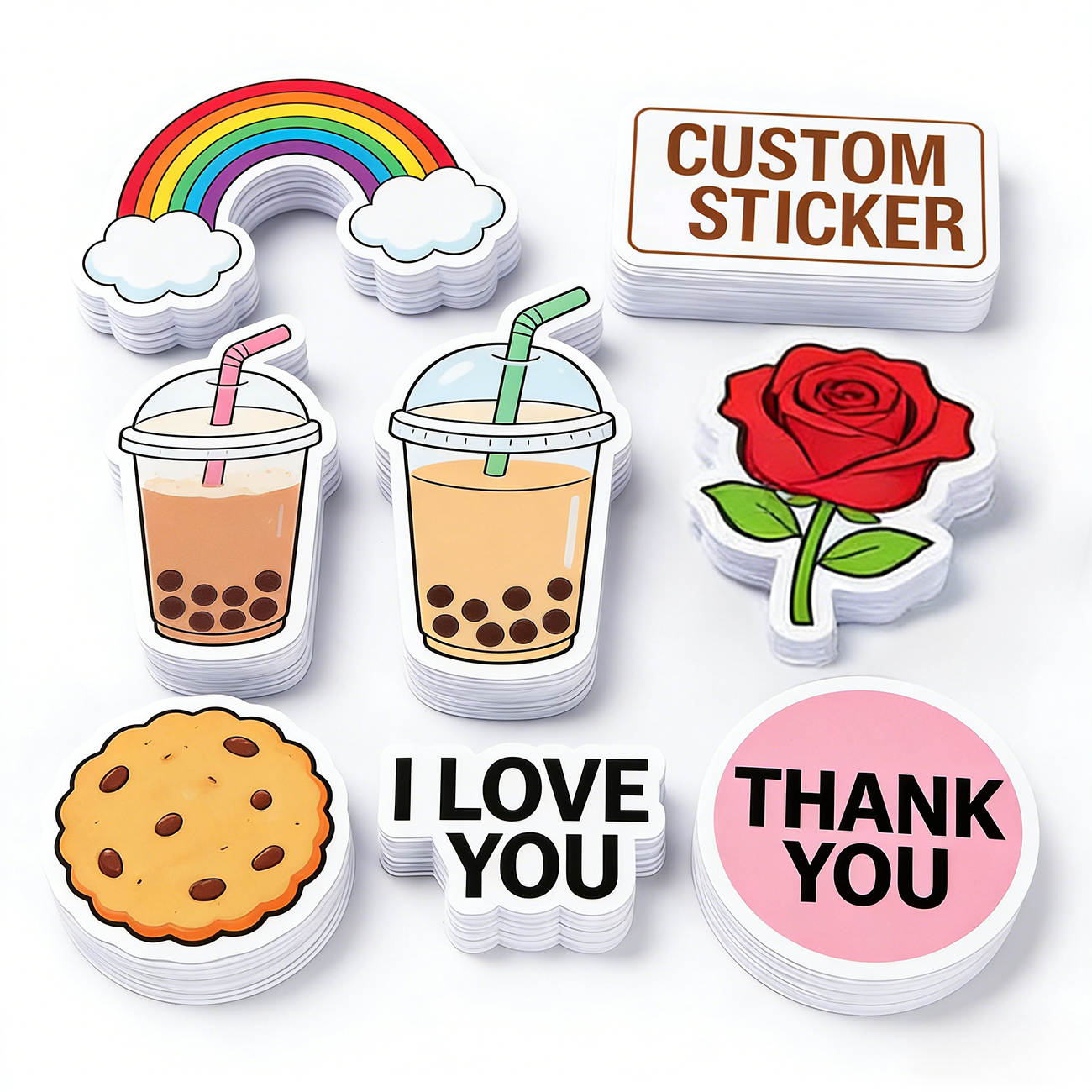
Effective custom label design balances visual communication with functional requirements specific to your industry. In regulated sectors, compliance elements such as warnings, directions for use, and ingredient disclosures must be legible and prominently positioned. Custom label design should incorporate your brand colors, typography, and imagery to create distinctive shelf presence. The placement of text and graphics affects how consumers perceive product quality and trust brand messaging. Die-cut labels provide flexibility for unique shapes that enhance brand recognition while fitting curved or irregularly shaped bottles. Multi-part labels with sequential numbering support traceability in pharmaceutical and high-value product categories. Incorporating security features such as holographic elements, microtext, or hidden logos into custom label design increases tamper evidence capabilities.
Mastering Label Printing Specifications and Production
Technical Requirements for Reliable Production
Precise label printing specifications ensure consistent quality across production runs and maintain brand integrity. Resolution standards typically range from 300 to 600 DPI depending on application complexity and regulatory requirements. Color management through Pantone or CMYK systems ensures brand color accuracy and repeatable results. Barcode and QR code specifications must include appropriate quiet zones, contrast ratios, and sizing to maintain scannability across retail and supply chain environments. Label printing specifications must account for registration accuracy when using multiple colors or complex layouts. Variable data printing capabilities support batch coding, expiration dates, and serialization critical for pharmaceutical and food traceability. Substrate compatibility with specific inks prevents smudging, fading, or chemical reactions that compromise label legibility and product safety.
Production Considerations for Scale and Flexibility
Understanding label printing specifications enables better cost management and faster time-to-market for new products. Minimum order quantities, lead times, and setup fees vary based on production methods and label complexity. Digital printing supports shorter runs and rapid iterations ideal for testing new bottle label designs or launching limited-edition products. Flexographic and offset printing deliver lower unit costs for high-volume orders, making them economical for established products. The bottle label production process should include quality assurance checkpoints that verify color accuracy, barcode functionality, adhesive application, and dimensional consistency. Planning label printing specifications during product development allows integration of sustainability considerations such as recyclable materials, water-based inks, and minimal waste approaches. Communicating precise specifications to label manufacturers reduces errors, prevents costly reprints, and accelerates product launch timelines.
FAQ
What makes a waterproof label material suitable for beverage bottles?
Waterproof label material for beverages must resist moisture penetration, maintain adhesion across temperature fluctuations, and preserve ink clarity without bleeding. Polypropylene and specially coated synthetic materials provide excellent performance in cold storage, ice environments, and high-humidity conditions. The material must remain flexible when applied to curved bottles while resisting peeling during handling and transport. Surface treatments and premium adhesives enhance durability under condensation exposure.
How do custom label design requirements differ between cosmetic and pharmaceutical industries?
Cosmetic custom label design prioritizes visual aesthetics, brand storytelling, and premium perception through high-quality imagery and typography. Pharmaceutical custom label design emphasizes regulatory compliance, legibility of safety information, and traceability elements such as batch numbers and expiration dates. While cosmetic labels leverage color and design creativity, pharmaceutical labels must balance functionality with strict regulatory requirements that often limit design flexibility but ensure consumer safety and legal compliance.
What label printing specifications ensure barcodes remain scannable after production?
Label printing specifications for barcode functionality include maintaining minimum quiet zones, achieving proper contrast ratios between bars and background, and using appropriate sizing proportional to scanning distance requirements. Resolution must reach at least 300 DPI to preserve barcode edge sharpness. The barcode placement must avoid curved bottle sections that distort images during scanning. Color combinations must provide sufficient contrast, typically dark bars on light backgrounds, to ensure reliable reader recognition throughout the product lifecycle.