 EN
EN
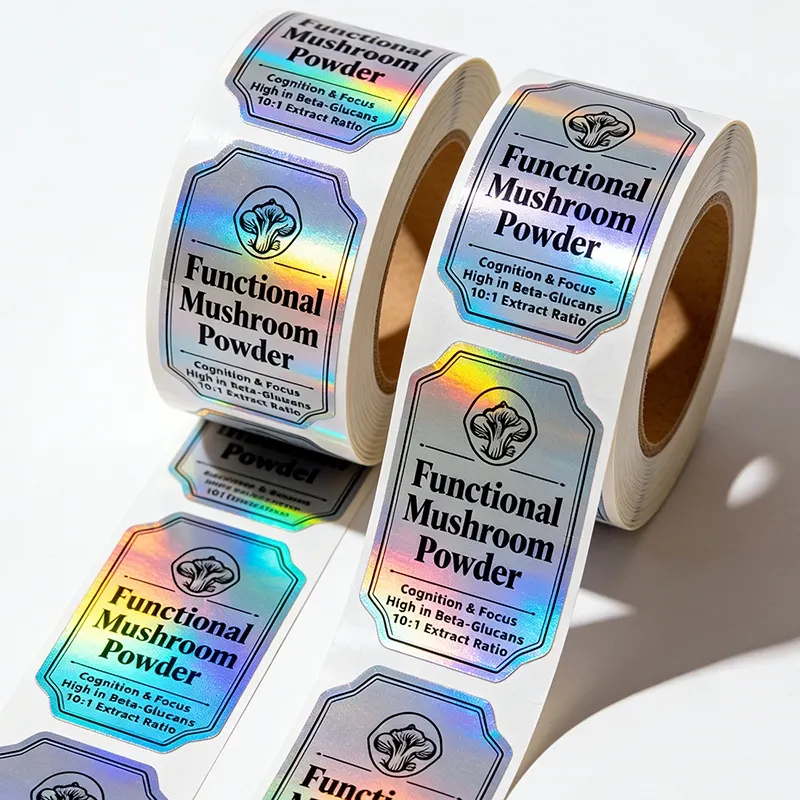
Selecting the right supplement label supplier is one of the most critical decisions a dietary supplement brand will make. Your choice directly impacts regulatory compliance, brand perception, product shelf appeal, and ultimately, your business reputation. A supplier who understands supplement facts label requirements and can deliver compliant, visually compelling labels will protect your brand while supporting growth. This decision requires evaluating multiple dimensions beyond price, including technical capabilities, regulatory expertise, production capacity, and quality assurance processes.
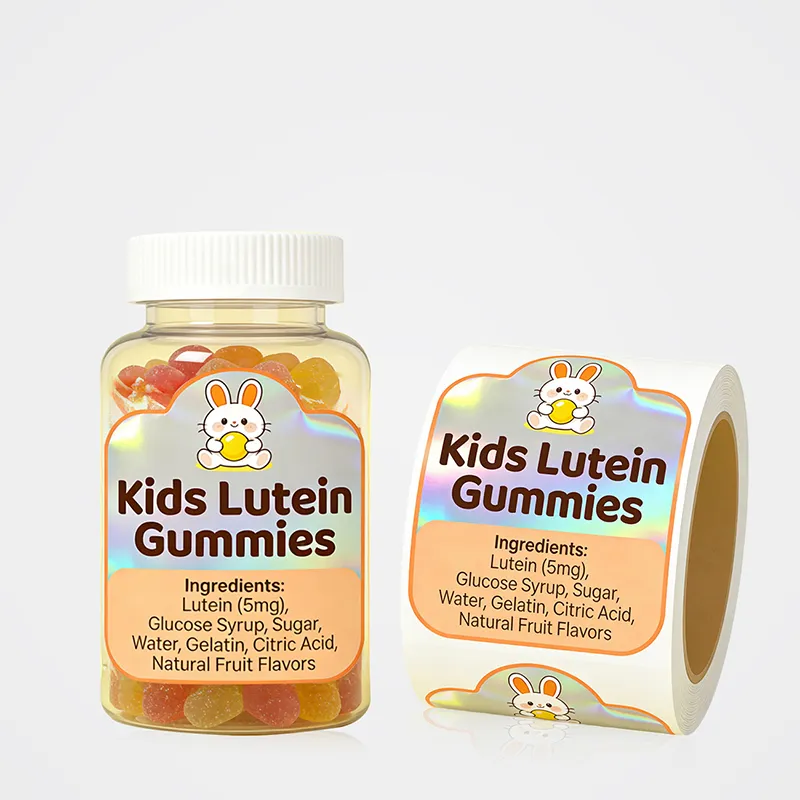
The nutritional label design compliance landscape is complex and evolving. The FDA enforces strict dietary supplement labeling regulations that govern everything from font size and ingredient disclosure to allergen warnings and structure-function claims. A qualified supplement label supplier must stay current with these regulations and help guide your product toward full compliance. Beyond regulatory demands, your supplier must understand the visual and functional requirements unique to supplement packaging, including durability, moisture resistance, and product differentiation in a crowded market.
Regulatory Expertise and Compliance Capabilities
Understanding Dietary Supplement Labeling Regulations
Dietary supplement labeling regulations require precise adherence to FDA guidelines, including the Supplement Facts panel format, ingredient disclosure order, and quantity declarations. A supplier with deep regulatory knowledge will catch compliance gaps before production, saving you from costly recalls or enforcement action. Look for suppliers who employ regulatory specialists or maintain partnerships with compliance consultants. They should be able to explain how their design process incorporates supplement facts label requirements and how they validate every label against current FDA standards.
Staying Current with Regulatory Changes
Supplement regulations shift periodically as the FDA issues guidance updates and enforcement priorities evolve. Your supplier should demonstrate a commitment to ongoing regulatory education and proactively inform clients of changes affecting their products. Ask candidates whether they maintain a compliance calendar, subscribe to FDA updates, and train their design and production teams regularly. A supplier who treats dietary supplement labeling regulations as a core competency—rather than a checkbox—will be a strategic partner for long-term compliance and market confidence.
Design Capability and Brand Differentiation
Nutritional Label Design Compliance with Creative Freedom
While nutritional label design compliance is mandatory, your supplement label must also stand out on retail shelves and resonate with your target audience. The best suppliers balance regulatory rigor with creative flexibility, helping you achieve both compliance and market appeal. Evaluate their design portfolio for clarity, visual hierarchy, color management, and typography choices. Ask how they approach multi-language labeling, variable data printing, and short-run design iterations. A supplier offering in-house design services, template libraries, and collaborative revision cycles demonstrates commitment to making your brand vision tangible.
Material and Finish Options
Beyond design, the physical substrate and finish of your supplement label affect both functionality and perceived quality. High-gloss finishes, matte surfaces, soft-touch coatings, and UV protection each serve different purposes. Your supplier should recommend materials based on your storage environment, shipping conditions, and target retail channel. Ask about water resistance, label durability under temperature fluctuations, and adhesive options compatible with your bottle or container material. Premium finishes often justify their cost through improved shelf presence and reduced label degradation in warehouse or store conditions.
Production Capacity, Lead Times, and Quality Standards
Scalability and Flexible Manufacturing
As your brand grows, your supplement label supplier must scale with you. Early conversations should clarify minimum order quantities, production capacity during peak seasons, and ability to support multi-SKU launches simultaneously. A supplier with multiple production lines, modern printing equipment, and experienced scheduling teams can absorb growth without compromising quality or extending lead times. Ask about their typical turnaround times, rush order capabilities, and how they manage supply chain disruptions. Strong suppliers maintain buffer inventory for common materials and have contingency plans for equipment failures.
Quality Assurance and Defect Prevention
Quality consistency separates reliable supplement label suppliers from occasional providers. Your candidate should explain their quality control process: pre-production artwork proofs, inline inspection during printing, color matching protocols, and post-production sampling and testing. Request to see their defect rates, rejection criteria, and customer complaint history. Many leading suppliers pursue ISO certifications, use spectrophotometers for color accuracy, and maintain detailed production records for traceability. Understanding their commitment to quality will inform your confidence level in their ability to deliver defect-free labels repeatedly.
Cost Structure, Transparency, and Long-Term Partnership Value
Pricing Models and Hidden Costs
Evaluate pricing carefully, but recognize that the lowest-cost option rarely delivers the best value for supplement label production. Request detailed quotes that itemize materials, setup fees, design charges, and any variable costs tied to customization or rush orders. Compare total cost of ownership across multiple orders, not just first-order pricing. Be wary of suppliers who obscure costs or surprise you with undisclosed fees. Transparent pricing, clear payment terms, and willingness to lock rates during contract periods demonstrate professionalism and reduce budget surprises as your business scales.
Supplier Reliability and Communication
Your supplement label supplier will be an ongoing partner, not a one-time vendor. Assess their communication style, responsiveness to questions, and willingness to invest time in understanding your brand. Schedule calls with their account managers and ask for references from clients in similar market segments. Learn how they handle problems, whether they proactively update clients on order status, and if they offer dedicated support or portal access for order tracking. A supplier who communicates transparently and acts as a strategic advisor—rather than a transactional processor—will become a trusted extension of your brand team.
FAQ
What are the most critical supplement facts label requirements I must enforce with my supplier?
The most critical requirements include correct Supplement Facts panel format per FDA guidelines, accurate ingredient listing by weight in descending order, proper allergen declarations, compliant structure-function claims that do not cross into disease-treatment language, and accurate serving size definitions. Your supplier must validate these elements before production. Non-compliance can trigger FDA warning letters, product seizures, or recalls, so prioritize suppliers with proven regulatory expertise and verification procedures.
How do I verify that my supplier understands nutritional label design compliance standards?
Ask candidates to walk you through their design review process, explain font size and spacing rules mandated by FDA regulations, and describe how they handle warning statements and allergen callouts. Request samples of previously approved labels they have designed for other supplement brands, and ask for references you can contact. Interview their design and compliance staff directly to gauge their knowledge depth. A supplier confident in their expertise will welcome detailed questions and provide detailed, accurate answers.
What questions should I ask about dietary supplement labeling regulations compliance during the supplier selection process?
Ask how they monitor FDA enforcement actions and regulatory updates, whether they maintain in-house compliance expertise or use external consultants, and whether they provide pre-production compliance reviews as standard practice. Inquire about their experience with supplements in your specific category (vitamins, herbals, sports nutrition, etc.), as regulations can vary by claim type. Ask whether they have experienced FDA audits or compliance issues in their client base, and how they have resolved them. Finally, confirm their process for handling label updates when regulations change mid-contract.