 EN
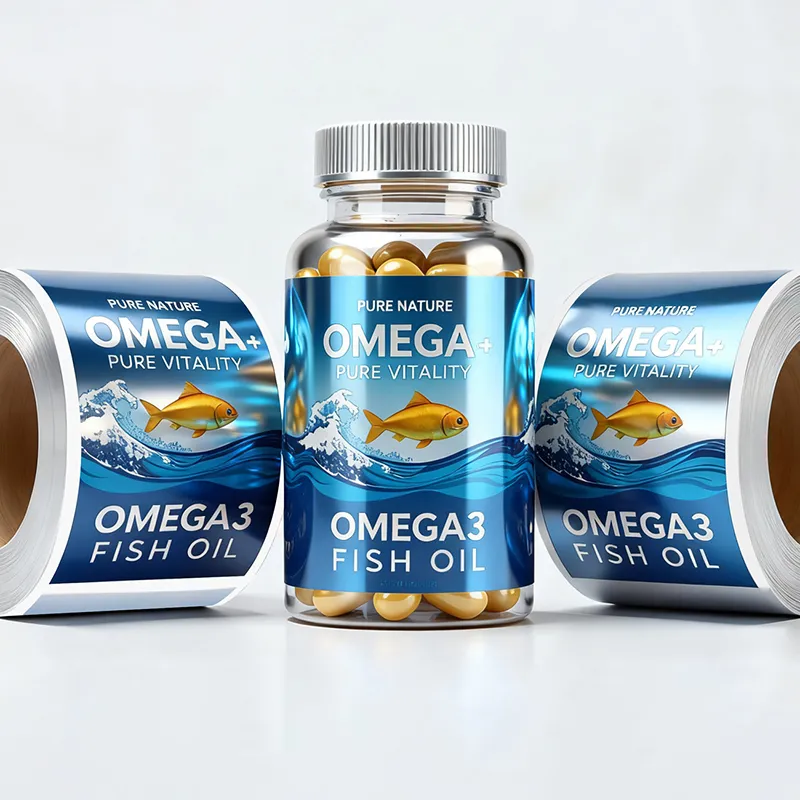
Health product brands face complex compliance challenges when designing and printing packaging that meets regulatory standards. A well-designed supplement label serves as both a marketing tool and a critical compliance document, requiring careful attention to detail, material quality, and regulatory adherence. For manufacturers seeking reliable supplement label solutions, understanding the intersection of design aesthetics, durability, and legal compliance is essential to market success and customer trust.
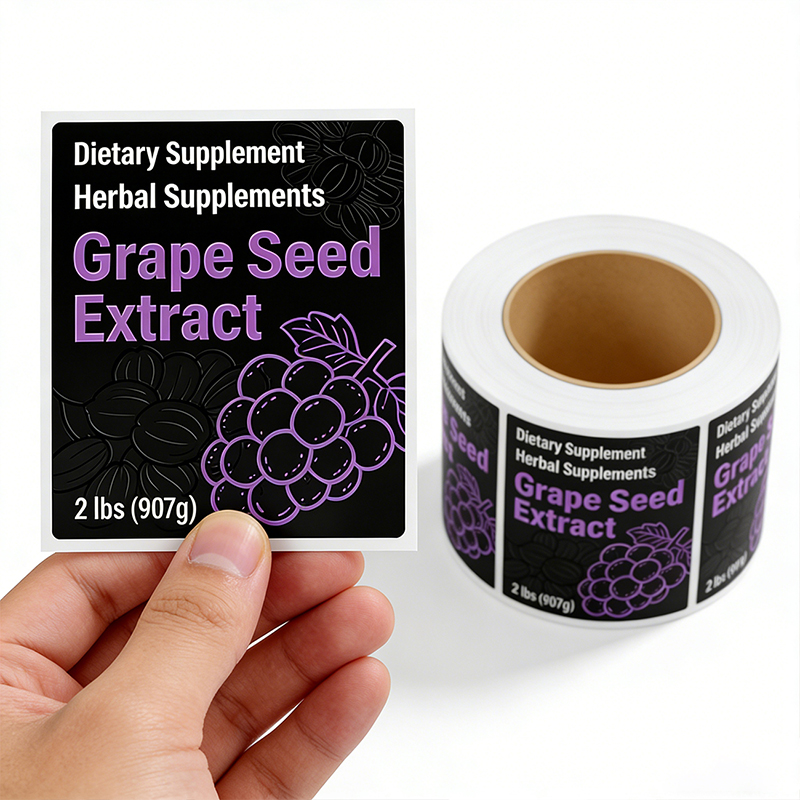
Selecting the right printing partner means choosing a provider who understands both the creative and regulatory dimensions of supplement packaging. Professional label printing delivers consistent quality, vibrant colors, and materials that withstand moisture, temperature fluctuations, and handling throughout the product lifecycle. Modern printing technology enables brands to produce high-impact labels that differentiate products on retail shelves while maintaining full compliance with industry standards.
Understanding Supplement Facts Panel Requirements
Core Components of Compliance
Every supplement label must display a standardized supplement facts panel containing specific information about the product's ingredients and their quantities. The panel includes serving size, serving per container, active ingredients with their amounts, and percentage of daily value when established. This information must be presented in a clear, legible format using specific font sizes and hierarchy rules established by the FDA and industry guidelines.
The supplement facts panel differs from a standard nutritional label because it lists active ingredients rather than macronutrients. Brands must accurately represent all botanical extracts, vitamins, minerals, amino acids, and proprietary blends included in their formulations. Incorrect or misleading supplement facts panels create liability exposure, damage brand reputation, and invite regulatory enforcement actions that can halt production and sales.
Typography and Legibility Standards
Font selection and sizing directly impact compliance and consumer trust in supplement labeling regulations. The supplement facts panel requires minimum type sizes that vary based on the overall label size, ensuring consumers can read critical health information without magnification. Professional printing processes guarantee consistent text reproduction, sharp edges, and sufficient contrast between ink and background to meet these standards consistently.
Color choices also matter—while brands want visually appealing labels, the primary text must maintain readability against the chosen background. High-gloss finishes and UV coatings create premium aesthetics while protecting printed text from fading, smudging, and moisture damage that could render label information illegible or inaccurate.
Meeting Nutritional Label Requirements and Regulatory Standards
FDA and Industry Compliance Framework
Nutritional label requirements for dietary supplements are governed by federal regulations that specify exactly what information must appear, where it must be positioned, and how it must be formatted. The Dietary Supplement Health and Education Act (DSHEA) establishes the foundation, while ongoing FDA guidance documents clarify specific application scenarios. Brands must include the supplement facts panel, ingredient list, manufacturer information, warning statements where applicable, and any structure-function claims that have been properly substantiated.
Beyond federal requirements, supplement labeling regulations vary by state and country when products are distributed across multiple markets. International brands face additional complexity if they sell in Canada, Europe, Australia, or other regions with distinct regulatory frameworks. Professional label printing providers who specialize in supplement products typically maintain current knowledge of these varying requirements and help brands navigate complexity while maintaining visual consistency across markets.
Quality Assurance in Label Production
Manufacturing supplement labels at scale requires rigorous quality control to ensure every unit meets compliance standards and brand specifications. Digital proofing before production runs prevents costly errors that could result in thousands of non-compliant labels. Inspection systems throughout the printing process verify color accuracy, text legibility, barcode readability, and physical durability under realistic storage and handling conditions.
Material selection directly supports compliance objectives—premium label stocks resist moisture absorption, maintain color vibrancy, and preserve printed information integrity throughout the product's shelf life. UV coatings add protective barriers that prevent fading from light exposure and degradation from handling, ensuring that supplement facts panel information remains clear and accurate long after the product reaches the consumer.
Optimizing Design, Durability, and Brand Differentiation
Material and Finishing Technologies
High-gloss finishes transform supplement label presentation by creating eye-catching visual impact that attracts consumer attention on crowded retail shelves. The glossy appearance signals premium quality and professionalism, supporting higher price points and building brand perception as a trustworthy health product. UV coating adds a protective layer that resists moisture, temperature changes, and physical wear while enhancing color saturation and contrast.
Different supplement types benefit from specific finishing approaches—water-resistant labels work well for refrigerated or frozen products, while matte finishes appeal to brands emphasizing natural or organic positioning. Durable label stocks remain legible and compliant even when exposed to moisture during product handling, storage in humid environments, or accidental water contact. Material selection balances aesthetic goals with functional durability requirements that protect both compliance integrity and brand reputation.
Design Strategy for Market Success
Effective supplement label design communicates brand identity while clearly presenting all required regulatory information in an organized, consumer-friendly hierarchy. Visual hierarchy guides consumer attention from brand name and key claims toward supplement facts panel details and important warnings. Color psychology, typography choices, and imagery selection create emotional connections that influence purchase decisions, but these design elements must never compromise the clarity or prominence of required supplement facts panel information.
Professional design collaboration with printing partners ensures that brand vision translates into production-ready files that will reproduce consistently across print runs. Designers familiar with supplement labeling regulations and printing capabilities can suggest design optimizations that maintain visual impact while guaranteeing compliance. Roll label formats enable efficient application to bottles and containers, reducing packaging labor costs while maintaining premium presentation quality that supports retail shelf impact and consumer brand perception.
FAQ
What information must appear on every supplement label?
Every supplement label must display a standardized supplement facts panel listing serving size, ingredients with quantities, and daily value percentages where established. Additionally, the label must include manufacturer contact information, warning statements for contraindications or allergies, and any substantiated structure-function claims. All text must meet minimum size requirements and maintain sufficient contrast for legibility. Professional printing ensures consistent compliance across all units produced.
How do supplement labeling regulations differ by country?
Supplement labeling regulations vary significantly across markets—the FDA governs United States products, Health Canada oversees Canadian supplements, and the European Food Safety Authority sets standards for European distribution. Each jurisdiction specifies different supplement facts panel formats, allowed claims, warning requirements, and ingredient disclosures. Brands distributing internationally must work with label printing partners who understand these regional variations and can produce compliant labels for each market while maintaining visual brand consistency.
Why should brands invest in high-quality supplement label printing?
High-quality supplement label printing protects brand reputation, ensures regulatory compliance, and enhances consumer perception of product quality and professionalism. Durable materials and advanced finishes like UV coating preserve label integrity throughout storage and handling, keeping supplement facts panel information legible and accurate. Premium printing creates visual differentiation that supports pricing strategy and retail shelf presence, ultimately driving consumer purchase decisions and building long-term brand loyalty in the competitive health product market.