 EN
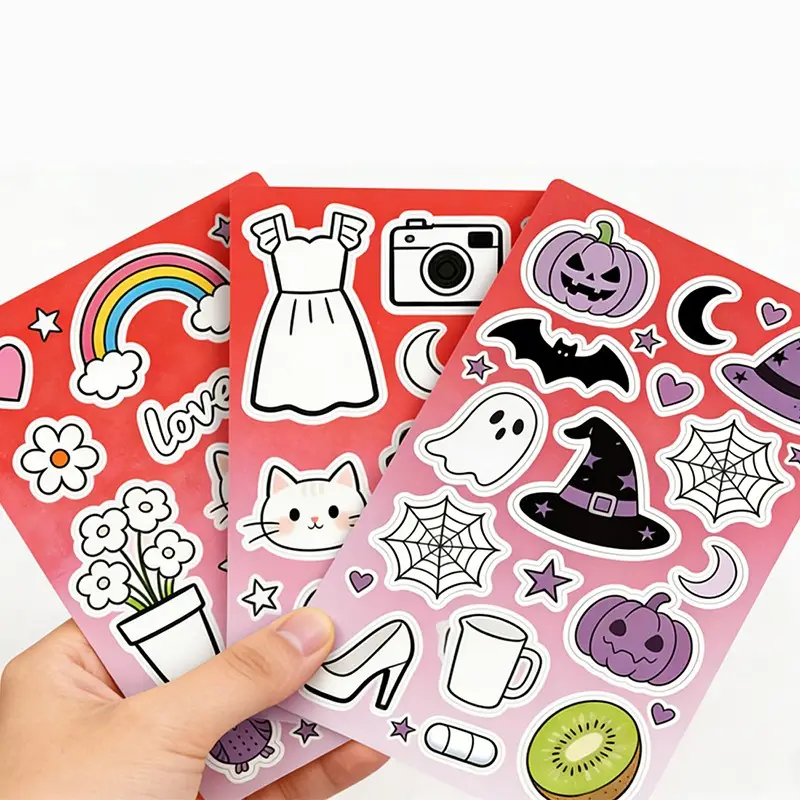
Die cut stickers often look more attractive than standard stickers because their outlines follow the shape of the artwork instead of ending at a plain rectangle. That closer fit makes a graphic feel intentional, distinctive, and easier to notice on packaging, equipment, or promotional materials. In custom sticker printing, appearance depends on more than color: the relationship between the printed image, its edge, and the surface around it matters too.
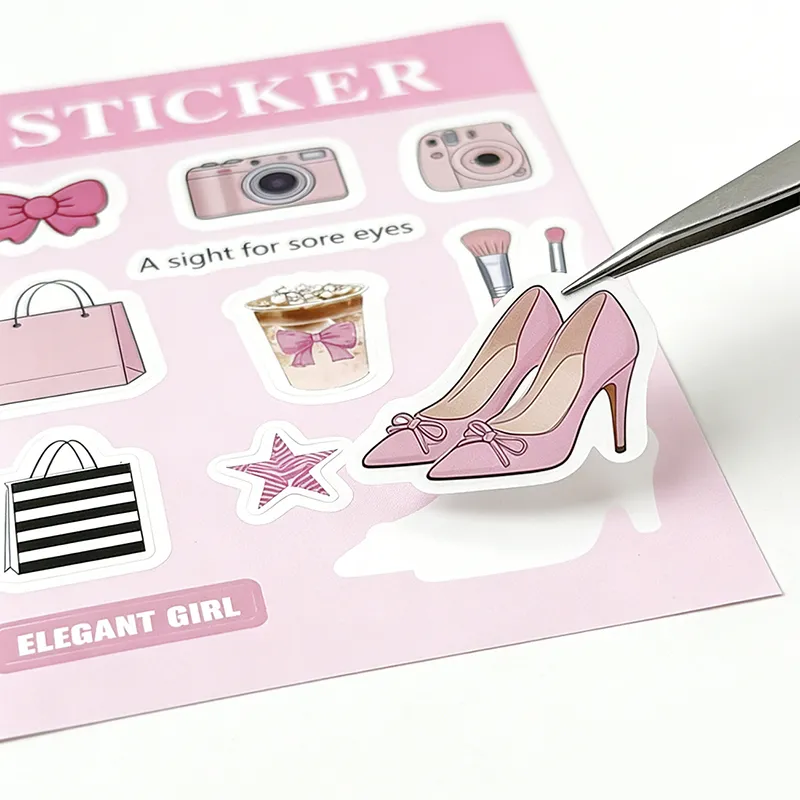
The advantage is not simply that an unusual shape is more decorative. A well-planned sticker design and production process uses the contour to reinforce the subject, preserve legibility, and create a clean finish. For buyers planning bulk sticker manufacturing, the key is to decide whether this visual distinction supports the product or campaign enough to justify the additional design and cutting considerations.
How the outline changes visual appeal
A shape that belongs to the artwork
A standard rectangular sticker adds a frame whether or not the image needs one. A die cut sticker removes much of that unused border, letting a mascot, product silhouette, emblem, or illustrated object define the edge. This makes custom sticker printing feel more tailored to the artwork and can help viewers understand the graphic at a glance. The outline becomes part of the design rather than a container placed around it.
The best contours support the image without tracing every tiny feature. During sticker design and production, designers can retain key curves and recognizable details while simplifying fragile projections that may be difficult to cut cleanly. This balance helps a custom shape read clearly at its intended size. In bulk sticker manufacturing, a consistent, practical outline also helps keep the finished pieces visually uniform across a run.
More visual separation from the surface
A distinctive edge can separate the graphic from a busy background, especially on a laptop, carton, tool case, or event handout. The sticker design and production plan should account for the color and texture of the surface, since a narrow border or pale edge may disappear against a similar background. Custom sticker printing can then use contrast and spacing to preserve a clear silhouette without making the graphic feel crowded. For bulk sticker manufacturing, the approved proof should show the sticker against a representative surface when possible.
How design and finish contribute to the result
Clear artwork makes a cleaner contour
A custom outline cannot compensate for artwork that is difficult to read. Strong focal points, adequate spacing, and legible lettering give the shape a clear purpose. In custom sticker printing, artwork should be prepared at the final size so small text and narrow gaps can be checked before production. Sticker design and production should also define a safe margin between important details and the cut edge, reducing the risk that a slight cutting variation will affect the image.
Complex silhouettes can look appealing on screen but become less effective when reduced or viewed from a distance. Simplifying fine spikes, narrow openings, or tiny detached details usually makes the finished sticker easier to recognize and handle. That decision is especially relevant to bulk sticker manufacturing, where repeatability and practical use matter alongside visual character. Custom sticker printing works best when the artwork, dimensions, and intended viewing distance are considered together rather than treated as separate choices.
Material and finish support the visual message
Color, surface finish, and material influence how a shape appears in its final setting. A glossy surface can make colors feel vivid under suitable lighting, while a matte finish can reduce reflections in some environments. The sticker design and production specification should match the use case, including expected handling and exposure. Buyers considering custom sticker printing can review a sample or proof to assess color, edge clarity, and finish under realistic conditions instead of judging the artwork only on a monitor.
How to assess attractiveness for a real application
Match the shape to the audience and placement
A playful character outline may suit a consumer package, giveaway, or community campaign, while a compact geometric mark may better fit industrial labeling or a professional event. The deciding question is whether the shape adds meaning for the intended audience. Custom sticker printing should connect the outline to the product identity, not introduce decoration that distracts from essential information. Sticker design and production can test a few silhouette options at actual size before the team commits to one.
Placement also changes what looks attractive. A large sticker on a flat box gives the contour room to register, whereas a small mark on curved equipment needs a simpler shape and readable central artwork. Consider the available area, viewing distance, neighboring graphics, and how the sticker will be applied. For bulk sticker manufacturing, these checks help align the approved design with the surfaces and quantities planned for the project, rather than optimizing only for a digital preview.
Balance standout appearance with production practicality
An intricate cut path may add visual interest, but every tight corner and narrow extension deserves a practical review. Sticker design and production should account for the desired size, spacing between stickers on a sheet, and ease of peeling or applying the finished piece. Custom sticker printing can preserve a distinctive look with a smoother contour when tiny details would otherwise complicate handling. A production-ready proof gives stakeholders a chance to catch these concerns before approving the run.
A useful evaluation compares the custom outline with a standard rectangle using the same artwork, size, and material. Ask which version makes the subject easier to recognize, fits the application better, and feels consistent with the brand or campaign. A die cut sticker is a strong choice when the contour adds recognition or personality; a standard shape can remain the practical option when a fixed label area or information layout takes priority. Bulk sticker manufacturing should follow that design decision, not dictate it.
FAQ
Are die cut stickers always more attractive?
Not in every application. A custom silhouette can give artwork more character, but a standard rectangle may look cleaner for detailed information or a formal label. Custom sticker printing should serve the message, placement, and audience. Sticker design and production helps compare both shapes before a final choice.
Does a custom outline affect production planning?
Yes. The cut path, detail level, sticker size, and spacing should be reviewed together. Bulk sticker manufacturing benefits from a clear approved proof and an outline suited to consistent production. Custom sticker printing can retain the desired appearance while keeping the shape practical to handle.
What should buyers review before approving artwork?
Check the silhouette at final size, the clarity of small details, edge spacing, material, and intended application surface. Sticker design and production should confirm that the artwork remains readable and the contour supports its purpose. For bulk sticker manufacturing, assess a representative proof before authorizing the full run.