 EN
EN
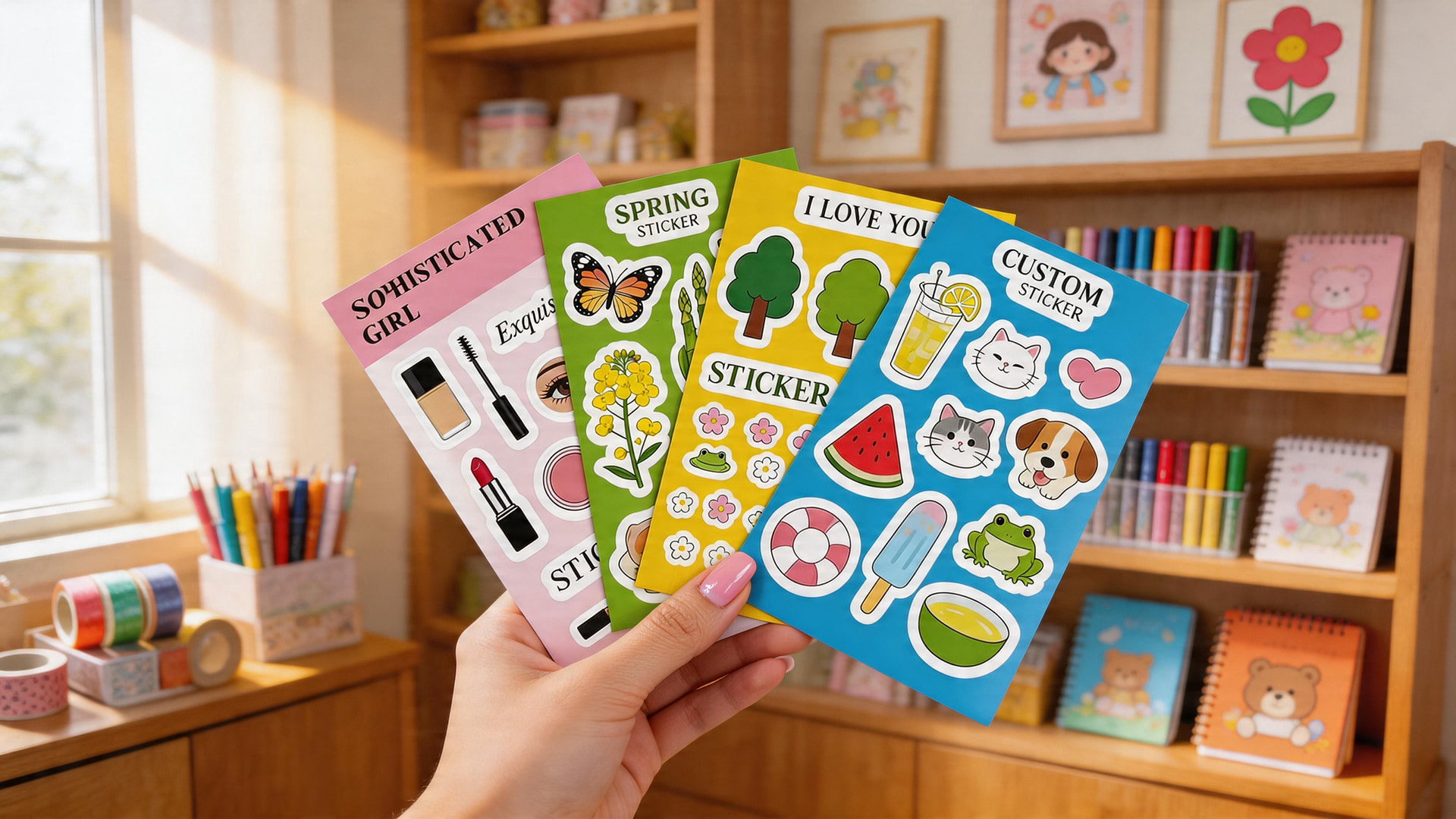

Food product labels are essential brand assets that directly influence consumer perception, purchase decisions and trust in the food industry. As shown in the reference images, honey jars and chili sauce bottles presented in home kitchen and supermarket shelf environments rely on carefully designed labels to convey product quality, brand personality and food safety confidence. Whether for honey, chili sauce, jam, olive oil, seasoning, snack packaging or canned food, the label is not only an information carrier but also a key visual element that helps the product stand out among many similar items. For food brands, custom labels with gold foil stamping, eco-friendly materials, waterproof, oil-resistant and scratch-resistant properties can effectively enhance product premium feeling, strengthen brand recognition and increase overall brand awareness.
Gold foil stamping is a highly effective label enhancement technology for food products that want to convey premium quality, traditional craftsmanship, natural ingredients or gift-grade positioning. The metallic gold luster immediately attracts attention to brand logos, product names, origin information, flavor series, certification marks and decorative patterns. In the honey jar image, the gold foil on the label creates a warm, traditional and high-quality feeling that matches natural honey products very well. In the chili sauce shelf image, the gold foil details enhance the retro and handcrafted atmosphere, making the brand look more distinctive and trustworthy. Gold foil is especially suitable for food categories such as honey, sauce, jam, olive oil, seasoning, gift food and specialty products, because it can make ordinary packaging look more carefully produced and emotionally appealing.
Eco-friendly label materials are becoming increasingly important in modern food packaging. Consumers are paying more attention to sustainability, recyclability, environmental protection and responsible production, and this attitude also affects their purchasing decisions. Eco-friendly food labels are usually made of renewable paper, recycled materials, biodegradable films or environmentally friendly adhesives, which help reduce plastic waste and support a greener brand image. For food brands, using eco-friendly materials is not only a market trend but also a brand value expression. It shows that the brand cares about environmental responsibility, which can attract environmentally conscious consumers and build a more positive brand reputation. When combined with gold foil, eco-friendly labels can achieve both natural texture and premium visual effect.
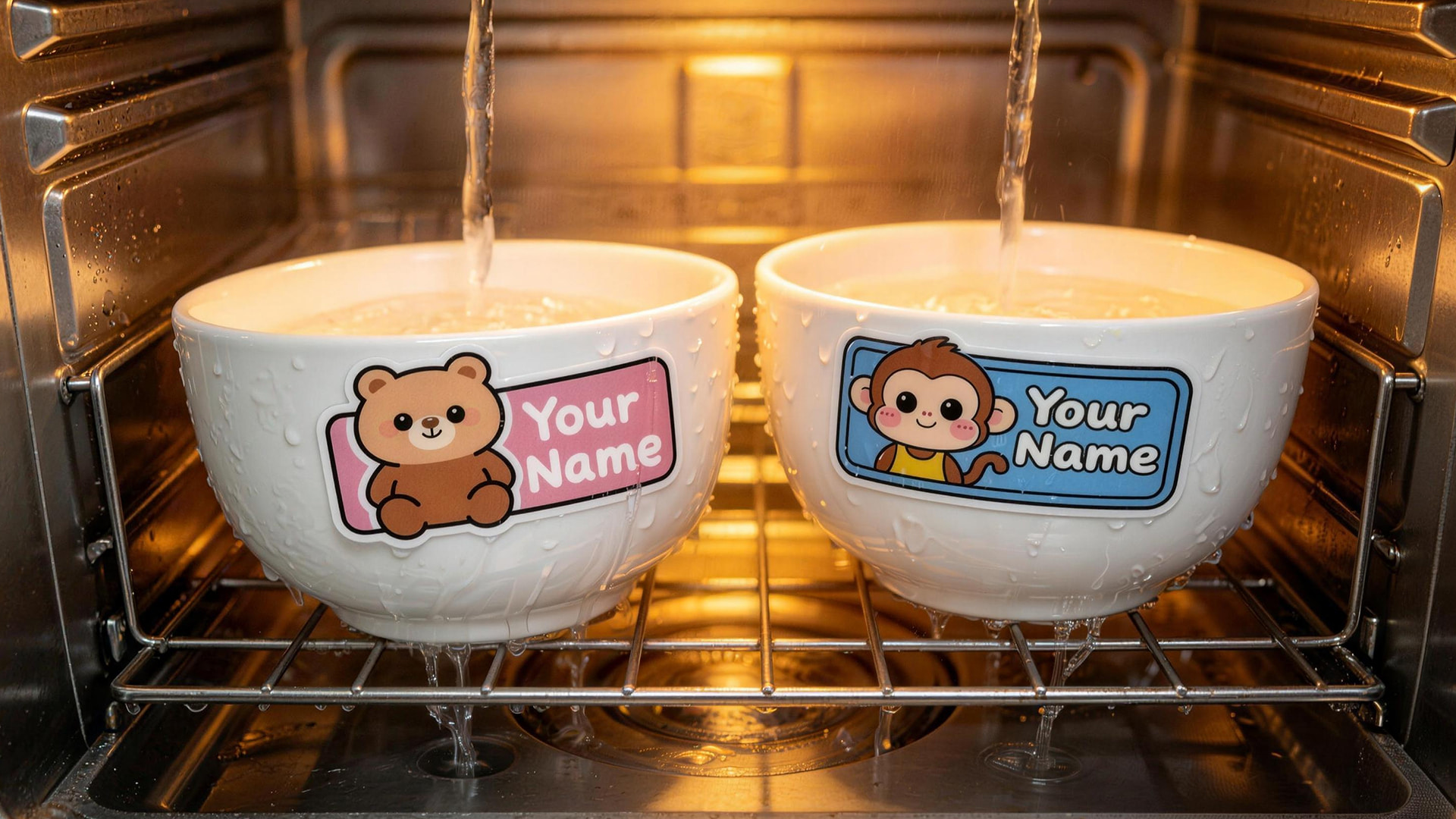
Waterproof, oil-resistant and scratch-resistant performance ensures that food labels remain intact in kitchens, supermarkets, dining tables and storage environments. Food packaging may come into contact with water, oil, sauce, steam, dust, condensation and frequent handling. A low-quality label may peel, fade, blur or become stained over time, making the product look old and unprofessional. High-quality food labels are usually made with waterproof surface films, oil-repellent coatings and scratch-resistant laminate layers, protecting printed text, brand logos, ingredient information, barcodes and gold foil effects from damage. This durability is especially important for honey, chili sauce, jam, cooking oil, seasoning and other food products that are often stored in kitchens or displayed on supermarket shelves.
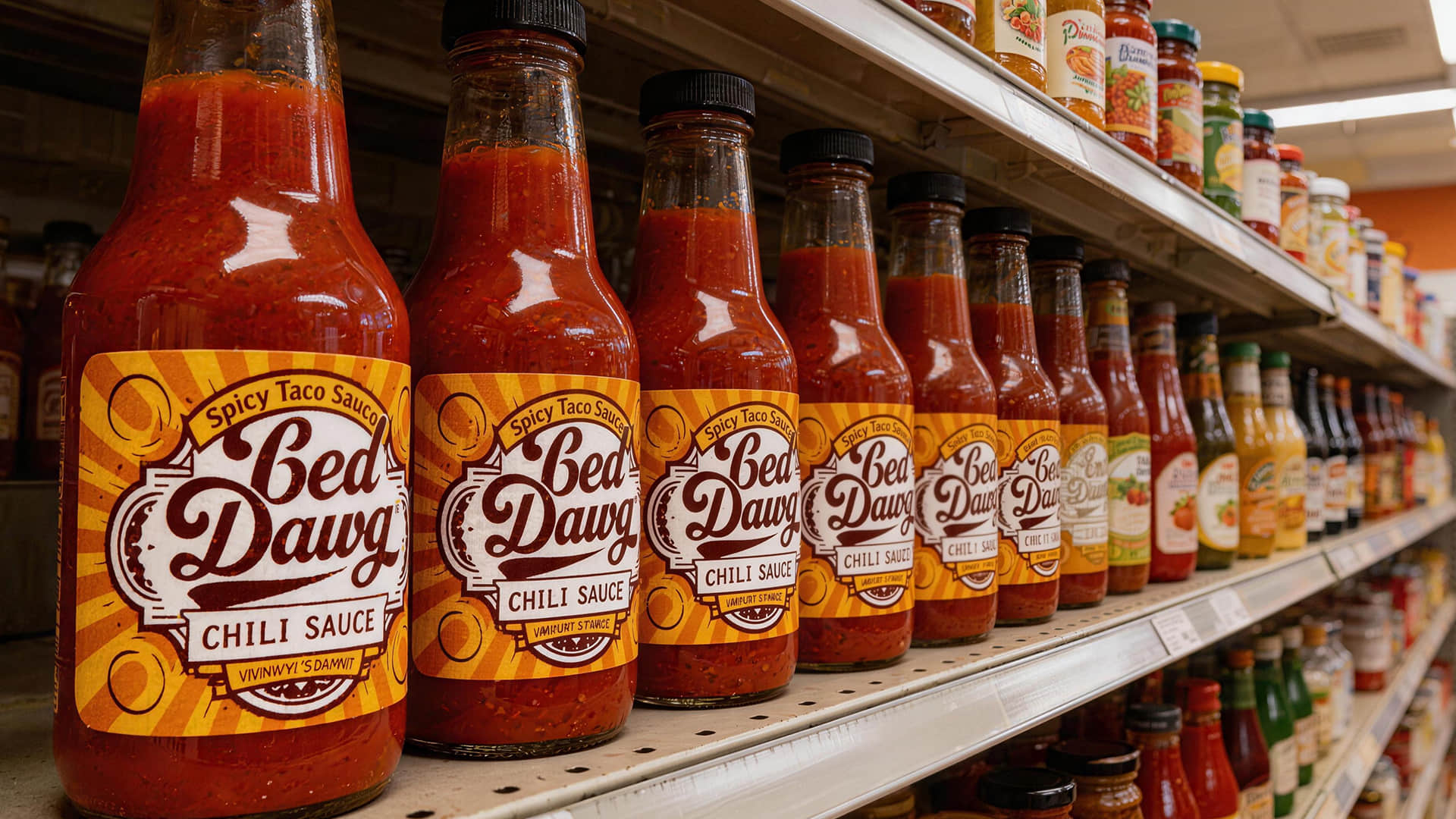
Brand awareness improvement is one of the most direct benefits of premium food label customization. When consumers see the same brand logo, color system, gold foil details and label layout across multiple products, they gradually build brand familiarity and trust. A professionally designed food label does not only decorate a single jar or bottle; it becomes part of the brand’s visual asset system, appearing on product packaging, supermarket shelves, e-commerce images, social media content and gift sets. The combination of gold foil, eco-friendly materials, clear typography and durable performance makes the brand look more established, premium and reliable, which is essential in the highly competitive food market.
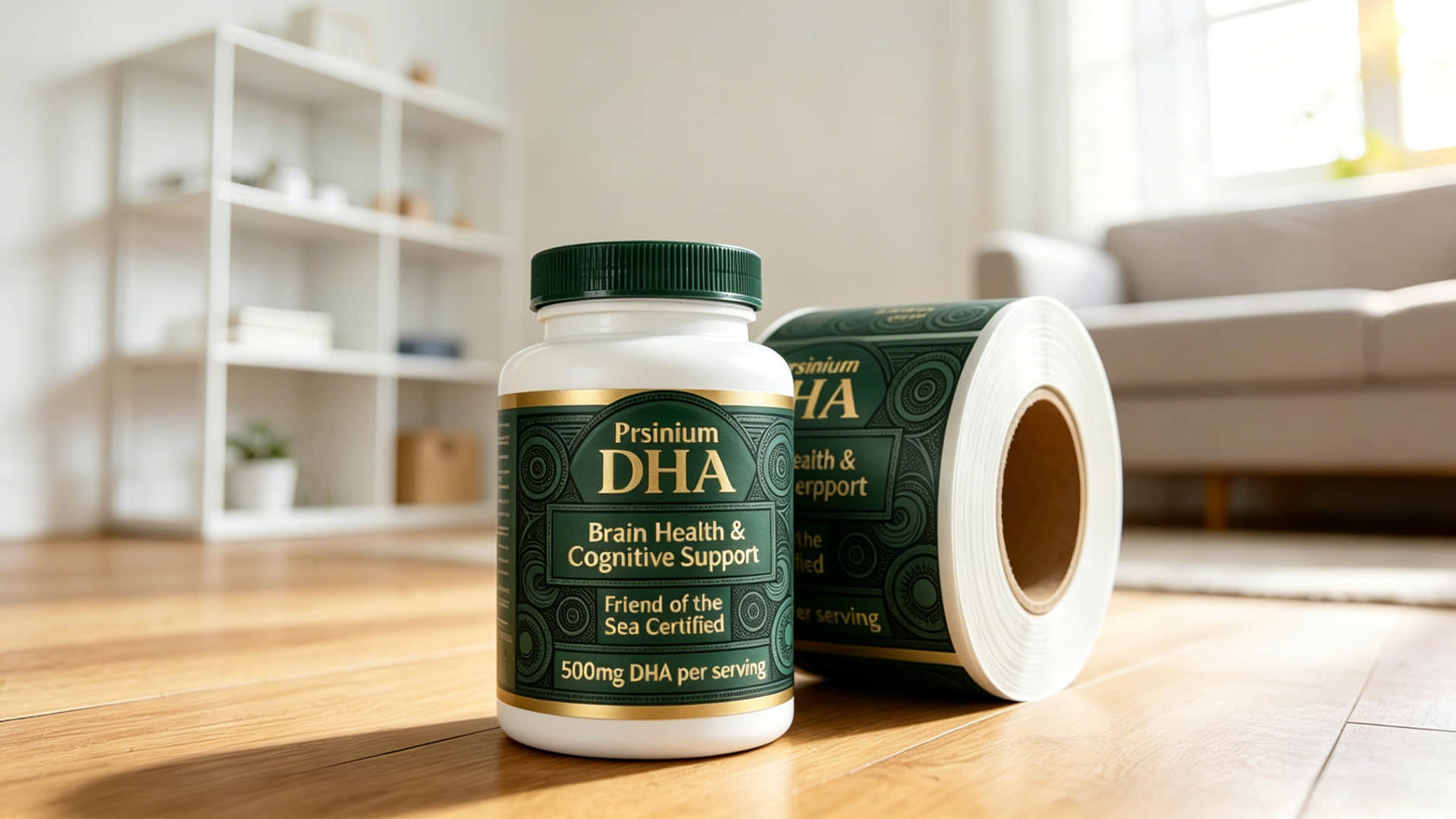
Information expression must also be carefully considered in food label design. A good food label should not only look premium but also clearly communicate essential information, including brand name, product name, ingredients, net content, production date, shelf life, storage conditions, usage suggestions, certification information, warnings and barcode. For food products, regulatory information and readability are especially important. The label must help consumers quickly understand what the product is, what ingredients it contains, how to store it and who produces it. Gold foil and decorative elements should serve the brand image without reducing the readability of important information. A premium food label is not just decorative; it must also support food safety transparency and consumer trust.
Customization allows food brands to create labels that match their unique positioning and product system. Different food categories require different label styles: honey may use warm gold, cream and natural paper textures; chili sauce may use red, yellow, retro illustrations and bold typography; jam may use fruit colors and hand-drawn elements; olive oil may use minimalist typography and natural green tones; and gift food sets may use gold foil, dark colors and premium paper materials. Custom food labels allow brands to choose label size, shape, material, color palette, printing process and finish effect according to specific product lines, so that each product category has its own characteristics while maintaining a unified brand identity.
In conclusion, food labels with gold foil finishes and eco-friendly materials, together with waterproof, oil-resistant and scratch-resistant properties, provide food brands with an effective way to enhance product quality perception and brand awareness. They combine premium visual craftsmanship, environmental responsibility and practical durability, making food packaging look more refined, trustworthy and distinctive. Whether for honey, chili sauce, jam, oil, seasoning, gift food or specialty products, these label solutions can elevate ordinary packaging to a higher brand level. For food brands that want to build a unique market identity, improve shelf impact and increase consumer trust, custom premium food labels are an essential investment in packaging and long-term brand building.