 EN

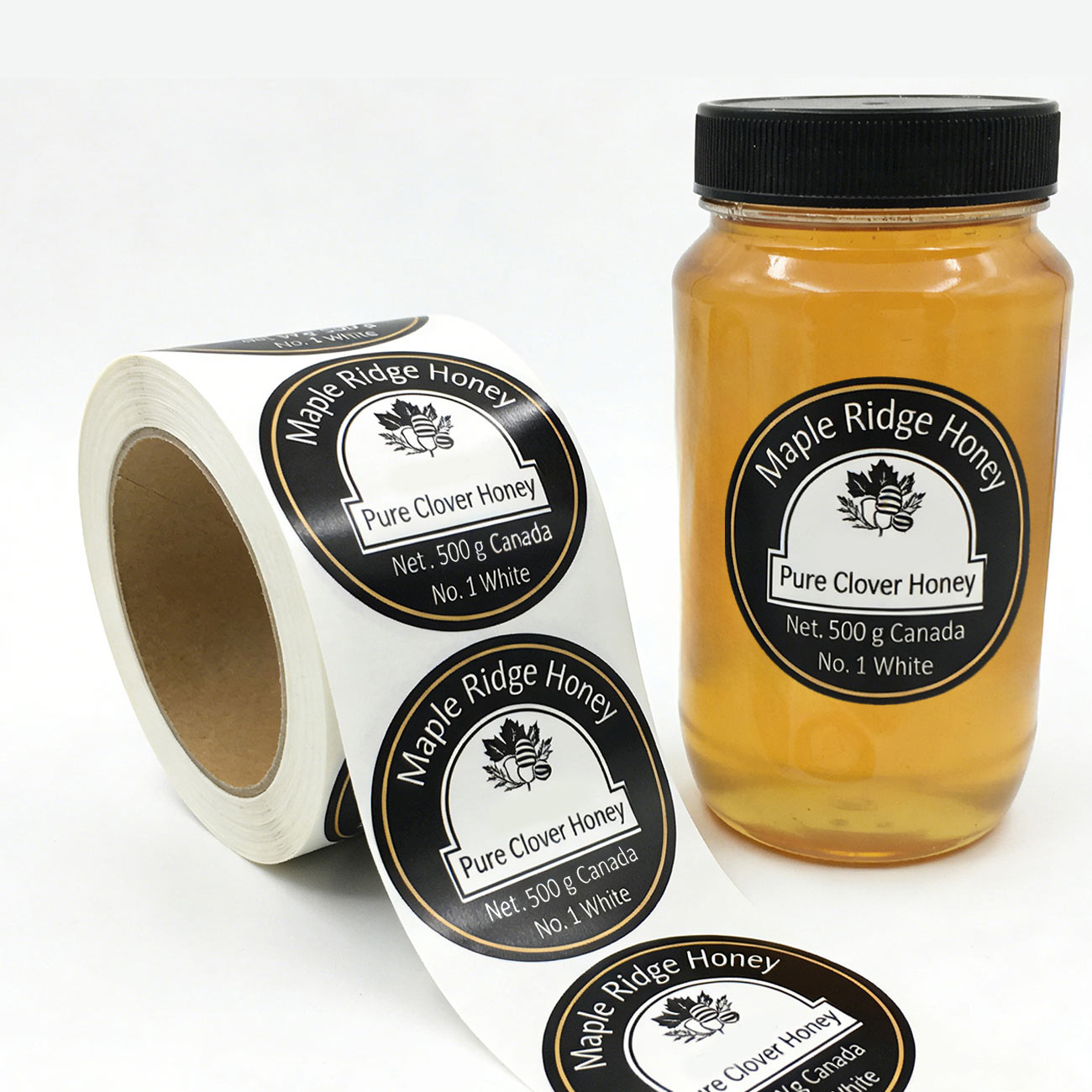
A print label serves as far more than a simple identifier on packaging. It functions as a critical marketing tool, compliance instrument, and quality communicator that directly influences how consumers perceive your product. The right print label improves packaging quality by ensuring clarity, durability, and professional appearance, while simultaneously enhancing product visibility on retail shelves and digital platforms. Understanding how to leverage print label strategies can transform your brand's market presence and customer engagement.
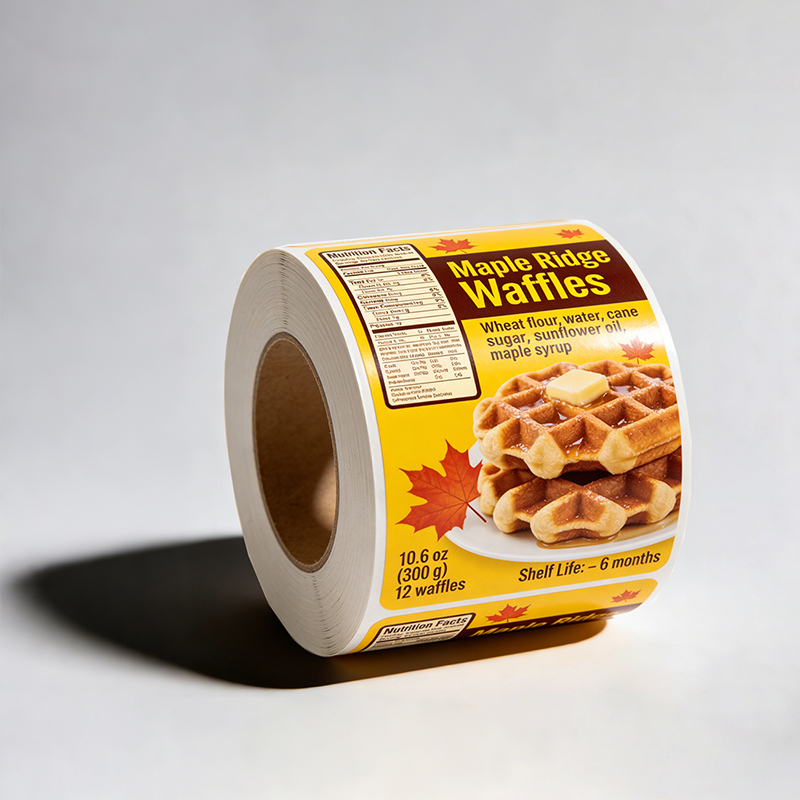
In today's competitive marketplace, packaging serves as your brand's first physical touchpoint with consumers. A well-executed print label communicates product quality, builds trust, and differentiates your offering from competitors. Whether you operate in food, beverage, pharmaceutical, or industrial sectors, the impact of thoughtful label design and production cannot be overstated. This article explores how a print label enhances packaging integrity and visibility while examining the tools and strategies that enable effective label implementation.
The Role of Print Labels in Packaging Quality
Structural Integrity and Durability
A print label must withstand environmental conditions, handling, and storage without degrading. Quality label printing software enables manufacturers to specify materials that resist moisture, temperature fluctuations, and physical wear. When your print label uses appropriate substrates and adhesives, it maintains legibility throughout the product's shelf life and use cycle. This durability directly reflects your commitment to quality and protects brand reputation against damaged or illegible labeling that undermines consumer confidence.
Compliance and Information Accuracy
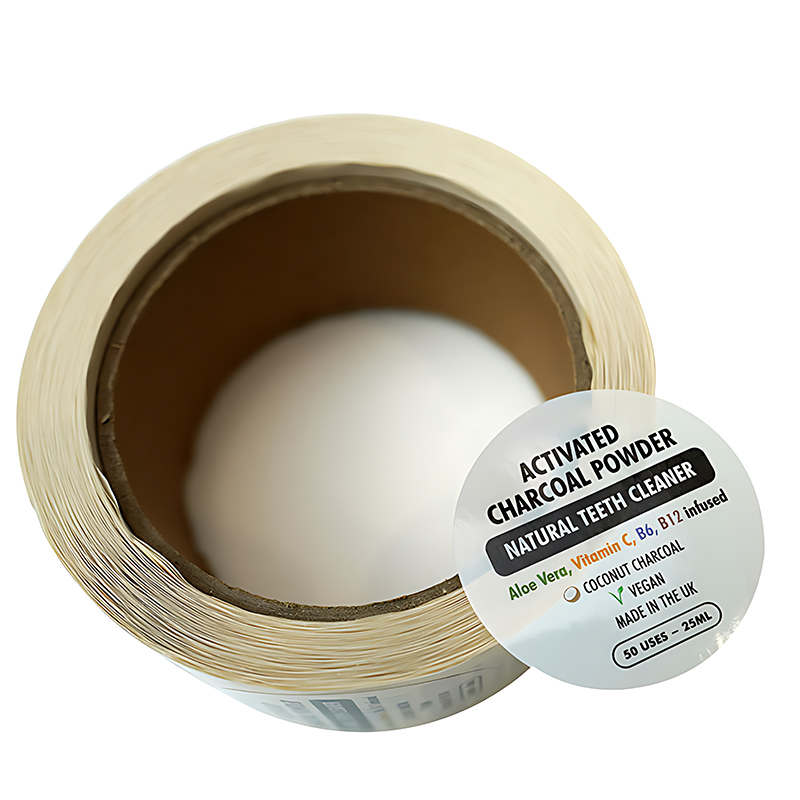
Regulatory requirements demand precise ingredient lists, nutritional information, warnings, and allergen disclosures. A thermal label printer coupled with sophisticated label printing software ensures consistent, accurate reproduction of mandatory content across every unit produced. Printing errors or faded text create legal liability and consumer safety risks. By implementing proper print label production systems, manufacturers guarantee that compliance information remains clear and accessible, protecting both consumers and the business from regulatory violations and recalls.
Enhancing Visual Appeal and Brand Recognition
Strategic Use of Color and Design
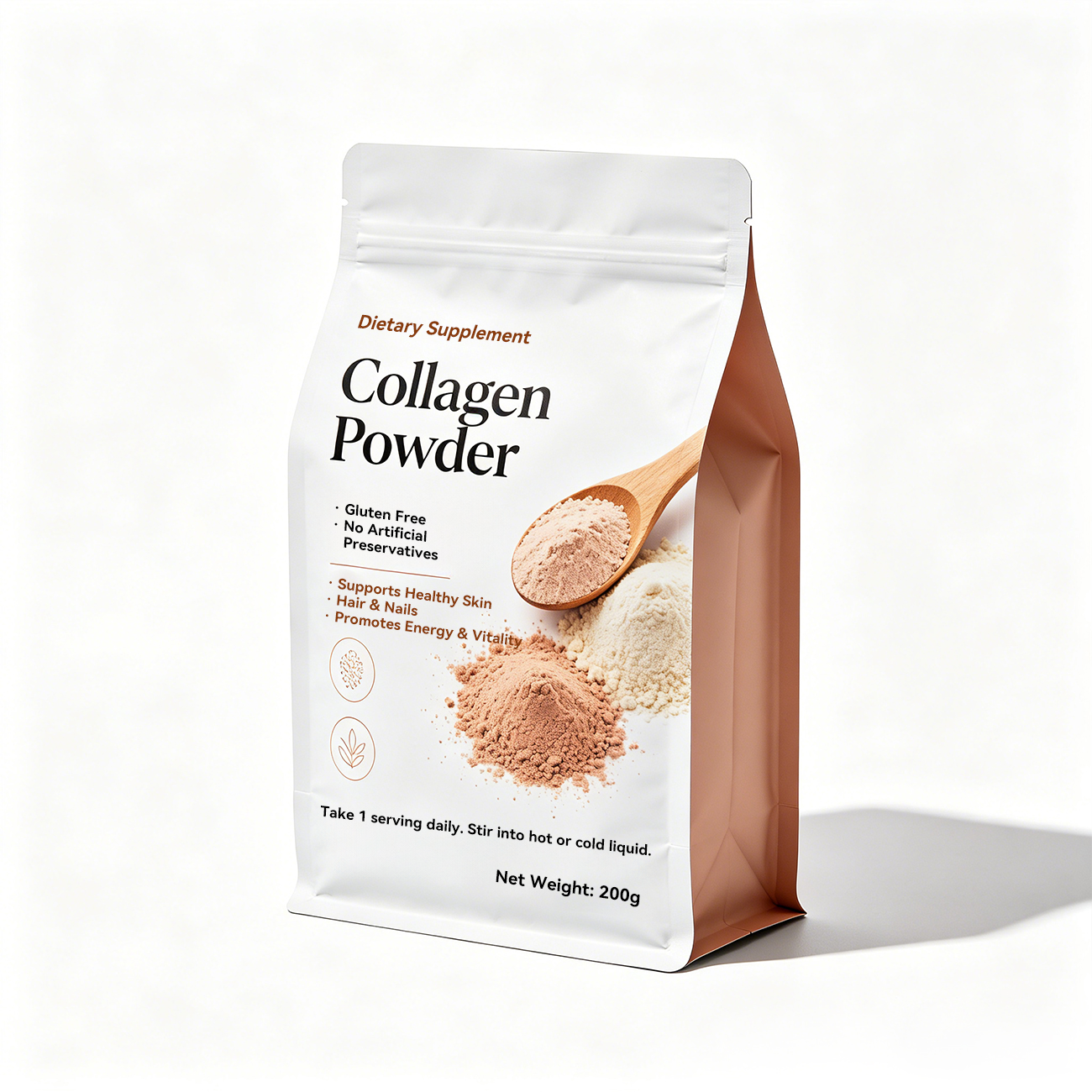
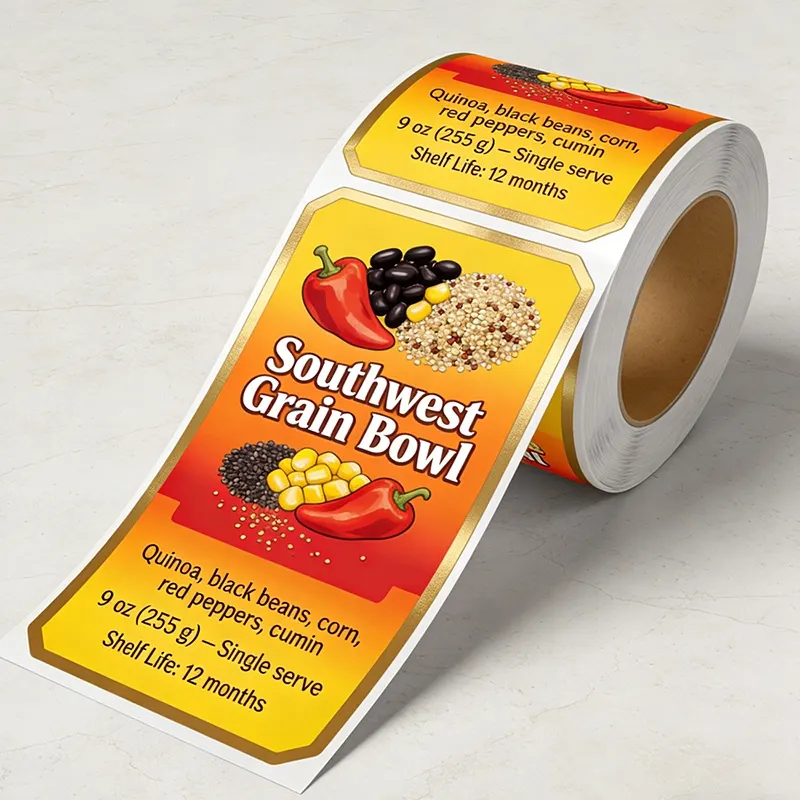
Custom label design transforms packaging from functional to memorable. Colors, typography, imagery, and layout choices influence purchasing decisions within seconds of shelf exposure. A print label featuring cohesive brand elements creates visual consistency across product lines and builds consumer recognition over time. Professional custom label design distinguishes premium products, communicates brand values, and establishes emotional connections with target audiences. When executed effectively, your print label becomes a powerful brand asset that justifies premium positioning and supports pricing strategy.
Visibility in Retail and E-Commerce Environments
On crowded retail shelves, a print label must capture attention through contrast, clarity, and distinctive visual hierarchy. E-commerce product photography demands legibility even in compressed digital formats. Custom label design accounts for these environments by prioritizing readability, visual hierarchy, and brand differentiation. A thermal label printer produces consistent output quality that photographs well and maintains impact across sales channels. This multi-channel visibility ensures your product stands out whether displayed in-store or online, directly influencing conversion rates and market share.
Technical Implementation and Production Efficiency
Label Printing Software Capabilities
Modern label printing software enables variable data printing, allowing manufacturers to produce personalized or batch-specific labels without manual intervention. This technology supports SKU variation, regulatory localization, and promotional messaging while maintaining print consistency. Label printing software integrates with inventory systems, reducing errors and enabling rapid response to market demands. Whether producing small batches for specialty products or high-volume commodity runs, the right software transforms your production workflow, reduces waste, and ensures every print label meets quality standards.
Thermal Label Printer Selection and Optimization
A thermal label printer delivers speed, cost efficiency, and quality suitable for various production scales. Direct thermal and thermal transfer technologies each offer distinct advantages depending on label material, durability requirements, and production volume. Custom label design specifications must account for thermal printer capabilities to ensure your intended design translates accurately to physical output. Proper printer selection, maintenance, and calibration ensure that your print label production remains consistent, reliable, and cost-effective while supporting business growth and seasonal demand fluctuations.
FAQ
How does a print label influence consumer purchasing decisions?
A print label communicates brand identity, product quality, and key benefits within seconds of consumer exposure. Colors, imagery, and typography trigger emotional responses and trust signals that influence purchase intent. When custom label design aligns with target audience preferences and values, your print label becomes a conversion lever that justifies premium pricing and builds long-term brand loyalty. Consistency across labels reinforces brand recognition and supports market positioning.
What features should label printing software include for production efficiency?
Effective label printing software must support variable data printing, integration with ERP systems, design templates, and quality control workflows. The software should enable rapid design changes, batch processing, and regulatory compliance verification. A robust system reduces human error, accelerates time-to-market, and provides audit trails for compliance documentation. These capabilities ensure your print label production scales with business growth while maintaining consistency and quality standards across all product SKUs.
When should a business invest in a thermal label printer versus outsourcing production?
A thermal label printer becomes economically justified when production volumes justify capital investment and when rapid turnaround or customization provides competitive advantage. In-house printing enables quick responses to market changes and reduces dependency on external suppliers. However, outsourcing remains viable for businesses with low volumes, simple designs, or limited capital. Evaluate your custom label design complexity, production frequency, and cost per unit to determine whether internal thermal printing or outsourcing aligns with your business model and financial objectives.