 EN

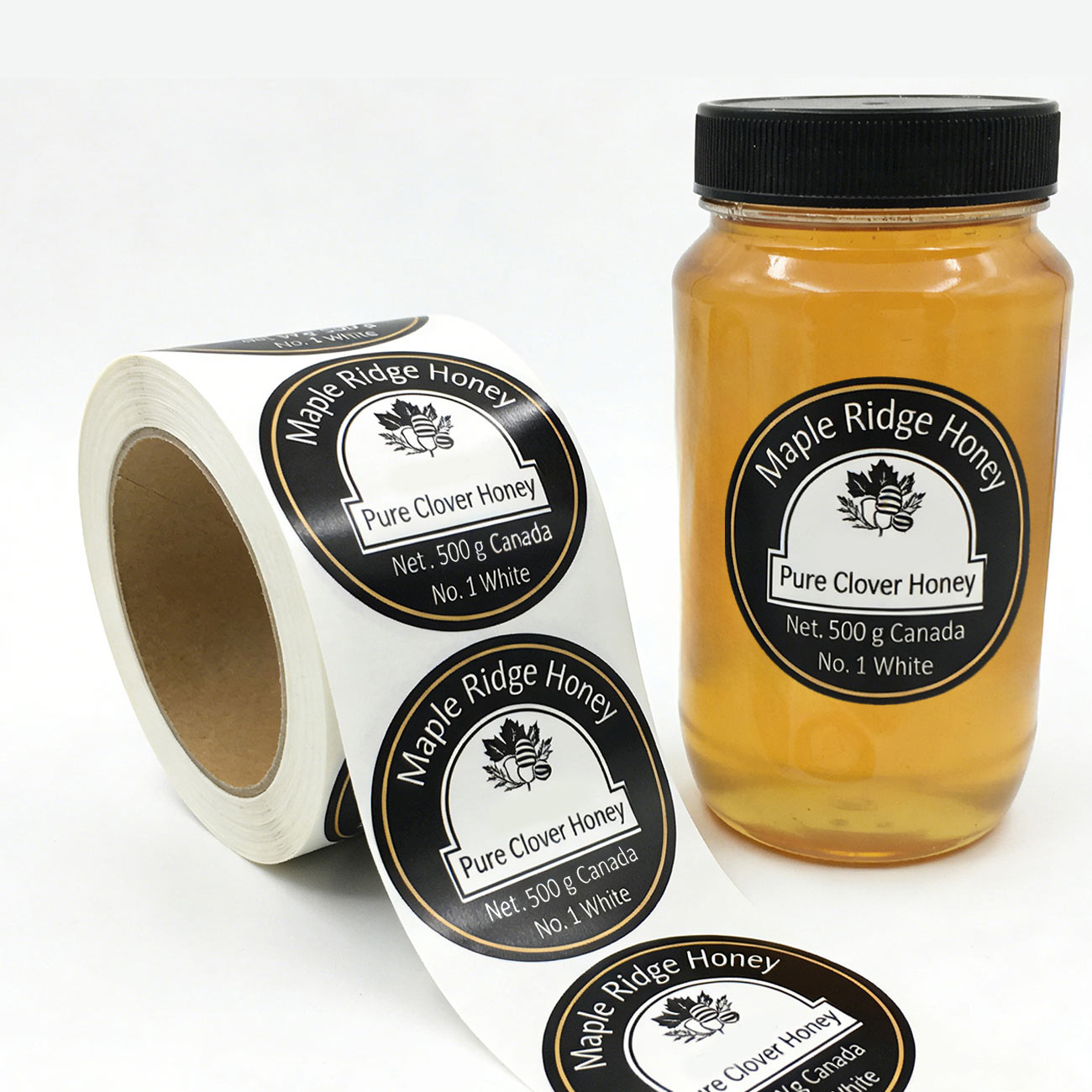
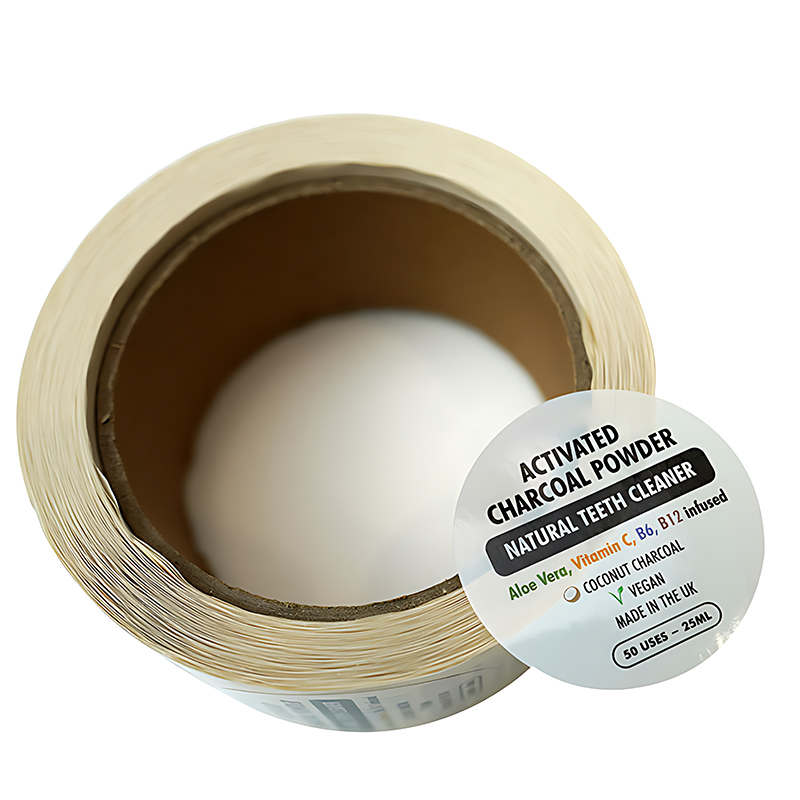
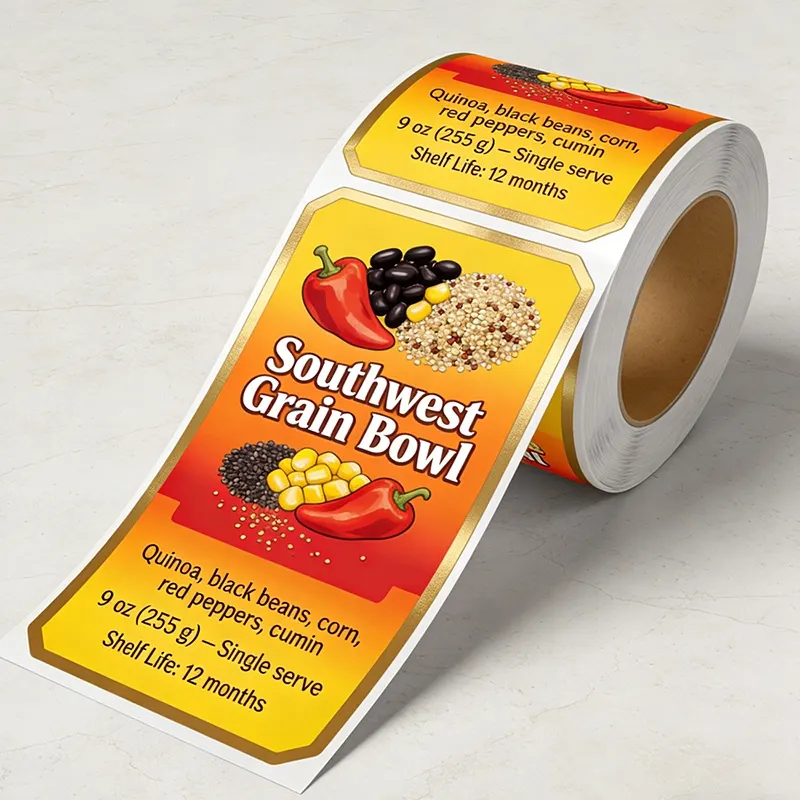
OEM print label services can help a packaging business manage different markets without treating every package as a separate project. The value comes from coordinating artwork, materials, production specifications, and identification requirements around a shared process. A label printing machine and custom label design both matter, but their contribution depends on how well they fit the business’s products and regional needs.
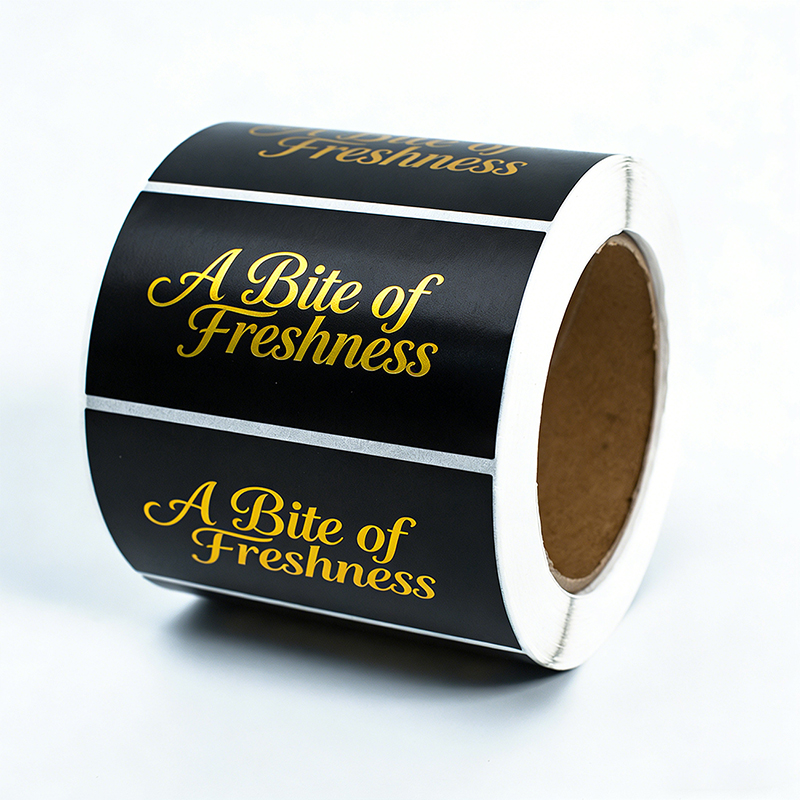
For companies serving several countries, label work must balance consistency with local requirements. OEM coordination can connect packaging teams, production sites, and market-specific content so the finished label is practical to apply and clear to buyers. Barcode label printing also becomes part of this system, supporting identification and data capture alongside brand communication.
How OEM coordination makes packaging scalable
Shared specifications reduce production friction
Global packaging often involves many product variations, production locations, and approval stages. An OEM partner can translate an approved brief into repeatable technical specifications, including dimensions, substrate, adhesive, finish, and print requirements. A label printing machine needs settings that suit those specifications, while custom label design should account for how content fits the physical label.
When specifications are documented clearly, teams have a common reference before production begins. They can check whether barcode label printing remains readable at the planned size and whether the selected material suits the package surface. This reduces avoidable interpretation differences between artwork approval and the manufacturing floor, particularly when several teams handle the same product family.
A useful OEM workflow also records revisions and approved files. If packaging changes, the responsible teams can identify which version applies instead of relying on informal exchanges. The label printing machine can then be prepared against a current production brief, while custom label design changes are reviewed for fit, legibility, and required content.
Flexible artwork supports regional variation
International businesses may need language changes, market-specific symbols, or different legal information without changing the entire brand system. OEM teams can manage those variations within controlled artwork templates. Custom label design can preserve a recognizable visual structure while allowing approved text and layout adjustments for each destination.
Artwork control matters because a small change can affect spacing, hierarchy, or the available area for variable information. A clear approval path helps marketing, compliance, and operations review the right details. Barcode label printing needs particular attention when artwork is resized or repositioned, since the code must remain suitable for scanning in its intended workflow.
A print label program can also connect a central brand standard with local packaging decisions. Rather than making every market improvise, teams define which elements remain fixed and which can change. This gives regional groups a practical route to request adaptations while keeping production files and the label printing machine aligned with approved versions.
How production and traceability requirements fit together
Materials and equipment must match the application
A label’s performance depends on the package, handling environment, and application method. Teams should assess surface shape, expected contact, storage conditions, and the way labels are applied before choosing a construction. A label printing machine must be compatible with the planned format and materials, while barcode label printing should be checked on the actual intended stock.
OEM coordination helps convert those application details into production decisions. Teams can confirm dimensions, roll or sheet format, adhesive needs, and finishing requirements before ordering or scheduling work. Custom label design should respect those constraints rather than treating the label as a flat graphic independent of its packaging context.
A practical review includes a sample or proof where appropriate, followed by checks against the approved brief. The goal is not to assume every label printing machine behaves identically, but to confirm that the selected process produces the required result. Custom label design and material choices can then be adjusted together if a format proves difficult to apply.
Identification data needs a controlled path
Packaging identification may combine product codes, batch details, or other variable information. Barcode label printing should be planned around where a code appears, how it will be scanned, and which data source supplies it. OEM service coordination can clarify ownership of these inputs before a production run is released.
That preparation helps prevent artwork and data from being handled as unrelated tasks. The team can define file formats, validation steps, and change approvals, then confirm the code placement within custom label design. A label printing machine may support the chosen process, but production settings and verification still need to reflect the actual job requirements.
For businesses shipping through different facilities, consistent identification can make handoffs easier to manage. Barcode label printing must match the information systems and scanning practices used at the destination, rather than simply looking correct on screen. A documented process gives teams a way to review errors, trace approved changes, and coordinate later runs.
How to build an effective OEM service relationship
Set the operating brief before artwork begins
Start with the packaging purpose, destination markets, product range, and production context. Clarify who approves claims, translations, codes, and final files, as well as who owns updates when product details change. Custom label design works more smoothly when these responsibilities are established before visual development begins.
The brief should describe expected volumes and variation without assuming that one setup suits every product. Teams can discuss whether a label printing machine is already in use, what formats it accepts, and whether another production route is needed. This makes equipment compatibility part of planning rather than a late-stage correction.
Include barcode label printing requirements in the same brief, including data responsibility, placement limits, and the scanning context. Agreeing these details early gives artwork and operations a shared target. A print label service is most useful when it connects the specification to execution, not when it only receives finished artwork.
Use approvals and feedback to improve repeatability
A controlled approval process should identify the final artwork, production specification, and authorized changes. Teams can review proofs for content, dimensions, color intent, and code placement before release. Barcode label printing may also need a practical scan check, depending on the application and the customer’s operating requirements.
After launch, capture feedback from packaging lines, warehouse staff, and market teams. If labels peel, obscure information, or are difficult to scan, record the conditions and review the relevant specification. Custom label design and material choices may need a coordinated revision instead of a quick isolated change.
OEM services support global packaging best when changes remain traceable and reusable. A label printing machine setup can be documented for repeat jobs, while approved artwork and data rules help prevent unintended variation. This approach lets businesses refine packaging through operational evidence and maintain a clearer link between design decisions and production outcomes.
FAQ
Can OEM services support several regional versions?
Yes. OEM coordination can maintain a shared specification while controlling approved language or regulatory variations. Custom label design should have a clear version and approval process so each market receives the intended file.
Does an existing label printing machine determine the label format?
It is an important input, but not the only one. Confirm machine capabilities alongside packaging materials, application conditions, and data needs before finalizing custom label design or production specifications.
Why include barcode label printing in early planning?
Early planning helps align code data, placement, and scanning use with artwork and production. Barcode label printing should be validated for the intended workflow, rather than added as an afterthought once the package design is complete.